
Medical advances have increased the average life expectancy. By 2050, older people—or those above 60 years—are expected to comprise 22% of the global population, almost twice compared to 2015, according to the World Health Organization. As the population ages, the demand for skilled professionals in the aged care sector is also going through the roof.
If you’re considering a career in this field or looking to advance your current position, now is the right time to prepare. In this article, we’ll explore some of the trends shaping the industry and how you can have a successful aged care career.
The Rising Demand for Aged Care Workers
While the demographic shift is a positive indication, it has also ushered in a new challenge: not all countries can address the complex needs of the aging population.
The healthcare sector is facing labour shortages worldwide, and the aged care industry is no exception. In Australia, for instance, a shortage of 110,000 workers is expected by 2030—on top of the 420,000 people currently employed in the country.
If you’re exploring your career options in this field, knowing the right skills to possess is crucial. For instance, you’ll need empathy, patience, and effective communication to succeed in aged care jobs in Sydney or other cities. These qualities, coupled with a deep understanding of the industry’s evolving landscape, can position you for success.

Technology Adoption
Healthcare technologies have transformed how health services are delivered to patients, and the aged care industry is keeping up with the pace. These tools are transforming how providers care for seniors:
Information and Communication
According to a 2023 survey, about 76% of Americans over 65 years old have smartphones. Unsurprisingly, mobile devices have become an essential tool for providing medical information to older people. Besides accessing health apps, seniors can also use them for telemedicine or allow care providers to access their electronic health records for continuous medical care.
Patient Monitoring
In the past, a patient had to be admitted to a hospital or any medical facility to ensure round-the-clock monitoring. These days, you don’t have to spend thousands to access medical care—thanks to smart home technology, wearables, and sensors that transmit real-time health metrics to your attending physician.
Aged Care Support
Robots are no longer the stuff of sci-fi movies. A few nursing homes and aged care facilities use them to provide companionship and physical support for their residents. Virtual reality systems are likewise utilised among seniors with limited mobility or those who need cognitive and mental health support.
As an aged care support worker, you’ll likely use these cutting-edge tools and systems daily. Considering that technology is always evolving, it’s in your best interest to learn new skills to thrive in this field—making you an invaluable asset to any organisation.

Home and Community Based Care Settings
Not everyone can afford to live in aged care facilities, and some seniors refuse to stay in nursing homes for various reasons—including being transplanted to an unfamiliar place. To address this, some providers are moving away from a traditional set-up, developing hybrid facilities prioritising community-based and home care models.
Besides replicating the look and feel of residential settings, assisted living facilities can craft personalised and flexible services suited to an individual’s needs, similar to home-based care. These can include:
- Family involvement: Empty nesters often feel isolated from their families, affecting their mental health. Aged care facilities can seek active family participation and visits to address this.
- Socialisation: Regular community activities and interactions help reinforce the sense of affiliation and acceptance among the elderly residents.
- Promoting independence: Team members can be trained to assist only when necessary, similar to home-based care.
- Personalised schedules: Facilities can allow residents to set their own routines instead of sticking to rigid organisational schedules.
As more adults choose to age in place, aged care service providers must adjust to fulfil the needs of the changing market. In such settings, a care manager must have adequate healthcare knowledge, possess strong management and organisational skills, and understand the regulatory landscape of home-based care. At the same time, a community support worker must be able to implement specialised programs for individuals and the community effectively.
Person Centred Approaches
Traditional aged care practices are making way for modern approaches that place an individual’s needs at the front and centre of care delivery. This shift has also changed the way workers tackle aged care services.
Besides assisting residents with daily routines, personal care workers must also develop strong interpersonal skills and emotional intelligence to provide quality care. With these, they can fully understand their patient’s unique needs, preferences, and life history for proper emotional and social support.
Specialised Care for Complex Conditions
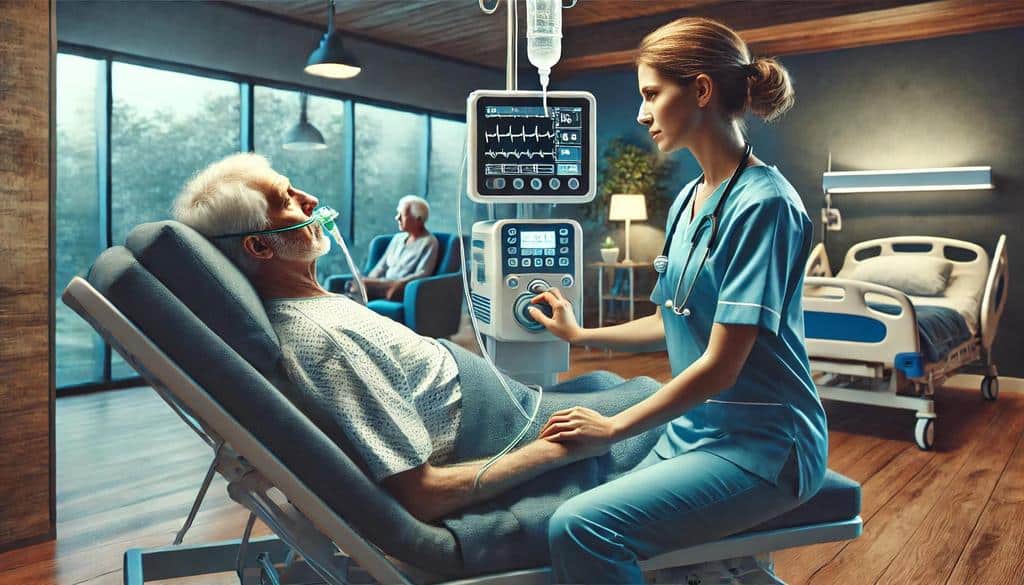
While medical breakthroughs have made it possible to live longer, getting old often means being more vulnerable to certain health conditions—including dementia and advanced stages of chronic diseases. This increases the need for specialised aged care professionals, especially in:
Dementia Care
Recent estimates reveal that over 55 million people are living with dementia, and almost 10 million new cases are added yearly. However, not all aged care facilities offer specialised dementia care. In the United States, for instance, only four per cent of all nursing homes offer exclusive dementia care—even if most providers accommodate between 31% and 80% of patients with this condition.
Palliative Care
Some residents may have a terminal illness and require palliative care. This specialised practice focuses on easing the symptoms and improving the person’s quality of life. Besides pain management, support workers are expected to provide emotional and psychological guidance to residents under their care.
Preparing for these specialised roles means pursuing advanced education or obtaining certifications. Doing so enables you to provide the best care possible for older adults with special needs. More importantly, it increases your chances of having a thriving career in the aged care sector.
A More Collaborative Aged Care Service
Besides age-related diseases, weakened immune systems also drive older adults to have complex health requirements. This will push facilities, including residential aged care homes, to offer a broad range of services to their clients.
As a support worker, you might find yourself working closely with registered nurses or allied health professionals from various fields, like physical therapists, social workers, and sometimes doctors, to provide comprehensive care. An interdisciplinary approach guarantees that all aspects of a senior’s well-being are addressed. Your communication skills and ability to work with a team will come in handy in these environments.

Future of Aged Care Careers: Pathway to Fulfilment and Impact
The future of aged care careers is bright, diverse, and full of opportunities. But before dipping your toes in this field, you must have the inherent passion to enhance a person’s overall well-being and quality of life. Pair this with a commitment to lifelong learning, and you’ll be well-positioned to have a rewarding and successful career in aged care.
As the landscape of aged care continues to evolve, it’s essential to remain adaptable and open to new experiences. Adaptability not only enriches your professional journey but also allows you to make meaningful contributions to the lives of the individuals you serve. By embracing ongoing education and training, you position yourself as a leader within this vital sector, equipped to meet the diverse needs of an aging population. Together, as a community of caregivers, we can redefine what it means to age gracefully, fostering environments that prioritise dignity, respect, and quality of life for all seniors.

