
Small moisture clues can signal deeper issues behind walls, floors, or ceilings. Families gain stronger peace of mind when they understand how to identify these signs early. Comfort, structure, and daily convenience all improve once households recognize the subtle indicators that hint at trouble.
Early support from experts who handle leak detection in Quincy helps residents act confidently. Patterns across Quincy homes reveal how minor issues progress, so timely attention protects long-term stability.
Wall Marks That Indicate Interior Moisture
Wall discoloration stands out as one of the earliest and clearest signals of moisture intrusion. Homes in Quincy show faint brown or yellow patches when water seeps behind drywall. A small mark may look harmless; however, it points to a slow leak that spreads quietly. A gentle press reveals softness or temperature changes that confirm deeper concerns. Therefore, families avoid further damage by seeking help before the stain expands across adjoining surfaces.

Soft Spots That Form Beneath Flooring
Soft or uneven flooring suggests that moisture has reached the sublayer. Households in Quincy discover this issue in kitchens, bathrooms, or entry areas with regular water use. A single soft patch indicates that liquid has been absorbed into wood or composite panels. The change becomes more noticeable as footsteps sink slightly. This sign also highlights the need for a structural check. Hence, early action stops the weakness from expanding across wider areas.
Ceiling Rings That Reveal Hidden Drips
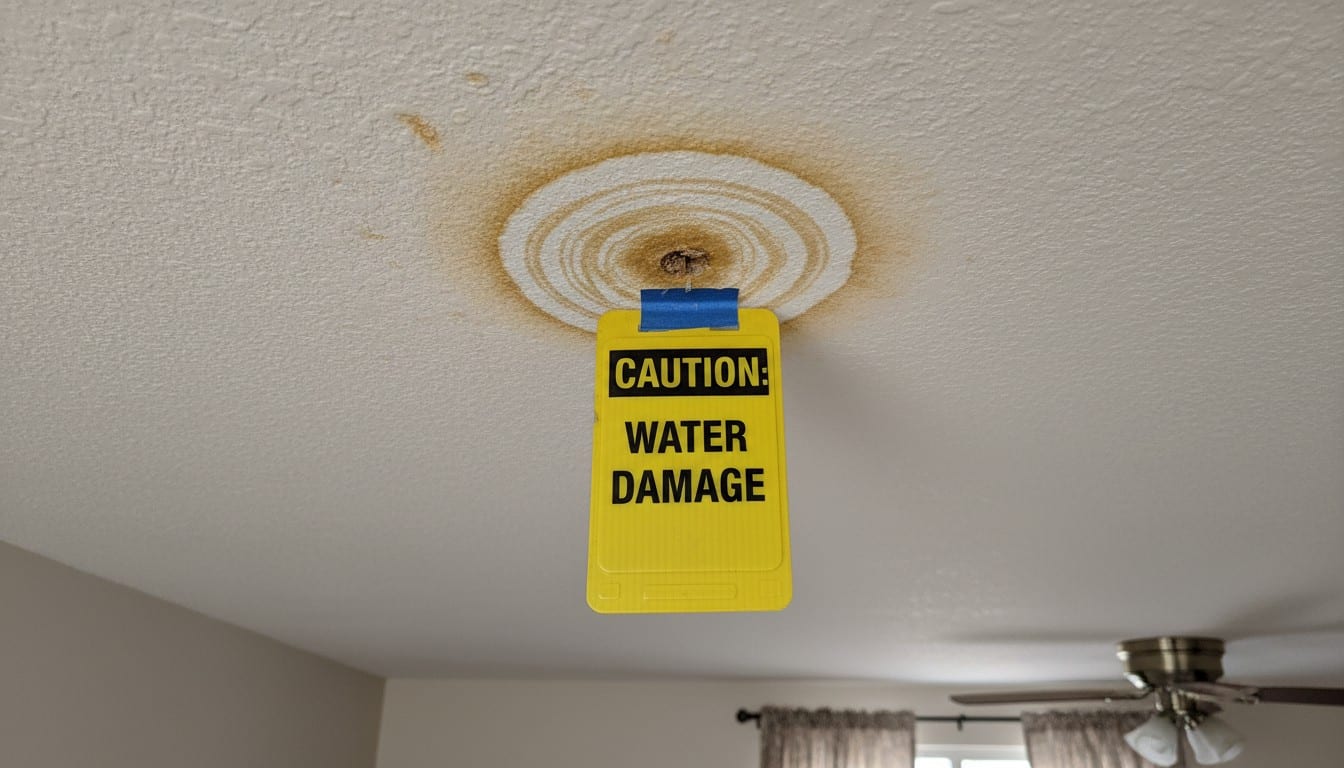
Ceiling rings appear when water accumulates above the surface, gradually marking the area. Residents in Quincy notice these circles after storms or heating system issues. A light ring means moisture has traveled through insulation or framing. A sagging section signals a more advanced problem that requires immediate attention. Therefore, families gain clarity by inspecting the source instead of repainting the spot. This clue also helps professionals identify the exact path of the leak.
Musty Smells That Point to Moisture Traps
A musty odor in small spaces signals moisture that has settled out of sight. Quincy homes experience this scent in closets, basements, or interior corners with limited airflow. The smell indicates material saturation, which allows microbial activity to start forming. This clue often appears before any visible mark. However, following proper moisture control strategies can help families identify issues through scent changes. Hence, simple ventilation or professional reviews prevent larger complications from developing.
Peeling Paint That Signals Pressure Behind Walls
Paint that peels or bubbles suggests water pushing forward from behind the surface. Families in Quincy recognize this issue in bathrooms, kitchens, and near exterior walls. Moisture affects how the paint adheres, so the layer lifts as internal pressure rises. A quick inspection of adjacent areas reveals dampness or cool patches. Therefore, this sign becomes a reliable indicator of hidden trouble. Also, early correction saves households from costly wall replacements.
Darkened Grout That Absorbs Water
Grout that darkens over time signals absorption rather than simple surface dirt. Homes across Quincy show this clue in showers, tile floors, and backsplash areas. The color shift indicates that moisture has entered the material and may be spreading to the layers below. A surface clean does not correct the issue; however, sealing and targeted repairs help protect surrounding tiles. Therefore, families use this clue to address water penetration early.
Unusual Sounds That Suggest Internal Leaks
Drips, trickles, or faint tapping sounds point to water movement inside walls or ceilings. Residents in Quincy hear these noises during quiet hours, so the clues become easier to identify. A steady sound pattern suggests a continuous leak rather than a temporary fluctuation. Early detection through sound also reduces the need for invasive inspections. This is where specialists in leak detection in Quincy confirm the exact origin with precision.
Families in Quincy maintain safer, healthier homes by recognizing moisture signals early. Each small clue—marks, odors, texture changes, or sounds—guides timely action before larger issues appear. A clear understanding of these signs protects structural surfaces, improves comfort, and reduces long-term expenses. Households gain confidence by acting promptly and planning regular checks. Early awareness keeps homes strong and dependable throughout every season.

