
In the constant push of daily life, it is easy to deprioritize mental wellness. We often treat our mental health as an optional luxury, only addressing it when we are in crisis. Prioritizing mental health recovery, however, is not a selfish act or a sign of weakness; it is the most critical investment we can make in ourselves, our families, and our workplaces. It is the foundational work that allows everything else to function.
This article examines mental health recovery as a communal discourse, transcending individual coping strategies. We will discuss how to build a personal foundation for sustainable well-being while fostering a supportive ecosystem. From setting boundaries to advocating for change, recovery becomes a shared effort that builds collective strength and resilience.

What is True Mental Health Recovery?
Moving Beyond Symptom Management to Flourishing
True mental health recovery involves more than easing symptoms like anxiety or low mood; it is about building a life where you thrive. Symptom management is the necessary foundation, but true flourishing involves adding meaningful activities, goals, and connections.
The Substance Abuse and Mental Health Services Administration outlines eight areas of wellness: emotional, physical, social, spiritual, intellectual, financial, occupational, and environmental.
In recovery, you work on these to gain strength. Resilience grows by navigating setbacks. Purpose comes from achieving small, meaningful goals. Connections with others provide essential support and perspective.
For example, someone recovering from depression might start a hobby club. This boosts social ties and gives a sense of achievement. Data from the National Alliance on Mental Illness shows that people in active mental health recovery report higher life satisfaction when they focus on these dimensions of wellness.
The Stigma Barrier: How External Perceptions Hinder Internal Progress
Mental health stigma creates a significant barrier to recovery. People fear judgment and keep quiet about their needs, which obscures the recovery process and slows healing.
At work, supervisors might perceive time off for therapy as a weakness. Friends may pull away if they feel overwhelmed by the discussion. A study by the American Psychological Association found that 60% of adults avoid seeking help due to stigma fears, which leads to skipped appointments and half-hearted efforts.
Social views make folks doubt their progress. You might push through a bad day to “prove” you are fine, an impulse that ignores the real toll. Breaking mental health stigma starts with small conversations that normalize recovery. Resources from organizations like Alliance Recovery provide a starting point.
Recognizing Signs that Recovery Needs to Be a Priority
Your body and mind send clear signals when recovery slips down the list. Key signs include:
- Rising worry that disrupts sleep.
- Burnout that hits with constant fatigue, even after rest.
- Old habits creeping back, like avoiding friends or snapping at small things.
Signals like these indicate your limits are crossed. Pause and check in by asking yourself:
- Am I forcing smiles while feeling empty?
- Has joy faded from daily tasks?
To self-audit, track your week in a simple journal by noting energy levels and rating your mood on a scale of 1 to 10 daily; if patterns show overload, adjust right away. Identifying these signs early helps maintain recovery momentum.

Building Your Foundation for Sustainable Recovery
Establishing Non-Negotiable Self-Care Boundaries
Self-care boundaries are essential for protecting your energy and time. Establish clear actions to firmly set these boundaries around your time:
- Say no to extra shifts when you need quiet evenings.
- Limit your availability.
- Turn off notifications after 8 PM.
Productive rest, which beats mindless scrolling, can include:
- A walk in fresh air.
- Reading a book that calms you.
- Digital boundaries, such as designating phone-free zones during meals.
Start small. Pick one boundary today, like no work emails at dinner. Stick to it for a week to feel a tangible reduction in stress.
Integrating Evidence-Based Tools into Daily Life
Evidence-based tools are most effective at supporting recovery when integrated consistently into daily life.
Mindfulness, for example, quiets racing thoughts with short breathing exercises. Try apps that guide you for five minutes a day.
Schedule therapy like any key meeting. Block time in your calendar. Sleep rules matter—aim for seven hours with a wind-down routine and no screens an hour before bed.
Consistency wins over big efforts, a fact supported by a Harvard study linking regular mindfulness to lower stress in 70% of users. Build these habits one at a time until they feel natural.
- Wake up and breathe deeply for two minutes.
- Plan one fun activity weekly.
- End days with gratitude notes.
The Role of Medication Adherence and Professional Partnership
Medications or treatments work best when you collaborate with your doctor; see it as a partnership, not as top-down orders. Share what is tough, like side effects that drain you or costs that add worry.
Open discussions lead to adjustments that fit your life, such as switching medication times or finding patient assistance programs. The World Health Organization notes that good doctor-patient bonds boost adherence by 50%.
Track your meds with a simple app or pillbox. Note how you feel each day. This information helps your provider adjust your treatment plan. You are an active partner in your recovery path.

Fostering a Supportive Community Mental Health Ecosystem
Creating Safe Spaces: From Peer Groups to Workplace Allies
Safe spaces allow you to open up without fear. Peer support groups offer shared experiences from others on a similar journey. Online forums can provide connection when in-person meetings are difficult.
Workplaces can also contribute. Companies that offer mental health days report happier teams, and one program in Seattle cut turnover by 20% by implementing an ally training program. You can build these spaces methodically. Start a local meetup at a park with a clear rule: listen without offering solutions. These judgment-free zones are crucial for healing.
Educating Loved Ones: Moving from Sympathy to Active Support
Family and friends want to help but often miss how, so guide them with clear words. Say, “I need space some days, not questions.”
Teach what to avoid: phrases like “Just cheer up” hurt more than help. Instead, suggest rides to sessions or quiet company.
For supporters:
- Offer specific aid, like meal prep.
- Check in weekly, not daily.
- Learn basics from free online resources.
This approach shifts the dynamic from pity to real backing, which helps bonds grow stronger.
Advocating for Systemic Change in Local Structures
Communities need systemic changes, such as advocating for more counselors in libraries or organizing local drives for free stress-management classes.
In one town, residents successfully lobbied for a mental health fund that funded hotlines and events, a success that came from group letters to leaders.
Join or start petitions. Share facts: untreated issues cost billions yearly, per CDC data. Your voice, joined with others, helps shape better community mental health systems.
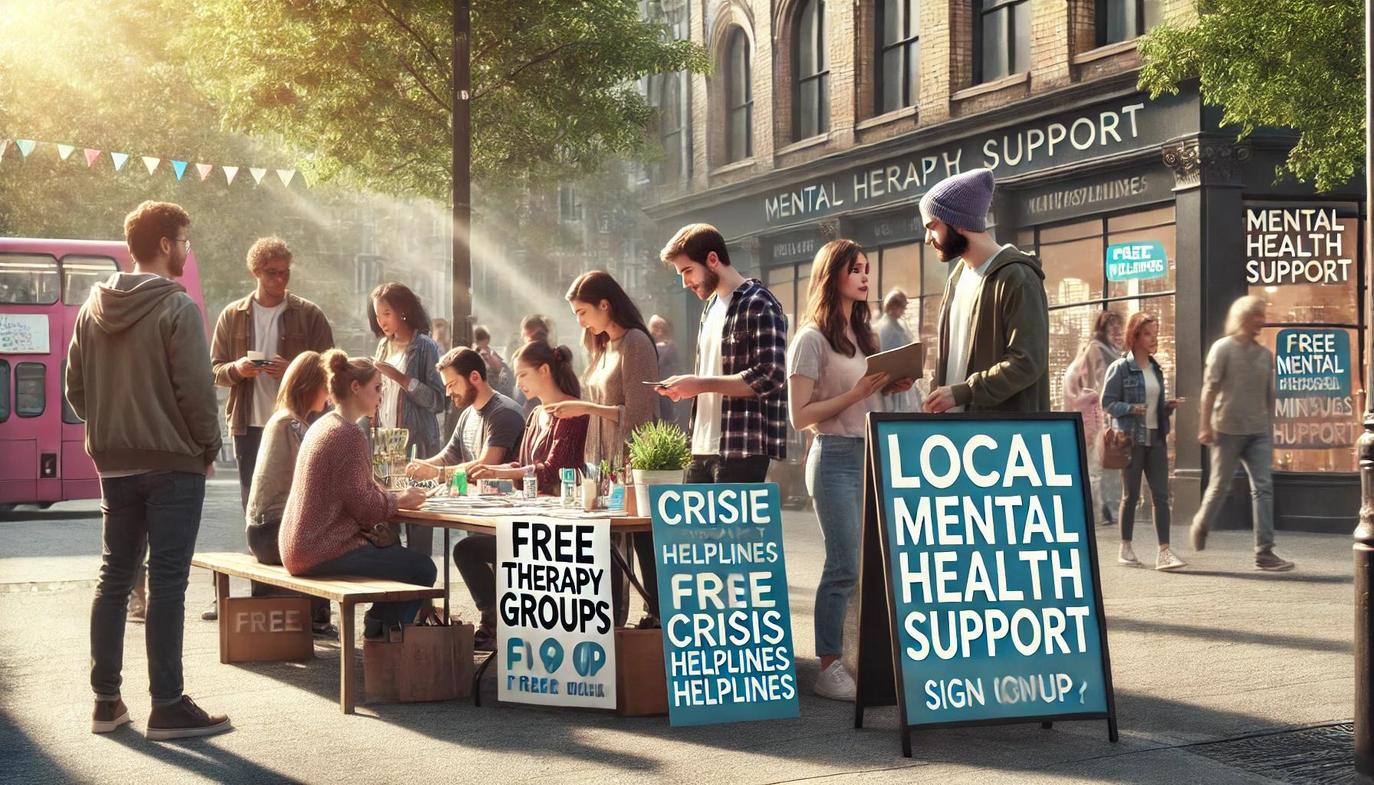
How to Activate Community Mental Health Support
Identifying and Leveraging Local Recovery Resources
Local recovery resources are often accessible through a quick search. Community clinics may offer sliding-fee therapy, and free peer support groups often meet at community centers, churches, or online.
Crisis lines like the 988 Suicide & Crisis Lifeline offer 24/7 confidential support. Vet options with this checklist:
- Check reviews from real users.
- Ask about group sizes and rules.
- Confirm costs and privacy.
A single inquiry can connect you to resources like guided walks or art therapy. Use these resources often for steady support.
The Power of Reciprocity: Giving Back as a Recovery Tool
Helping others cements your gains; for example, volunteering at a hotline after you are stable can reinforce your progress and provide a new perspective.
It is vital to maintain boundaries, such as saying no if your energy is low. Ethical volunteering means not giving advice beyond your experience; proper training is often available through local organizations.
Studies indicate that mentors often feel more hope. Sharing your story wisely can be a powerful tool for mutual growth.
Making Mental Health Visibility an Ongoing Community Norm
Talks about recovery should feel everyday, which you can encourage by posting flyers for wellness fairs or having local heroes share quick tales at events.
Run monthly chats at cafes. Themes like “Boundaries in Busy Lives” often attract strong attendance. Social media boosts reach—use hashtags like #RecoveryTalks.
Even informal conversations matter; sharing personal stories encourages others to do the same, and community norms begin to shift as visibility becomes consistent.

Your Role in a Healthier Community
A foundation for sustainable well-being begins with individual commitment. When you prioritize mental health recovery, you are not just managing symptoms; you are actively constructing a life of purpose and resilience. This process, built on non-negotiable self-care boundaries, professional partnerships, and consistent self-auditing, is the most critical work you can do.
That individual strength then becomes a vital thread in the community’s support network. A thriving life requires connection and support. By fostering peer support groups, educating loved ones, and advocating for systemic change, we create an ecosystem of community mental health support where everyone has the opportunity to thrive. Prioritizing your own recovery is a foundational act in building a stronger, more connected community for all.
Your Questions on Mental Health Recovery Answered
What is the Difference Between Symptom Management and Recovery?
Symptom management focuses on reducing immediate distress, like anxiety or low mood. True mental health recovery is a much broader process of building a fulfilling life. It involves working on all eight areas of wellness, such as your social, occupational, and physical health, to flourish.
How can I Set Self-Care Boundaries without Feeling Guilty?
Start small with one clear, manageable boundary, such as not checking work emails after 8 p.m. Communicate this boundary calmly and firmly, and remember that protecting your energy is not selfish—it is essential for your long-term health and your ability to support others.
What is a Peer Support Group?
A peer support group is a safe space where individuals with similar mental health experiences can connect. These groups, which can be in-person or online, allow you to share stories, offer encouragement, and open up without fear of judgment, reminding you that you are not alone.
How can I Help a Loved One Without Overstepping?
Active support is more effective than sympathy. Instead of offering vague phrases like “Just cheer up,” offer specific, practical help, such as a ride to a therapy session or assistance with meal prep. Ask them what kind of support they need, and respect their boundaries.

