
Mixed-use developments are changing how cities grow and thrive. By blending homes, offices, stores, and leisure spaces in one area, these projects are modernizing urban life. They offer a fresh approach to city planning that makes neighborhoods more lively, connected, and sustainable. In this article, we explore what mixed-use developments are, why they matter, and how they are shaping the future of cities. The highlights comprise key mixed-use development trends that drive innovation and community well-being.
What Are Mixed-Use Developments?
Mixed-use developments bring together several functions in one space. Instead of separating residential areas from business districts and retail hubs, these projects combine them. You might find apartments stacked above shops or offices next to cafes. This close proximity makes it easier for people to live, work, and play in the same area.
Key Elements Include:
- Residential Areas: Apartments and condos that offer living spaces close to everyday amenities.
- Commercial Spaces: Shops, restaurants, and cafes that provide essential goods and services.
- Office Spaces: Work areas that support local businesses and startups.
- Community Facilities: Parks, plazas, and recreational zones that encourage social interaction.
This integrated approach helps reduce travel time, encourages walking and cycling, and creates vibrant neighborhoods that cater to a range of lifestyles.

Benefits of Mixed-Use Developments
Mixed-use developments bring many advantages to modern cities. Their impact extends beyond convenience; they also play a role in boosting the local economy and enhancing community life.
Enhanced Convenience
Living near work, shopping, and entertainment reduces the need for long commutes. Residents enjoy easier access to daily necessities, which can lead to:
- Time Savings: Less time spent traveling means more time for family, work, and leisure.
- Reduced Stress: Fewer long trips help lower stress and promote a healthier lifestyle.
- Energy Efficiency: Less reliance on vehicles contributes to lower energy consumption and reduced emissions.
Stronger Community Ties
These developments encourage social interaction. When people share spaces, they have more opportunities to connect and collaborate. Some of the community benefits include:
- Social Hubs: Shared spaces like community centers and parks offer places to meet and build relationships.
- Cultural Exchange: Mixed communities bring together diverse groups, enriching local culture.
- Support Networks: Neighbors who live close to one another often form strong, supportive bonds.
Economic Boost
Mixed-use projects can be a boon for local economies. They attract businesses and create job opportunities, leading to
- Job Creation: New retail outlets, offices, and services mean more employment opportunities.
- Local Investment: As neighborhoods become more attractive, property values and local investments tend to rise.
- Business Growth: Startups and small businesses benefit from high foot traffic and a built-in customer base.
Enhanced Environmental Sustainability and Flexibility
Mixed-use developments play a crucial role in promoting environmental sustainability by minimizing the need for long-distance travel and encouraging the use of local services. These projects are thoughtfully designed to adapt to evolving urban needs, providing flexible solutions that support future growth and development. By integrating residential, commercial, and recreational spaces, mixed-use environments not only foster convenience but also enhance the quality of life for residents while safeguarding the planet.

Mixed-Use Development Trends
Modern mixed-use development trends are setting the stage for the cities of tomorrow. These trends focus on sustainability, technology, and inclusivity.
Sustainability Focus
- Green Design: New projects are built with energy-efficient materials and sustainable building practices. The inclusion of green spaces and renewable energy sources helps reduce the overall carbon footprint.
- Eco-Friendly Infrastructure: Developers are incorporating features like rainwater harvesting and solar panels, ensuring that these spaces are kind to the environment.
Smart Technology Integration
- Connected Communities: The use of smart sensors, automated lighting, and energy management systems helps create efficient and secure environments.
- Data-Driven Management: Real-time data collection allows for better maintenance and quicker response times to community needs.
Affordable and Inclusive Housing
- Diverse Options: With rising urban populations, many developments now include affordable housing. This ensures that people from different income levels can enjoy the benefits of living in vibrant, mixed-use areas.
- Community-Oriented Design: Planners are designing spaces that are accessible and welcoming to all, making sure that no one is left behind.
Walkable and Bike-Friendly Spaces
- Active Lifestyles: Emphasis on walkable streets and bike lanes encourages residents to stay active and reduces the reliance on cars.
- Improved Safety: Pedestrian-friendly designs contribute to safer, more secure neighborhoods.
Innovative Community Spaces
Modern developments often feature creative public spaces that bring people together. These include:
- Outdoor Plazas and Markets: Areas where local vendors and artisans can showcase their work.
- Recreational Zones: Spaces designed for leisure activities that foster community interaction.
- Cultural Centers: Venues that celebrate local art, history, and traditions.

Impact on Community and Local Economy
Mixed-use developments have far-reaching effects on both the community and the local economy. They serve as hubs of activity that stimulate growth and nurture strong community bonds.
Economic Advantages
- Boosted Local Businesses: The proximity of residential and commercial spaces creates a ready customer base, leading to more vibrant local businesses.
- Increased Property Values: As mixed-use neighborhoods become more popular, property values tend to rise, benefiting homeowners and investors alike.
- Job Opportunities: From construction to retail, these developments generate a range of job opportunities that support economic stability.
Social and Community Benefits
- Enhanced Public Services: Concentrated populations in mixed-use areas allow cities to deliver services like public transport and security more efficiently.
- Inclusive Urban Living: With housing, work, and leisure all in one area, mixed-use developments foster an environment where residents of different backgrounds can thrive together.
- Community Engagement: Regular social events and shared spaces create a sense of belonging and pride among residents.

Overcoming Challenges in Mixed-Use Developments
Despite their numerous benefits, mixed-use developments present challenges that demand careful planning and effective management. Successfully addressing these hurdles is essential for maximizing the potential of these projects and ensuring long-term success within urban environments.
Regulatory and Planning Hurdles
- Zoning Complexities: Local regulations sometimes hinder the integration of different uses. Navigating these rules can be challenging for developers.
- Approval Processes: Getting all the necessary permits and approvals may take time, delaying the project.
Financial Considerations
- High Initial Costs: The investment required for mixed-use projects can be steep. Integrating multiple functions in one space demands careful financial planning.
- Risk Management: There is always a risk that the project might not meet the expected demand, leading to financial losses.
Community Resistance
- Neighborhood Changes: Long-time residents may be hesitant about changes to their community, fearing loss of character or increased costs.
- Gentrification Risks: Lower-income residents may find themselves priced out of their neighborhoods as areas become more desirable.
Operational Complexity
- Management Challenges: Running a mixed-use development requires coordinated efforts among different stakeholders. This can include managing diverse services, ensuring smooth operations, and maintaining a harmonious environment.
- Balancing Interests: It can be difficult to balance the needs of residential, commercial, and public spaces within one project.

The Promising Future of Modernizing Urban Development
The future of urban development shines brightly, with mixed-use projects at the forefront. As cities evolve, these developments are poised to significantly influence the design and functionality of modern urban landscapes.
Embracing Innovation
- Technology-Driven Solutions: Future projects will likely rely even more on smart technologies. From automated services to advanced building management systems, these innovations will make mixed-use spaces more efficient.
- Sustainable Practices: With increasing awareness about climate change, there will be a greater focus on green design and renewable energy. Developers are set to integrate eco-friendly solutions in every aspect of their projects.
Fostering Inclusive Communities
- Broadening Access: Urban planners are working to ensure that mixed-use developments cater to all residents. By offering a mix of affordable housing and premium options, cities can become more inclusive.
- Community Participation: Engaging local residents in the planning process is vital. This collaboration helps ensure that the developments truly reflect the needs and aspirations of the community.
Shaping the Modern Cityscape
Mixed-use developments are more than a trend—they are a blueprint for modern city living. As urban populations grow, these projects will continue to evolve, providing adaptable solutions that meet the demands of a dynamic world. By keeping pace with mixed-use development trends, cities can build environments that are both efficient and welcoming.
Innovative urban planners are already exploring new ways to merge functionality with aesthetics, ensuring that these spaces are not only practical but also beautiful and inspiring. As mixed-use developments expand, they will likely set new standards in urban living, making cities more resilient and prepared for the future.
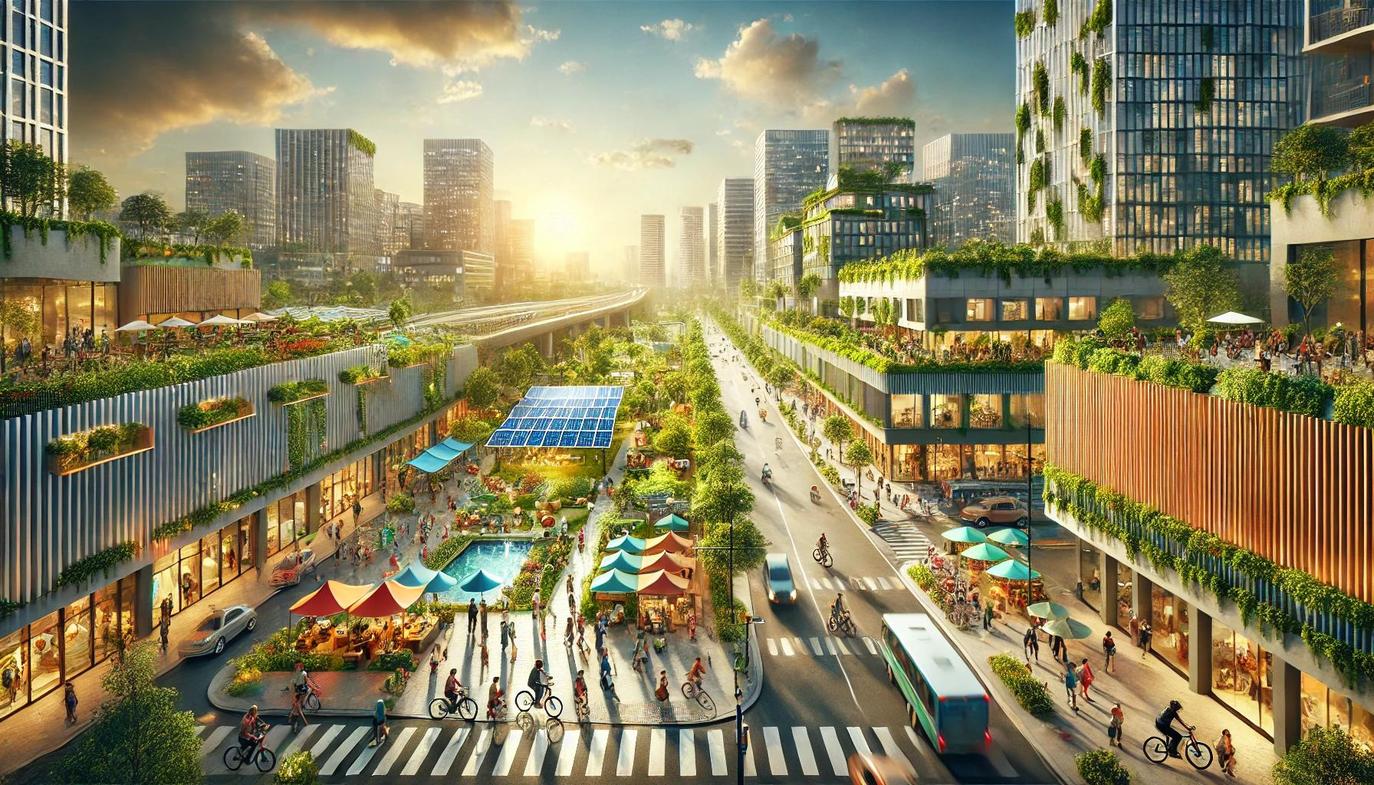
Sustainable Urban Growth: How Mixed-Use Developments Reshape Cities
Mixed-use developments are essential for revitalizing cities, creating interconnected spaces where living, working, and leisure blend seamlessly. These developments not only enhance convenience but also foster community bonds, stimulate local economies, and promote sustainable urban growth. Although challenges exist, strategic planning and active community involvement can effectively address these obstacles.
By keeping pace with mixed-use development trends, city planners and developers can craft urban environments that are efficient, inclusive, and vibrant. As urban populations expand, mixed-use projects provide a versatile and progressive solution to contemporary challenges.
For those interested in the evolving landscape of urban planning, a closer look at downtown redevelopment initiatives reveals how these projects are reshaping our cities. It’s clear that mixed-use developments extend beyond mere construction—they play a crucial role in building communities, sparking innovation, and elevating the quality of life for all residents.
Investing in mixed-use developments means committing to the future of our cities. Through thoughtful design, sustainable practices, and a community-centric focus, these projects can spearhead urban modernization, setting new benchmarks for living and working. By embracing current trends and learning from previous experiences, cities have the opportunity to become spaces where modernity harmonizes with tradition for the benefit of everyone.
Mixed-use developments are vital for cultivating dynamic, resilient, and inclusive urban environments. They exemplify the remarkable outcomes that emerge when communities, developers, and local governments collaborate to redefine urban living possibilities. The road ahead brims with potential, with mixed-use developments at the forefront of a future where urban life becomes increasingly enriched, sustainable, and interconnected.

