
The discovery of antibiotics was one of the most significant achievements in human history. It allowed us to fight infection, making common illnesses and routine surgery much less life-threatening. But unfortunately, overprescription and overuse of these drugs have rendered many ineffective. As a result, antibiotic-resistant bacteria could become a severe health threat in the coming decades. But all hope is not lost yet. Chemists and biologists worldwide are racing to develop new antibiotics to fight these constantly mutating bacteria.
DNA Antibiotics
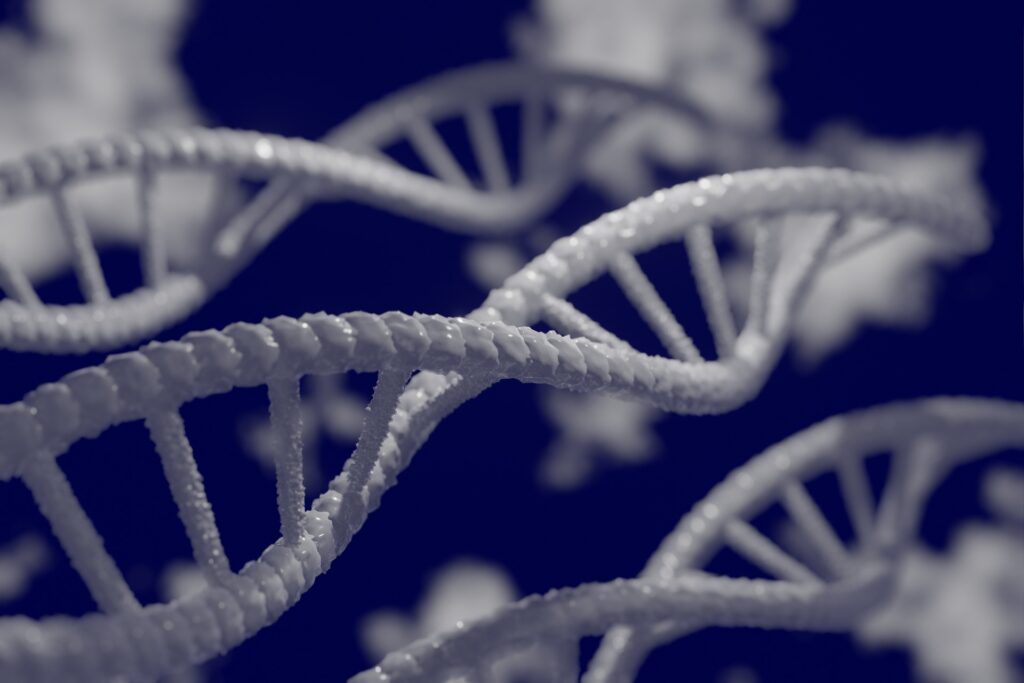
One of the fascinating recent advances in antibiotic research revealed that new antibiotics might have been inside our bodies all along. Engineers at the University of Pennsylvania found naturally occurring antibiotics in the human genome. Using a custom-made “search” algorithm, they found dozens of potential antimicrobial peptides (AMPs) hiding deep within DNA coding. AMPs are naturally occurring molecules that defend the body from infection.
Study leader César de la Fuente, Presidential Assistant Professor in Chemical and Biomolecular Engineering, and Bioengineering, Microbiology, and Psychiatry, said:
“The human body is a treasure trove of information, a biological dataset. Using the right tools, we can mine answers to some of the most challenging questions. For example, we use the word ‘encrypted’ to describe the antimicrobial peptides we found because they are hidden within larger proteins that seem to have no connection to the immune system. In this area, we expect to find this function.
In this study, we applied a new way of using AI for antibiotic discovery in previously unrecognized places. What better place to start than by exploring our very own biological information, the collection of genes and proteins that make us who we are.
Imagine you want to find a specific word in a huge Word document such as an encyclopedia. You would simply use the search function, set the parameters for the text you are looking for, and the algorithm would rapidly highlight all of the areas in the document that match. That’s essentially the approach we took when searching for new antibiotics. We knew the sort of molecules we were looking for and utilized the algorithm to act as a search function to find them throughout the human body.”
The team selected 55 of the 2,603 AMPs found and tested their efficacy against eight pathogenic bacteria, including Staphylococcus aureus (staph), Pseudomonas aeruginosa, Klebsiella pneumoniae, and E. coli. The team chose those bacteria because they often infect patients in hospitals and can be challenging to treat.
César de la Fuente said:
“We found that 63.6% of these 55 encrypted peptides displayed antimicrobial activity. Interestingly, these peptides not only fought off infection by some of the most harmful bacteria in the world, but they also targeted gut and skin commensal organisms that are beneficial to us. We speculate that this could be indicative of a microbiota modulating role that these peptides may possess as well.”
The results were promising in tests designed to examine whether these encrypted peptides might influence bacteria to develop resistance. De la Fuente continued:
“Because these encrypted peptides have the potential to be applied as natural antibiotics, we need to understand how they influence the mutation of bacteria to understand if they will promote resistance. We found that these encrypted molecules attack bacteria by permeating their outer membranes, an integral organelle for survival. This more damaging membrane permeation would require a great amount of energy and multiple generations of mutations to create resistance in bacteria, indicating that these newly discovered peptides are good candidates for sustainable antibiotics.”
The team also tested the AMPs’ ability to act synergistically. They discovered that cocktails of AMPs derived from the same biogeographic area could magnify their ability to fend off infection by 100-fold.
De la Fuente explained:
“This synergistic effect is likely already happening in our bodies. Some of the peptides discovered by our algorithm exhibited antimicrobial activity at physiologically relevant levels. These molecules are found throughout the body, including the immune system. A surprising finding was that these peptides were not only encoded in the immune system but were also found in the digestive, circulatory, and nervous systems, for example, indicating that fighting off infections caused by invading organisms may be a more holistic approach than previously thought.”
This study’s findings could lead to more than just new natural antibiotics. The technique used to find the AMPs could also help expose hidden therapeutic molecules for diseases and other illnesses.
EGCG in Green Tea
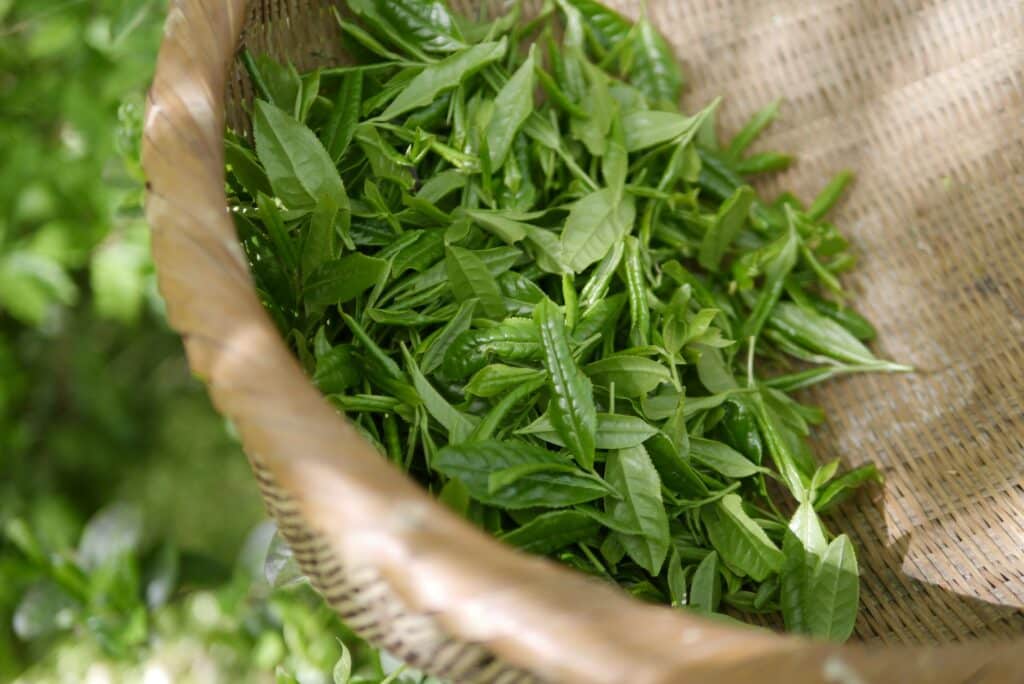
Green tea contains high quantities of a molecule called Epigallocatechin (EGCG) that can boost the efficacy of a standard antibiotic. A researcher team at the University of Surrey discovered that administering the natural compound together with the antibiotic aztreonam effectively killed Pseudomonas aeruginosa, a notoriously antibiotic-resistant bacterium.
Study author Roberto La Ragione said:
“The World Health Organization has listed antibiotic-resistant Pseudomonas aeruginosa as a critical threat to human health. We have shown that we can successfully eliminate such threats using natural products in combination with antibiotics already in use. Further development of these alternatives to antibiotics may allow them to be used in clinical settings in the future.”
Tobacco Flower Peptide
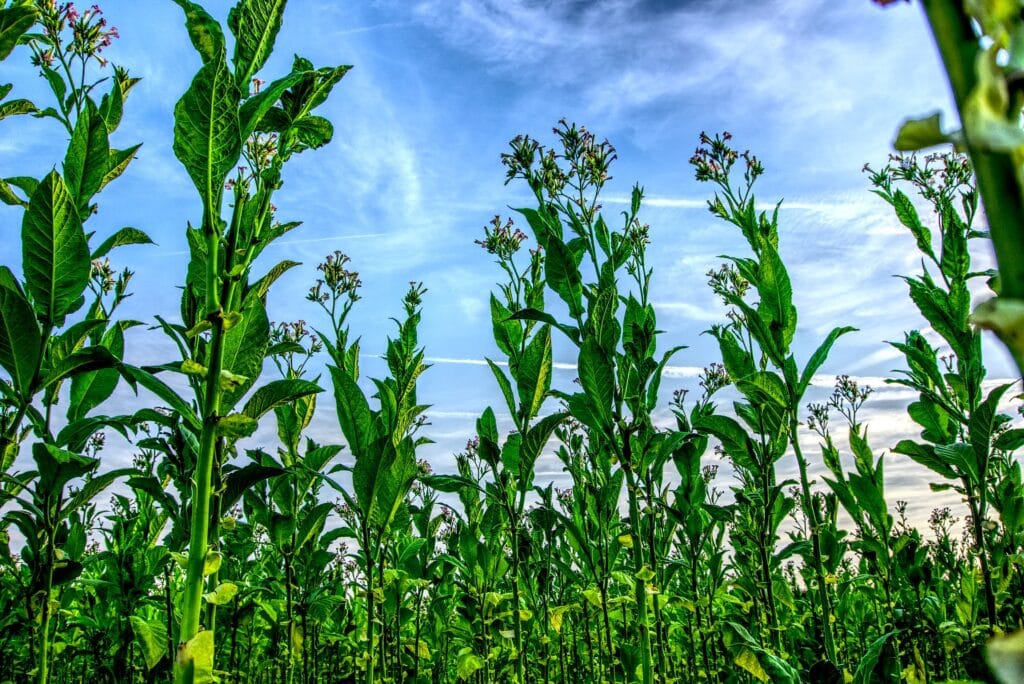
La Trobe University researchers isolated a peptide known as NaD1 from tobacco flowers that shows promise as a new antibiotic candidate. They chose the ornamental plant Nicotiana alata because it’s known to protect itself from infection by producing anti-fungal molecules. Experiments revealed NaD1 was effective against Candida Albicans, a type of microorganism most antibiotics can’t kill.
Study author Dr. Mark Hulett explained how the peptide destroyed the fungus by puncturing the outer cell walls and tearing them open. He said:
“They act in a different way to existing antibiotics and allow us to explore new ways of fighting infections. It’s an exciting discovery that could be harnessed to develop a new class of life-saving antimicrobial therapy to treat a range of infectious diseases, including multi-drug-resistant golden staph, and viral infections such as HIV, Zika virus, Dengue, and Murray River Encephalitis.”
Sugars in Human Breast Milk

Researchers from Vanderbilt University found a new class of antibiotics in human breast milk sugars.
Steven Townsend, director of the new study, said:
“For most of the last century, biochemists have argued that proteins are most important and sugars are an afterthought. Most people have bought into that argument, even though there’s no data to support it. Far less is known about the function of sugars, and, as a trained glycoprotein chemist, I wanted to explore their role.”
The team first pitted five milk sugar samples against five strep colonies to test the sugars’ antibacterial properties. One of the five samples nearly wiped out the whole bacterial colony. Next, they combined the sugars with antimicrobial peptides from human saliva and introduced the mix to strep cultures. The sugars destroyed the bacteria’s biofilm, allowing the peptides to finish the job. As a result, the sugar makes it easier for antibacterial agents to fight the bugs.
Townsend remarked:
“Our results show that these sugars have a one-two punch. First, they sensitize the target bacteria, and then they kill them. Biologists sometimes call this ‘synthetic lethality, and there is a major push to develop new antimicrobial drugs with this capability.”
Rattlesnake Venom Extract

Yet another exciting candidate to make new antibiotics is a peptide called crotalicidin, extracted from South American Rattlesnake venom. A team including investigators from the University of Queensland and Pompeu Fabra University isolated a specific fragment of the peptide and put it to work against bacteria, including E. coli and Pseudomonas aeruginosa. Within 90 to 120 minutes, 90% of the E. coli was dead; within 5 to 30 minutes, 90% of the P. aeruginosa was killed.
Study co-author Sónia Troeira Henriques said:
“The peptide is positive while the bacteria is negative, allowing it to kill the bacteria by inserting and disrupting the membrane. However, because the cells in the body hosting the infection are neutral, they are not disrupted.”
Frog Skin Medicine
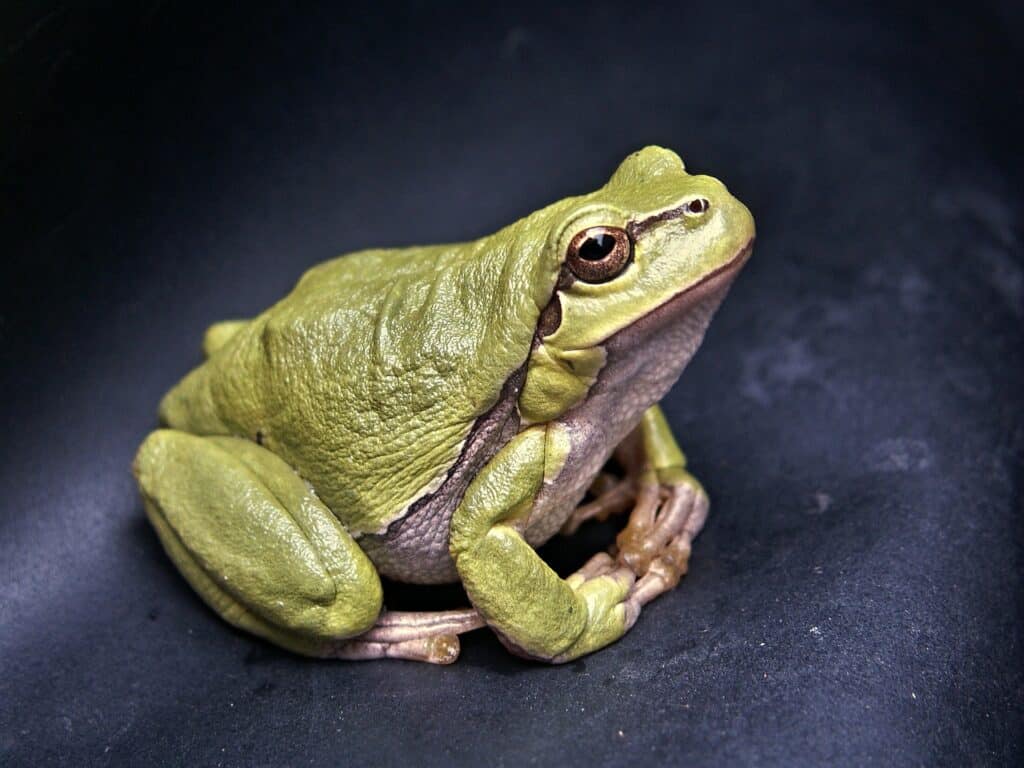
Biochemist Dr. Michael Conlon, from the United Arab Emirates University, explained at the 240th National Meeting of the American Chemical Society how his team identified over 100 antibiotic substances in the skins of various frog species from around the globe. He said:
“Frogskin is an excellent potential source of such antibiotic agents. They’ve been around 300 million years, so they’ve had plenty of time to learn how to defend themselves against disease-causing microbes in the environment. Their environment includes polluted waterways where strong defenses against pathogens are a must.”
The skin of certain frogs, like the foothill yellow-legged frog, contains secretions that are potential antibiotic candidates.
Platypus Milk Protein
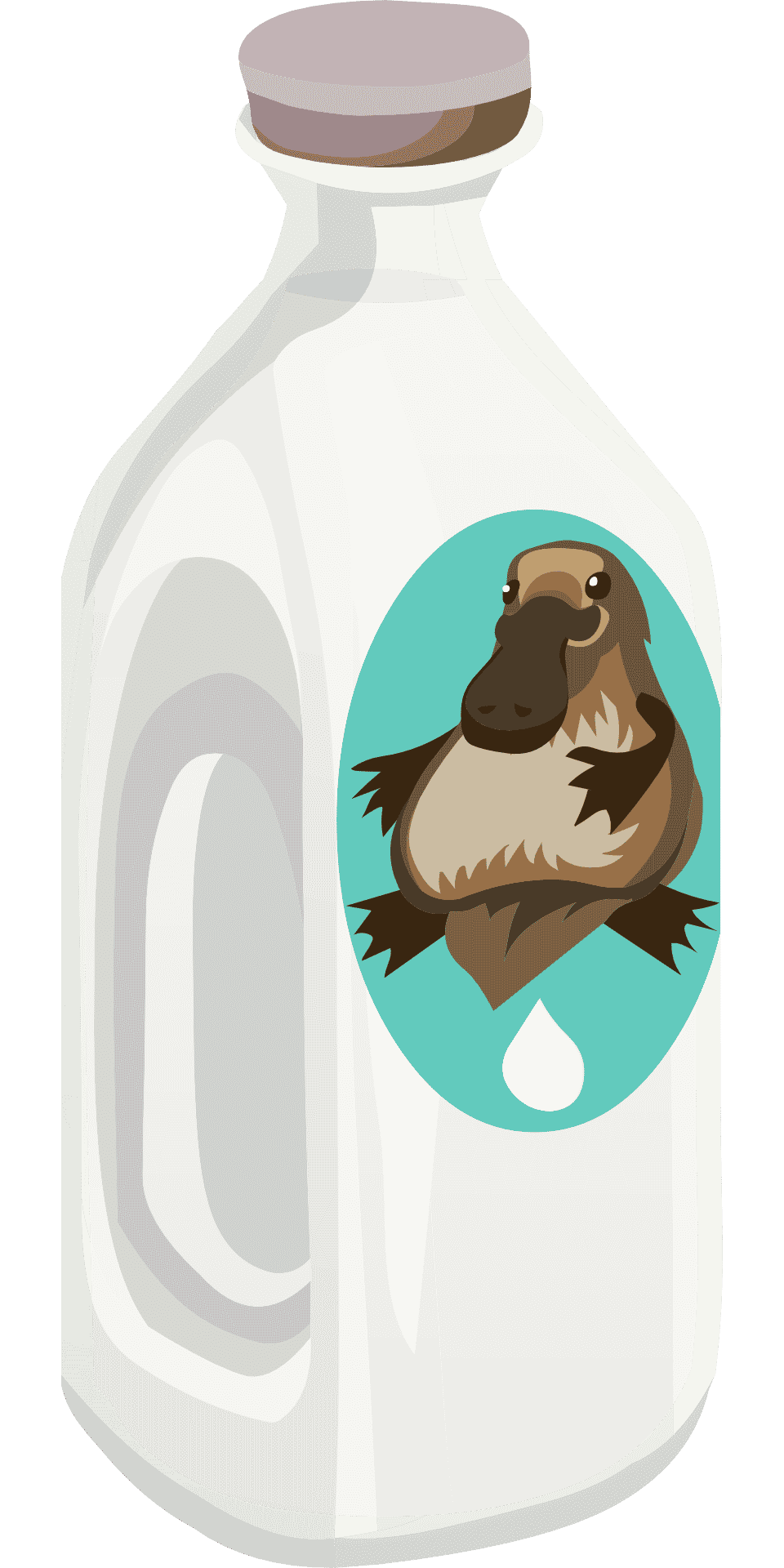
Scientists at Australia’s CSIRO and Deakin University found a novel protein in platypus milk that appears to possess unique antimicrobial properties.
Invasive Weed Berries
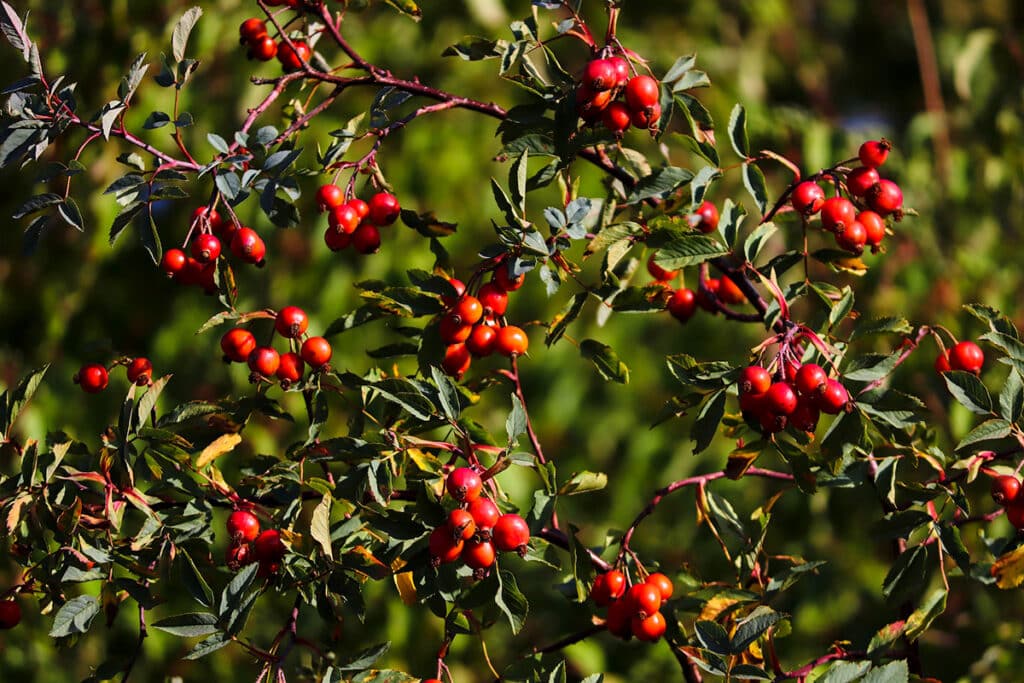
The Brazilian Peppertree is an invasive weed found across Florida. Extracts from its berries can neutralize Staphylococcus aureus, a dangerous antibiotic-resistant staph bacterium.
Bacteria in Bees’ Honey Stomach
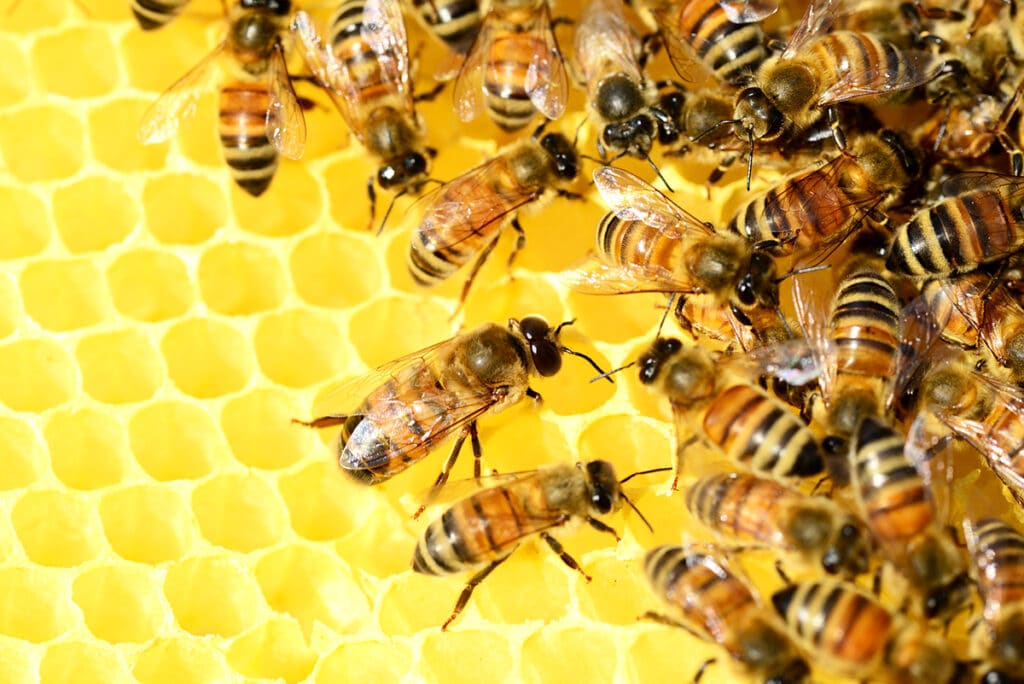
Researchers at Sweden’s Lund University identified a group of 13 lactic acid bacteria residing in bees’ honey stomachs that shows promise as an alternative to antibiotics. The bacteria produce various active microbial compounds. It counteracted them all when applied to severe pathogens like Pseudomonas aeruginosa, methicillin-resistant Staphylococcus aureus (MRSA), and vancomycin-resistant Enterococcus (VRE).
Maple Syrup Boost
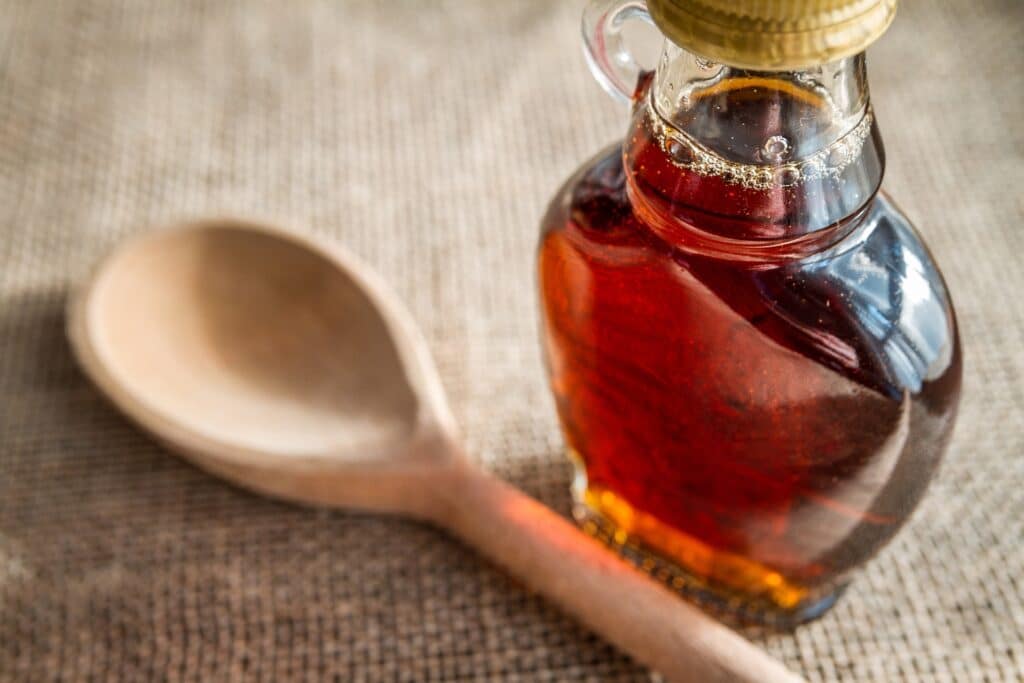
Scientists at Canada’s McGill University produced a maple syrup extract that heightened bacteria’s vulnerability, thus aiding antibiotics in the battle against bacteria. They suggest combining the extract with antibiotics to enable lower doses for treating infections, helping to slow down the evolution of drug-resistant superbugs.
The maple syrup extract works by breaking down the protective layer around bacteria that tends to repel the efforts of the antibiotics. In addition, the extract neutralizes the tiny pumps inside the bacteria used to push the antibiotics away. The researchers also found that when they paired the maple syrup extract with antibiotics, it destroyed bacterial biofilms – the communities of bacteria that cling to each other on a surface.
Finding Answers
Every day a new team of researchers makes a discovery, like those listed above, that highlights how fantastic nature and human achievements are. Science holds all the answers, and people simply have to find them.


