
If the light turns red while you’re already in an intersection, don’t slam on the brakes just because the signal changed. If you entered legally, you should generally finish crossing when it’s safe.
It happens more often than people think, especially when someone is waiting to turn left. You’re watching for a gap in traffic, another car comes along, and before you know it, the light has changed. If a collision follows, the timing of the signal may become a key issue in a red or yellow traffic signal crash investigation.
In this article, we explore what happens when a traffic light turns red while you are already in the intersection, and how to proceed safely.
What Does the Law Say About When You Can Enter an Intersection?
A green light means you can go, provided there’s space to move through. Yellow means the light is about to change, so you should stop if you can do so safely. A red light means stop before entering the intersection.
Traffic laws spell out this requirement for drivers facing a steady red signal. Drivers must stop at the marked limit line or, if there isn’t one, before the crosswalk or intersection. Some turns on red are allowed after stopping, but drivers must follow the applicable restrictions and yield when required.
There’s a practical side to this, too. Even with a green light, don’t pull forward if traffic on the other side is at a standstill. You might save a few seconds by squeezing in, but you could end up blocking the intersection when the other direction gets the green.
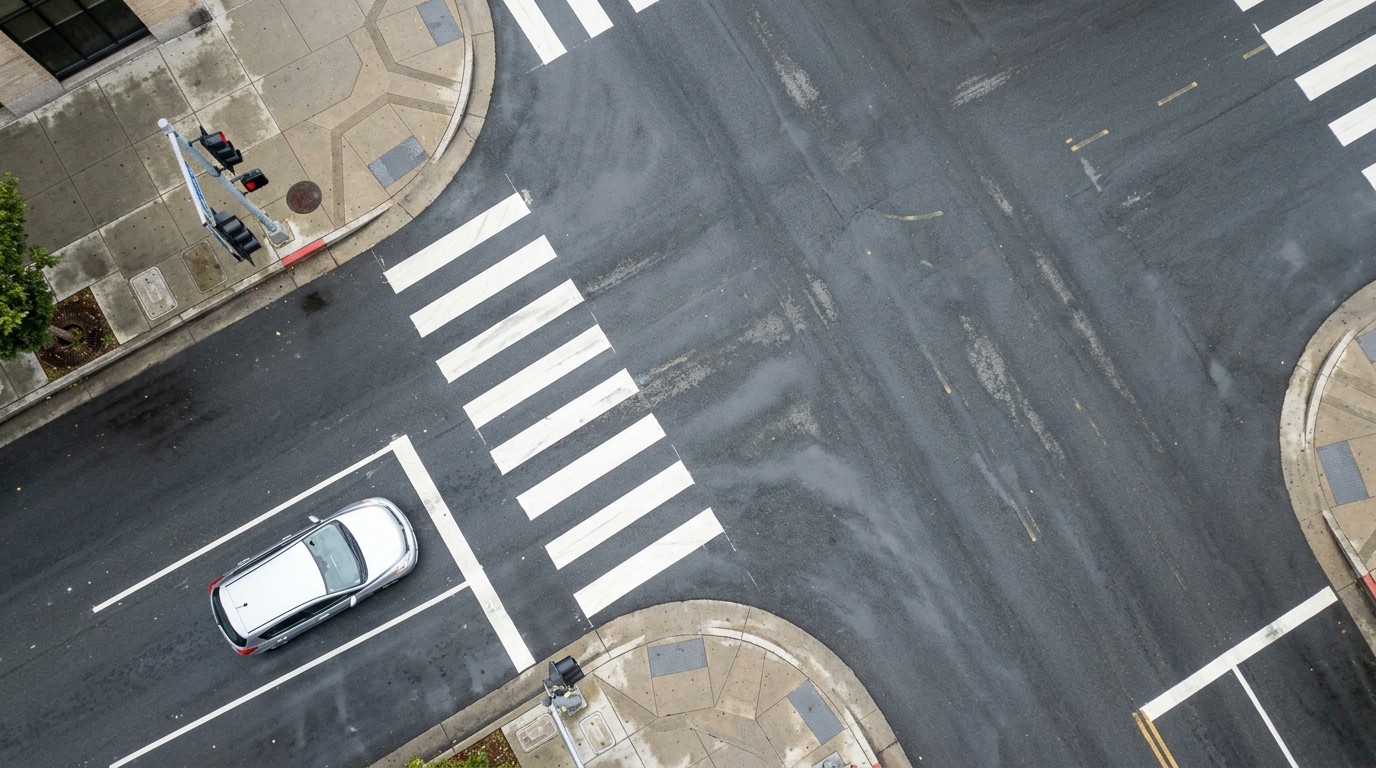
Is It Illegal to Be in the Intersection When the Light Turns Red?
No, not automatically. If you entered while the light allowed you to proceed, the signal changing to red doesn’t suddenly make your entry illegal. The usual expectation is that you’ll clear the intersection when it’s safe.
Think about a left turn. You pull forward on green, but the oncoming lane stays busy. You’re still waiting when the light turns red. That doesn’t necessarily mean you’ve committed a violation. Once traffic clears, you can generally complete the turn, provided you yield as required by law.
The timing matters. A driver who enters after the light has turned red is in a different position from someone who entered legally but couldn’t get across in time. If a ticket or insurance claim follows, that distinction may become important.
Steps to Take If the Light Changes Mid-Intersection
First, resist the urge to make a sudden move. Braking hard or reversing can confuse nearby drivers and create another hazard.
Look around before proceeding. If you’re waiting to turn, check that oncoming traffic has stopped or left enough room for you to move safely. Don’t force your way through if pedestrians or vehicles are still in your path.
If a crash happens, your first concern should be safety. Once you’re out of immediate danger:
- Check for injuries. Call 911 if anyone needs emergency help.
- Take a few photos. Capture the damage, road markings, and traffic signals if it’s safe.
- Talk to witnesses. Someone standing nearby may have seen which light each driver faced.
- Save any video. Dashcam footage may help establish how the collision happened.
- Report the crash. Follow your state’s reporting requirements.
Try to do this while the details are still fresh. After a frightening collision, it’s easy to forget small things that later turn out to matter.

Key Points to Remember
- If you entered an intersection legally, a traffic light turning red does not automatically make your entry illegal.
- Clear the intersection when it is safe instead of braking suddenly or reversing.
- Drivers waiting to turn left may generally complete the turn after oncoming traffic clears, provided they yield as required.
- Entering an intersection after the light turns red differs from being unable to clear it before the signal changes.
- If a collision occurs, check for injuries, document the scene, collect witness information, and preserve dashcam footage when possible.

