
Maintaining a pristine swimming pool shouldn’t feel like a constant drain on your finances. While the hardware required to keep your water crystal clear is often expensive, savvy homeowners are increasingly turning to high-quality used pool pumps on sale to bridge the gap between performance and price. By opting for pre-owned equipment, you’re not just saving money; you’re making a strategic choice to invest in proven technology that keeps your system running smoothly without the “new-item” markup.
Think of your pump as the central nervous system of your backyard oasis. It dictates everything from the effectiveness of your filtration to the overall efficiency of your pool heater. Choosing the right unit—whether it’s a robust variable speed pool pump or a reliable single-speed workhorse—ensures that your water stays inviting and your energy bills remain manageable. The goal is to achieve professional-grade circulation while keeping your maintenance budget firmly under control.
This guide explores how to navigate the market for second hand pool pumps with confidence. From understanding price points to performing rigorous mechanical inspections, we’ll help you identify the best pool pumps for sale today. Let’s dive into how you can upgrade your pool’s performance while keeping your hard-earned savings right where they belong.
Top Benefits of Investing in Used Swimming Pool Pumps
- Cost Effectiveness: Securing a second-hand branded unit can slash your upfront costs by 30% to 60%, offering premium performance for a fraction of the retail price.
- Long Service Life: Many of these units originate from system overhauls, high-end renovations, or commercial pool closures. Despite being pre-owned, they often retain a significant amount of operational life.
- Cost Savings for Future Upgrades: The savings can be directed towards other upgrades, such as filters, automation systems, or a new swimming pool heater.
- Sustainability: Second-hand equipment prevents disposal in landfills, and manufacturing is also minimized, which promotes a green swimming pool system.
Detailed Price Comparison: Pre-Owned vs. New Pool Pump Costs
Understanding the price gap between new and pre-owned models is the first step toward maximizing your maintenance budget.
Pump Prices (Mean Costs) of New Pools
- Standard single-speed pumps ($500 – $900): Traditional models that are reliable but lack the efficiency of modern upgrades.
- Variable-speed pumps: $1,000 – $2,500
- Commercial-grade pumps: $2,500+
Average Pricing of Used Pool Pumps
- Standard used pumps: $200 – $400
- Used variable-speed pumps ($400 – $900): These pre-owned gems offer the best ROI by drastically reducing long-term utility costs.
- Refurbished premium models: $600 – $1,200
Capitalizing on these substantial savings gives you the financial flexibility to invest in other high-value equipment upgrades. Consider directing those savings toward superior insulation, advanced filtration, or optimized circulation to further boost your system’s performance.
Optimizing Modern Pool Systems With Pre-Owned Circulation Pumps
Your pool circulator serves as the heart of the entire system; it powers your filtration, drives your heating efficiency, and regulates your total energy consumption. Effective circulation is non-negotiable for any setup featuring a swimming pool heater pump. Without sufficient water movement, your heat pumps cannot achieve the efficient thermal transfer required to maintain your desired temperature.
Energy Efficiency Tip:
- Converting a single-speed used pump to a variable-speed used pump can reduce electricity consumption by 50-75%.
- Ineffective circulation may reduce the efficiency of pool heaters by up to 20-30%, whereas a high-performance pump maintains a steady, comfortable temperature while significantly lowering your daily electricity usage.
Critical Factors for Selecting High-Performance Used Pool Pumps
The following factors should be taken into consideration when choosing a used pool pump:
1. Energy Efficiency
Long-term savings are achieved by using a pool pump that is energy-efficient. Focus on finding a variable-speed or high-efficiency model that integrates seamlessly with modern, eco-friendly systems. Even a used pump can save you $150-$400 per year compared to a typical single-speed pool pump.
2. Water Flow Rate
Your water flow rate must align perfectly with your specific pool dimensions and heating hardware. Maintaining this balance is critical for system longevity:
- Low flow rates often lead to sluggish, inefficient heating cycles.
- Excessive flow can create high pressure that damages filters or plumbing.
- Balanced circulation ensures your heat exchanger operates at peak efficiency.
Achieving the correct flow rate protects your equipment while ensuring every gallon of water is treated and heated effectively.
3. Heat System Compatibility
Maintain robust water circulation to ensure your heating system operates at peak thermal efficiency throughout the season.
4. Build Quality and Materials
Selecting a pump crafted from corrosion-resistant materials significantly prolongs the unit’s operational lifespan while reducing maintenance needs.
5. Heat Exchange and Circulation
An effective pump ensures a steady stream of water to the parts, either to titanium heat exchangers or heat exchanger coils. It will enhance pool heater efficiency by up to 20-30%. High thermal conductivity materials can be used to improve system efficiency further.
6. Brand Importance
Prioritize reputable brands known for accessible replacement parts, as this foresight guarantees easier maintenance and extends the overall life of your unit.
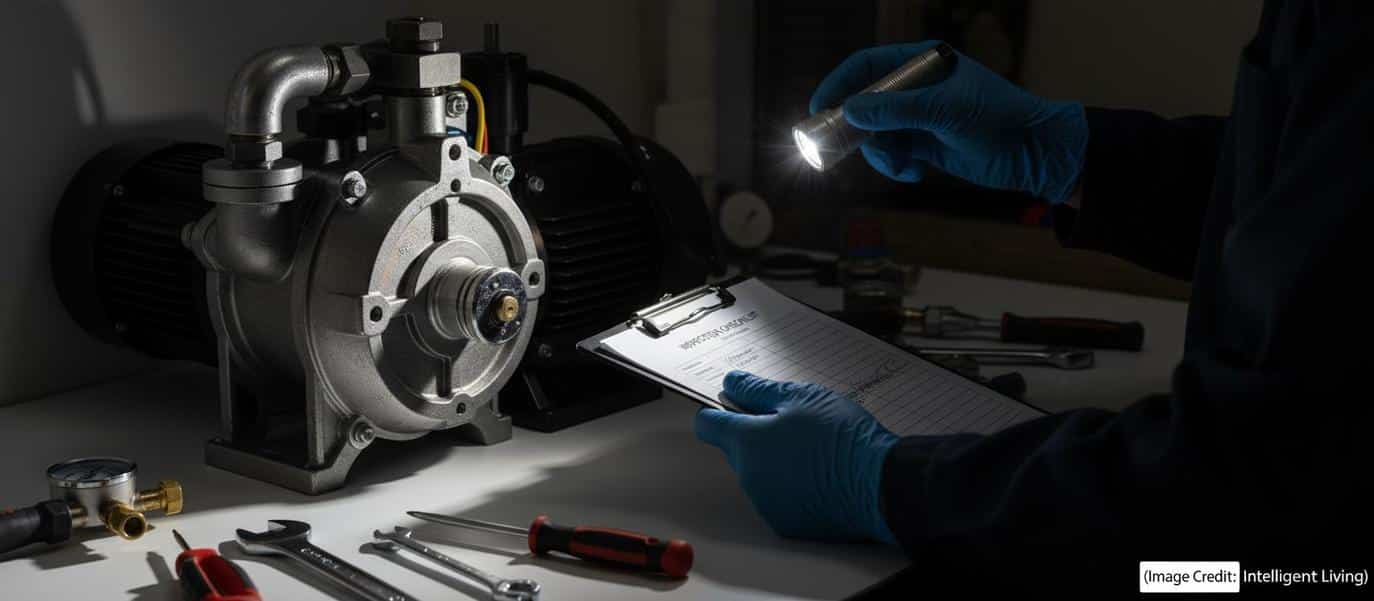
The Professional Inspection Checklist for Second Hand Pool Pumps
Always perform a rigorous hands-on inspection before committing to any pre-owned unit.
Visual Inspection
- Inspect the pump housing and motor mounts for hairline cracks, surface rust, or signs of deep-seated corrosion.
- Check seals and gaskets.
- Check housing for structural damage.
Mechanical Condition
- Turn the motor shaft by hand where possible.
- Listen for grinding sounds during operation.
- Check vibration levels during running.
Electrical Safety
- Check connections and wiring.
- Ensure no wires are exposed.
- Confirm proper grounding.
Performance Testing
- Test water pressure.
- Verify consistent flow.
- Perform a temperature stability check during heated conditions.
Red Flags to Avoid
- Visible water damage.
- Smoke from a burnt motor or strange noises.
- Unpredictable flow or unidentified usage history.
Always verify that your heating system components are fully compatible with your pump. Proper synchronization ensures your heating element functions at its maximum capacity without unnecessary strain.
Expert Buying Strategies for Long-Term Pool Pump Savings
Upgrading from a traditional single-speed unit to a variable-speed model is one of the fastest ways to see a return on your investment. In fact, many homeowners report saving between $300 and $500 annually on energy costs alone.
When sourcing your next unit, keep these strategic buying tips in mind:
- Prioritize reputable sources that offer verified testing or maintenance logs.
- Ask the seller about the pump’s history—whether it was used for a small residential dip or a heavy-duty commercial setup—to better estimate its remaining lifespan.
- Look for professionally reconditioned models that have been bench-tested and restored to factory specifications.
- Compare specific model features rather than just looking at the sticker price.
- Always confirm the seller’s return policy or any remaining manufacturer warranties.
Pairing these units with your existing swimming pool heat pumps can further slash your heating bills by up to 25%. By optimizing your circulation now, you set the stage for a more efficient, lower-cost pool season.

Maximize Savings with a Smart Pool Pump Upgrade
Investing in a pre-owned pool circulator is one of the most effective ways to enhance your system’s performance without overextending your budget. When you prioritize thorough inspections and brand reputation, you can secure a high-efficiency unit that rivals the performance of brand-new models at a fraction of the cost.
This approach allows you to reallocate your savings toward other essential upgrades, such as improved filtration or advanced heating automation, creating a more luxurious and efficient swimming experience for your family. The key to success lies in doing your homework and ensuring compatibility with your existing swimming pool setup.
By following a structured approach to sourcing and testing, you can enjoy a crystal-clear pool and significantly lower utility bills for years to come. Opting for a pre-owned unit goes beyond simple budgeting—it represents a conscious commitment to sustainable home maintenance that benefits both your wallet and the environment.
Frequently Asked Questions About Used Pool Pumps
How much can I save by buying a used pool pump?
Typically, you can expect to save between 30% and 60% compared to the retail price of new units. The exact savings depend on the brand, age, and whether the pump is a standard or variable-speed model.
How long does a second hand pool pump usually last?
A well-maintained, high-quality pump can last between 8 to 12 years. If you purchase a unit that is only a few years old, you can still expect several seasons of reliable service.
Are used variable speed pool pumps better than new single-speed pumps?
In most cases, yes. A used variable-speed pump is often more energy-efficient and quieter than a brand-new single-speed pump, potentially saving you hundreds of dollars in annual electricity costs.
What is the most important thing to check during an inspection?
Listen to the motor while it’s running. Grinding or screeching sounds often indicate failing bearings, which can be an expensive repair that might outweigh your initial savings.
Where is the best place to find pool pumps for sale?
Look for reputable local pool service companies, specialized online refurbished equipment retailers, or verified private sellers who can provide a demonstrated history of maintenance.

