
With growing awareness of the harmful impacts of greenhouse gases generated by various human activities, people are increasingly seeking solutions and sustainable alternatives to preserve our environment and planet.
The food industry is a major contributor to greenhouse gas emissions throughout its entire life cycle, from production and processing to distribution and consumption. Within the food industry, one significant source of these emissions is the production and disposal of traditional packaging materials.
Switching to eco-friendly food packaging is crucial in addressing these environmental challenges and promoting sustainability. Traditional food packaging materials like aluminum, plastic, styrofoam, polystyrene, and polyvinyl chloride greatly contribute to waste pollution in water and land environments.
This pollution is responsible for several natural disasters, including flooding. It also aids in the spreading of diseases to humans and wildlife, posing a serious health risk to living things.
Understanding Eco-Friendly Food Packaging
Eco-friendly food packaging refers to both practices and materials that prioritize minimizing environmental impact. This sustainable approach is used to package various foods, aiming to reduce waste, conserve resources, and lower carbon footprints. It encompasses packaging that is:
- Biodegradable: Breaks down naturally into harmless substances through the action of microorganisms like bacteria and fungi.
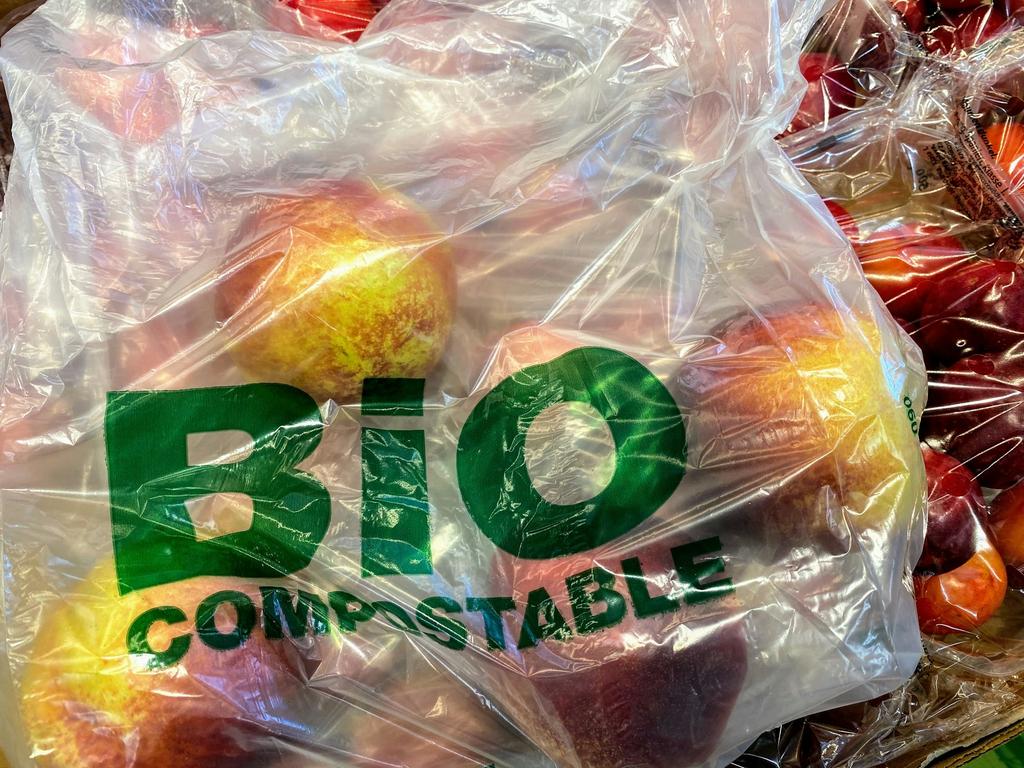
- Compostable: Decomposes into nutrient-rich organic matter in a composting environment.
- Recyclable: Can be processed and used to create new products.
- Reusable: Designed for multiple uses, reducing the need for new packaging.
- Made from renewable resources: Sourced from materials that can be replenished naturally, such as bamboo, sugarcane, or wood pulp.
One unique feature of sustainable food packaging is the materials used in its manufacture. Commonly used eco-friendly materials include polylactic acid (PLA), which is derived from renewable resources like cornstarch and bagasse, a byproduct of sugarcane processing. For a complete overview of the available options, see this guide to biodegradable packaging.
These materials are notable for their minimal environmental impact and renewable origins, offering substantial benefits over traditional packaging. These include reduced pollution, resource conservation, and lower emissions, among others.
Production Process of Eco-Friendly Packaging
From production through disposal, eco-friendly materials tell a story of care and consideration. They function just as traditional packaging does, serving as food containers, shopping bags, and more. Yet, their journey doesn’t end in a landfill.
Once their duty is done, these materials can be composted, recycled, or left to biodegrade naturally, enriching the soil from which they came without leaving any harmful residues.
During production, materials are made using sustainable methods. For instance, plant-based plastics come from renewable crops. Now, these materials are used in everything from food containers to bags, just like traditional packaging.
Finally, after use, eco-friendly packaging can either be composted, recycled, or left to biodegrade naturally.
Environmental Benefits of Eco-Friendly Food Packaging
Reduction in Plastic Waste
Eco-friendly packaging provides a viable solution to the issue of plastic waste that always ends up in our oceans and landfills. Aside from pollution, the sight of this plastic waste is never pleasant.
While a regular plastic bottle might linger in the environment for hundreds of years, biodegradable and compostable packages can decompose in a matter of months under the right conditions.
This rapid breakdown helps significantly reduce the burden on our landfills and oceans. As these eco-friendly materials decompose, they leave behind little to no harmful residues, making them far gentler on the environment.
This transition from traditional to sustainable packaging materials could dramatically lessen the visual and chemical impact of waste.
Conservation of Resources
Using recycled materials in packaging plays a crucial role in conserving our planet’s finite resources. When we reprocess used materials into new products, we reduce the need for virgin resources, such as fresh fiber from trees or new plastic derived from oil and gas.
This helps ensure the natural habitats are undisturbed and supports the ecosystem and wildlife that rely on these environments to thrive.
Sustainable packaging often utilizes resources that are repeatedly recyclable or sourced from well-managed, renewable farms and facilities. This approach lessens the strain on our planet’s resources, striking a healthy balance between human consumption and environmental preservation.
Reduction in Greenhouse Gas Emissions
The production and disposal of eco-friendly packaging have a lower carbon footprint than traditional methods. By relying less on fossil fuels to produce plastic and reducing the energy used to extract raw materials, we can lower overall greenhouse gas emissions.
Moreover, as we move away from using conventional plastic, predominantly derived from petroleum, and move towards plant-based alternatives, we also reduce the amount of carbon dioxide released into the atmosphere. Sustainable packaging not only aligns with but actively promotes the goals of carbon neutrality.
Economic and Social Benefits of Eco-Friendly Food Packaging
The benefits extend into the economic and social aspects of life, presenting compelling reasons for businesses to make the transition as well. Some of these reasons include:
Cost-Effectiveness
One of the most tangible benefits of switching to eco-friendly packaging is the potential for long-term cost savings. While the initial investment in sustainable materials may be higher, the overall savings from reduced waste management fees can be significant.
Eco-friendly materials often require less energy to produce and can be disposed of more cost-effectively via composting or recycling, thereby reducing the fees associated with landfill use.
Moving on, many companies find that bulk purchasing of materials or establishing partnerships with suppliers of green products can further reduce costs. These collaborations often result in lower prices due to the high volume of materials purchased and a shared commitment to sustainability goals.
Enhanced Brand Image
In today’s market, a strong brand image is crucial, and sustainability has become a powerful component of that image. Businesses that adopt eco-friendly packaging often experience a positive attitude in how consumers perceive their brand. This greener image can attract new customers and increase a company’s visibility among eco-conscious demographics.
The marketing advantages of being perceived as an environmentally friendly business are significant. It opens doors to new markets and customer segments that prioritize sustainability.
Consumer Demand and Satisfaction
You may have noticed how fast the demand for sustainable products is growing. In addition to the drive by the government and companies, many consumers are becoming more environmentally aware and are actively patronizing brands that demonstrate a commitment to sustainability.
Customers now appreciate companies that are thoughtful about how their activities impact the environment and are more likely to show loyalty to brands that align with their values.
Implementing Eco-Friendly Food Packaging in Your Business
Change comes with a lot of moving parts and challenges, especially if you do not plan and execute it efficiently. Adopting sustainable food packaging is great, but you need careful planning and execution. Here are a few things you can do to make the switch without putting a halt on your business activities.
Step-by-Step Guide
Decision: Committing to eco-friendly packaging starts with a firm decision. Clarify your reasons, whether they’re environmental, customer-driven, or regulatory. This foundation will guide your strategy and keep your team motivated.
Evaluation: Assess your current packaging solutions. Understanding where you stand helps identify the most impactful changes. This step can also uncover immediate cost savings opportunities, such as reducing materials used in existing designs.
Vision: Envision your end goal. What does success look like for your business with eco-friendly packaging? Visualizing the outcome can help align your team and external stakeholders with your transition plan.
Goal Setting: Establish clear, measurable objectives. This could include reducing plastic usage by a certain percentage or achieving specific recycling targets. Goals keep your team focused and accountable.
Research: Dive into the different eco-friendly materials and technologies available. Choosing the right materials for your products not only reduces environmental impact but can also cater to consumer preferences, opening up new market opportunities.
Sourcing: Connect with suppliers who share your environmental values. Building strong relationships with the right suppliers ensures a steady supply of high-quality materials. It can also lead to cost efficiencies through bulk purchasing agreements.
Test Run: Implement a pilot project to gather real-world data. This helps you understand how the new packaging performs under typical conditions and provides a chance to refine your approach before a full rollout.
Training Staff and Educating Customers
Staff Training: Equip your staff with knowledge about the benefits and proper handling of eco-friendly packaging. Well-informed employees are your best ambassadors, capable of conveying the value of sustainable practices to customers.
Educating Customers: Use every channel available to explain the benefits of your eco-friendly packaging. Educated customers are more likely to appreciate the value of sustainable products and choose your brand over less environmentally conscious options.
Handling Customer Feedback: Create a positive feedback loop. Prompt and thoughtful responses to customer feedback not only improve your products but also demonstrate your commitment to customer satisfaction and continuous improvement.
Conclusion
The decision to switch from traditional plastic to eco-friendly food packaging is a responsible choice that also echoes transformation across industries and customer habits. Businesses can now effectively contribute to the drive to keep our environment healthy.
This move can be described using the popular saying “using one stone to kill two birds” because you are not only conserving resources and reducing emissions but also enhancing the image of your brand and opening up new market opportunities.
Business owners need to incorporate sustainable practices in their daily routines as a show of responsibility toward a healthier environment. For consumers, choosing products with eco-friendly packaging pushes the market towards more sustainable options.
Let’s champion eco-friendly packaging as a key step towards a sustainable future, reinforcing our commitment to the planet and each other.


