
Modern residential architecture celebrates the aesthetic of minimalism. Yet the very materials defining this aesthetic—polished concrete, expansive glass, and double-height voids—routinely compromise acoustic comfort. While these elements create a striking visual impact, they simultaneously transform living areas into high-reverberation environments where sound energy bounces unchecked, leading to auditory fatigue and reduced speech intelligibility. Experts at the Acoustic Solutions Store believe that a home should be a sanctuary for all senses, necessitating a design approach where sound management is integrated as seamlessly as lighting or thermal insulation.
Achieving domestic serenity requires a sophisticated balance of sound absorption and diffusion, ensuring that sound waves are managed rather than silenced. By strategically placing high-performance acoustic panels and integrated ceiling systems, homeowners reclaim their spaces from the chaos of background noise and kitchen echoes. Targeted acoustic design softens cavernous open-plan kitchens while preserving architectural intent, ensuring every room fosters a composed and restorative living environment.
Modern residential environments rely heavily on acoustic performance to shape overall wellbeing. Open-plan layouts, polished concrete floors, large expanses of glass, and high ceilings may create stunning architectural spaces, but they also introduce echo, reverberation, and background noise. Without thoughtful acoustic design, even the most beautiful home can feel chaotic and tiring.

The Auditory Challenges of Modern Minimalist Architecture
Contemporary residential architecture favours open spaces and minimalist finishes. While visually appealing, these surfaces reflect sound rather than absorb it. Homeowners frequently encounter several auditory challenges in minimalist spaces:
- Conversations bouncing between parallel walls
- Kitchen noise bleeding into quiet living areas
- Television audio competing with ambient household sounds
These interactions result in increased reverberation, reduced speech clarity, and subtle but constant auditory strain. Internal acoustic discomfort often proves harder to identify than overt noise pollution from traffic or neighbours. Homeowners may simply describe their space as “noisy” or “echoey” without realising the underlying cause is untreated reflective surfaces. Acoustic design addresses this at its source.
Connecting Acoustic Performance with Resident Wellbeing
Research consistently shows that excessive noise contributes to stress, fatigue, and reduced concentration. Occupants now work, study, and relax within the same architectural footprint. Consequently, managing sound has become a vital component of residential health.
Implementing high-performance residential acoustic design facilitates:
- Clearer conversations
- Noticeable reduction in daily stress levels
- Improved sleep quality
- Better focus for remote work or study
- A calmer overall atmosphere

Optimising Residential Spaces with High-Performance Acoustic Panels
Acoustic panels offer one of the most effective methods for enhancing residential sound quality. Installing these treatments on walls or ceilings allows for the direct absorption of sound energy. This targeted approach effectively reduces reverberation while controlling unwanted echo.
In living rooms, acoustic panels can soften the harsh reflections caused by tiled floors and expansive glazing. In media rooms or home theatres, they improve sound clarity by reducing unwanted reflections that distort audio quality.
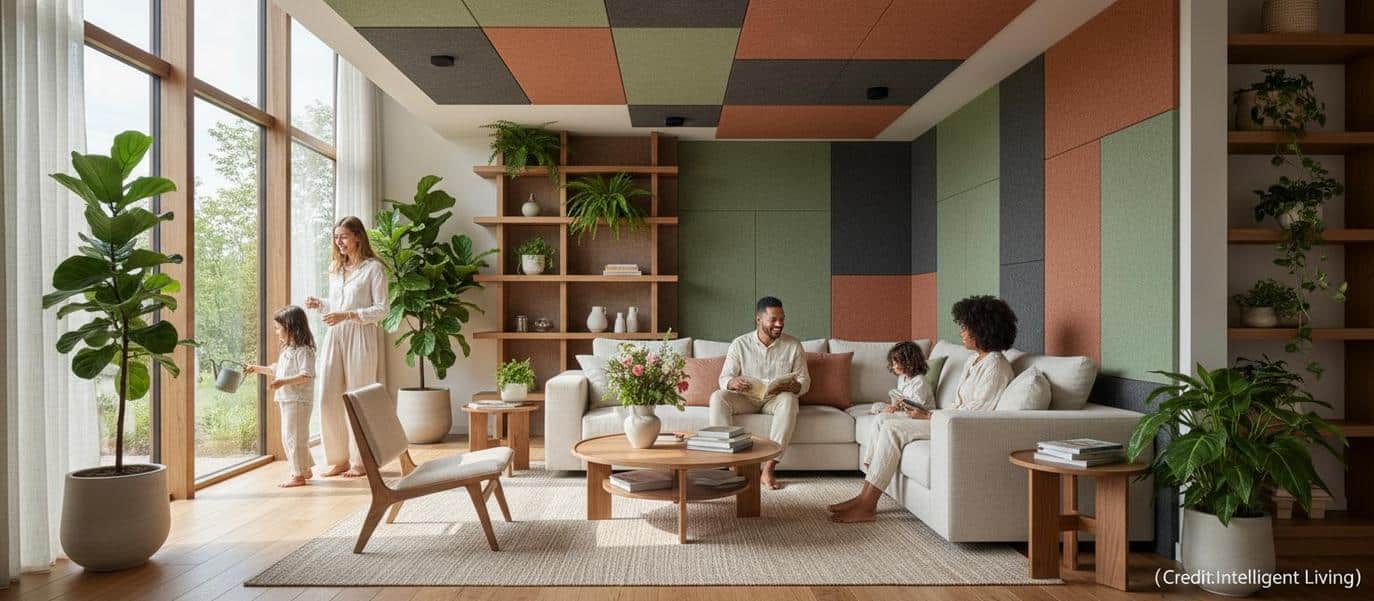
Modern acoustic panels prioritise aesthetic integration alongside technical performance. Available in a wide range of finishes, colours, and profiles, they can complement contemporary interiors rather than detract from them. Timber-look finishes, fabric-wrapped options, and custom shapes allow sound control to become part of the design language of the home.
The Role of Acoustic Ceiling Systems
Ceilings represent the largest uninterrupted surfaces in most rooms, functioning as primary conduits for uncontrolled reverberation. Acoustic ceiling systems provide an effective way to manage sound without sacrificing floor or wall space.
In open-plan homes, suspended ceiling rafts or integrated acoustic ceiling panels help absorb overhead reflections. Such overhead absorption proves invaluable in kitchen and dining areas, where hard cabinetry and appliances inevitably amplify noise.
High ceilings often exacerbate these issues. For homes with high ceilings, acoustic ceiling systems are especially beneficial. Double-height voids create dramatic echo effects if left untreated. Carefully placed ceiling panels help maintain architectural impact while delivering measurable acoustic improvement.
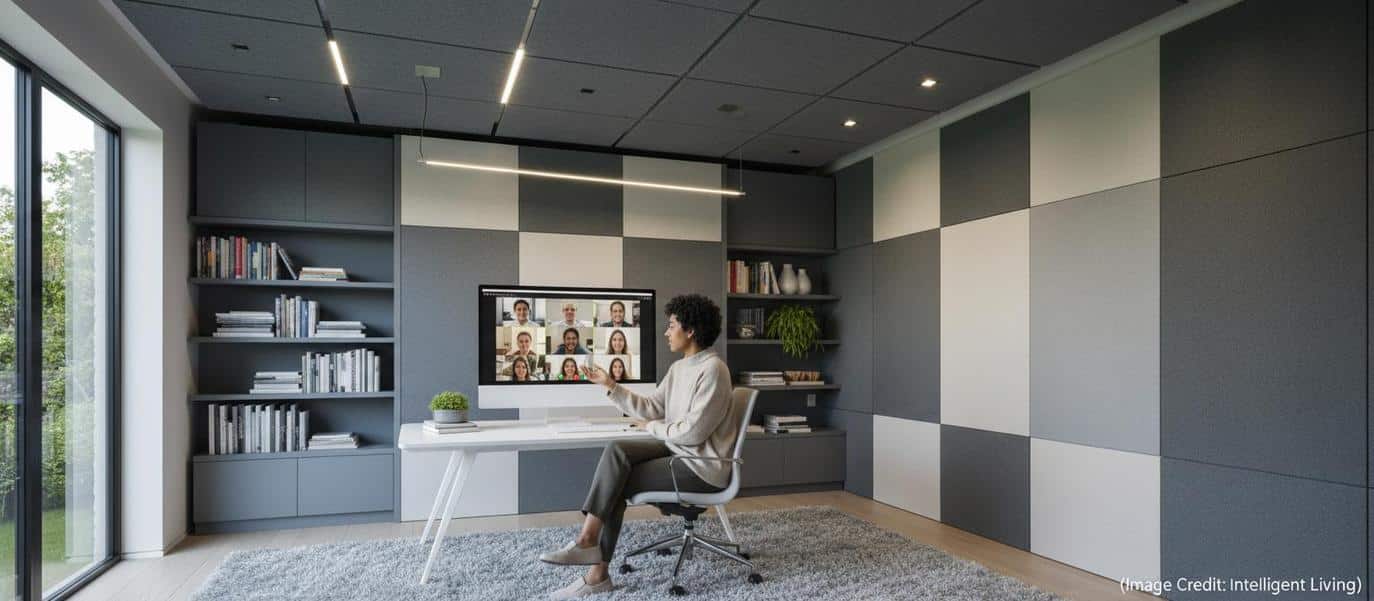
Acoustic Tiles for Practical Performance
For residential renovations or new builds that incorporate ceiling grids, acoustic tiles offer a discreet and effective solution. Designed to fit standard suspended ceiling systems, these tiles provide consistent sound absorption across the entire ceiling plane.
These solutions provide practical performance in several key areas:
- Dedicated home offices for video conferencing
- Basements and subterranean media rooms
- Multipurpose family areas and secondary living spaces
Strategic placement in these zones creates focused, quieter environments suited to work, study, or creative pursuits.
Managing Echo in Contemporary Open-Plan Environments
Open-plan design remains highly desirable, encouraging connection and flexibility. However, without acoustic consideration, large shared spaces can quickly become overwhelming.
Maintaining an open aesthetic does not require sacrificing auditory peace. Strategic acoustic solutions allow homeowners to preserve the sense of connection while significantly improving domestic comfort.
This strategy typically includes:
- Wall-mounted acoustic panels positioned near primary seating areas
- Ceiling-mounted acoustic rafts suspended above dining tables
- Soft furnishings paired with targeted architectural treatments
- Zoned acoustic strategies designed for multipurpose spaces
Implementing these methods ensures that the home remains functional for diverse activities. Homeowners can enjoy the benefits of open-plan living without the harshness associated with uncontrolled reverberation.
Sustainability and Intelligent Materials in Acoustic Design
Acoustic design also aligns with broader sustainability goals. Many modern acoustic panels and ceiling systems are manufactured using recycled materials and low-emission processes. Long-lasting, durable products reduce the need for frequent replacement.
Intelligent building design transcends simple material selection by fostering a strong connection with acoustic performance. Homes supporting wellbeing are inherently more sustainable. When occupants feel comfortable and focused, they use spaces more effectively and enjoy them for significantly longer durations. Acoustics should be considered alongside thermal performance, natural ventilation, and energy efficiency as part of a holistic residential design strategy.
Integrating Sound Management During the Architectural Design Phase
Homeowners achieve the most effective acoustic outcomes by addressing sound during the design phase rather than relying on reactive fixes. Architects and designers integrate acoustic panels and ceiling systems during the conceptual phase. This proactive approach ensures that treatments blend seamlessly with the building’s aesthetic and mechanical services.
Early planning allows the following:
- Integration with lighting and services
- Cohesive material selection
- Optimised panel placement
- Cost-effective installation
The Final Touch: Achieving Sensory Balance Through Sound Control
Designing homes that harmonise aesthetic beauty with efficient functionality remains a standard goal for modern architects. Yet comfort is deeply connected to the sensory experience of space. Sound fundamentally dictates the way we interact, the ease with which we relax, and our ability to truly recharge.
By integrating acoustic panels, acoustic tiles, and thoughtfully designed acoustic ceiling systems, homeowners can transform echo-prone interiors into calm, supportive environments.

Cultivating Lasting Tranquillity Through Residential Acoustic Design
Prioritising acoustic comfort represents a fundamental shift in how we perceive the functionality of our homes. Beyond the initial visual allure of a room, the auditory atmosphere dictates how we feel within a space—influencing stress levels, focus, and the quality of social interactions. Integrating architectural sound solutions such as acoustic ceiling systems and fabric-wrapped wall panels allows homeowners to move beyond reactive fixes. A proactive strategy for wellbeing preserves the vibrant energy of a household while ensuring architectural beauty and acoustic performance coexist seamlessly.
Treating sound as an active participant in our daily lives allows domestic serenity to thrive. Investing in premium acoustic panels and tiles serves as a commitment to a higher standard of living where every conversation is clear and every moment of rest is profound. As residential design continues to evolve towards more open and connected layouts, the role of intelligent sound management becomes increasingly vital. Choosing high-quality materials and planning for acoustics early ensures that your home remains a calm, restorative retreat.
Common Questions Regarding Residential Acoustics
1. How do acoustic panels help reduce echo in open-plan homes?
Acoustic panels contain porous materials that trap and dissipate sound waves instead of allowing them to bounce off hard surfaces. This process significantly lowers reverberation, making large shared spaces feel much calmer and clearer for conversation.
2. Are acoustic ceiling systems suitable for homes with high ceilings?
Yes, ceiling-mounted treatments are highly effective in double-height spaces where floor-level sound absorption is limited. Systems like acoustic ceiling rafts or integrated tiles intercept rising sound energy before it creates a massive echo.
3. What is the difference between soundproofing and acoustic treatment?
Soundproofing blocks sound from entering or leaving a room, while acoustic treatment focuses on improving sound quality inside the space. Homeowners typically find that acoustic panels provide the most immediate relief from internal noise issues like echo.
4. Can acoustic tiles be used in a home office for better focus?
Absolutely. Installing acoustic ceiling tiles or wall panels in a home office eliminates distracting background noise and improves voice clarity during video calls, creating a professional environment suited for deep work.
5. Do modern acoustic panels come in different design styles?
Modern solutions enhance your interior décor. At the Acoustic Solutions Store, you can find timber-look finishes, custom fabric colours, and geometric shapes that turn functional sound control into a beautiful design feature.


