
If you are comparing cedar vs. redwood fence Washington State options, the short answer is this: both are premium natural woods, but cedar is usually the smarter choice for most Washington homeowners because it handles wet winters well, is easier to source locally, and typically costs less than redwood. Redwood can last longer in ideal conditions, but its higher price and limited regional availability often make cedar the better overall value.
Washington winters bring months of rain, damp soil, moss growth, wind exposure, and freeze-thaw cycles in some areas. Those conditions test any wood fence. Choosing the right species affects lifespan, maintenance costs, and curb appeal over the next 15 to 25 years.
This guide compares cedar and redwood side by side for durability, winter performance, maintenance, cost, appearance, and return on investment for Washington State properties.
Why Wood Species Matters in Washington State
Not every wood fence performs the same in the Pacific Northwest. A fence that works well in dry inland climates may deteriorate faster west of the Cascades.
Washington weather often includes:
- Long rainy seasons
- Moist soil conditions
- Moss and algae growth
- Wind-driven storms
- Seasonal temperature swings
- Wet leaves and organic debris against fences
That is why species selection matters as much as installation quality.
Cedar vs Redwood Fence Washington State: Quick Side-by-Side Comparison
| Category | Cedar | Redwood |
|---|---|---|
| Moisture Resistance | Very Good | Excellent |
| Rot Resistance | Very Good | Excellent |
| Insect Resistance | Good | Very Good |
| Cost | Moderate | High |
| Availability in WA | High | Lower |
| Maintenance Needs | Moderate | Moderate |
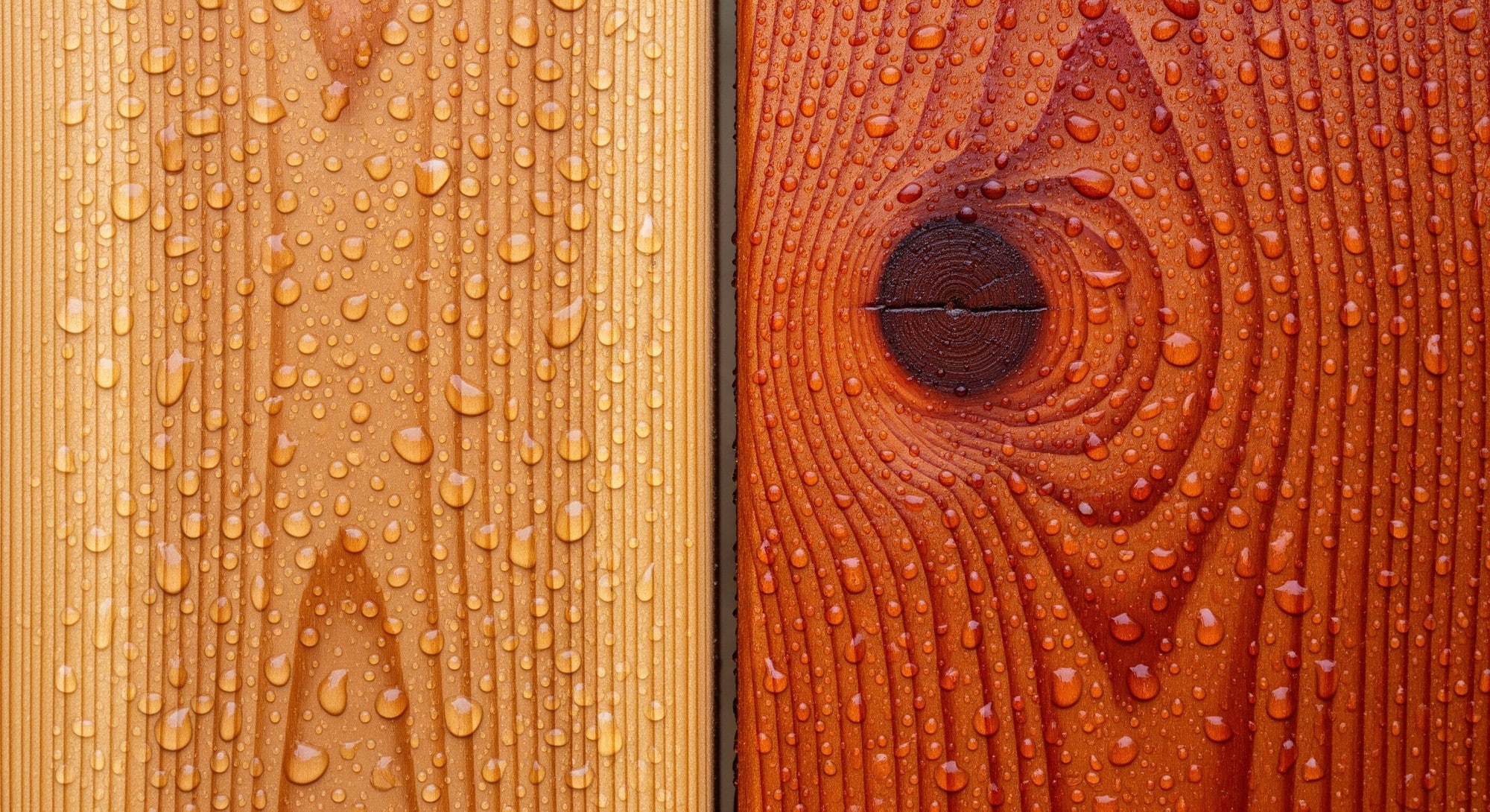
| Appearance | Warm golden/red tones | Rich deep red tones |
| Best Value in WA | Excellent | Good |
Cedar vs Redwood Fences: Washington State Buyers Usually Choose Cedar for Value
While redwood is highly respected, cedar often wins in Washington because it balances durability, cost, and local availability.
How Cedar Performs in Washington Winters
Cedar has long been one of the most popular fencing materials in Washington.
Why Contractors Recommend Cedar
- Naturally resistant to decay
- Handles moisture better than many softwoods
- Stable compared to cheaper lumber
- Readily available in the Pacific Northwest
- Accepts stain well
- Lower cost than redwood
Lifespan in Washington
A properly installed cedar fence often lasts
- 15–20 years with standard maintenance
- 20–25+ years with premium materials and consistent sealing
Homeowners considering cedar fence installation in Seattle, WA, will find that cedar fits the local climate and architectural style well.
How Redwood Performs in Washington Winters
Redwood is known for beauty, dimensional stability, and natural tannins that help resist rot and insects.
Strengths of Redwood
- Excellent natural durability
- Less shrinkage in many conditions
- Premium upscale appearance
- Strong resistance to warping when quality grade is used
Lifespan in Washington
A well-maintained redwood fence may last:
- 18–25 years
- Sometimes longer with ideal drainage and premium grades
Main Challenge
Redwood is typically more expensive and less common in Washington than cedar.
Which Wood Lasts Longer in Wet Conditions?
If all variables are equal—quality grade, installation, maintenance, and drainage—redwood may have a slight edge in raw durability.
However, real-world fence life depends heavily on:
- Post-installation quality
- Soil drainage
- Fastener quality
- Sun exposure
- Maintenance consistency
- Grade of lumber purchased
Practical Reality
A premium cedar fence installed correctly often outlasts a lower-grade redwood fence installed poorly.
Cost Comparison in Washington State
Material pricing changes with supply chains and lumber markets, but cedar usually costs less.
| Fence Type | Estimated Installed Cost |
|---|---|
| Standard Cedar Privacy Fence | $45–$75 per linear foot |
| Premium Cedar Fence | $65–$95+ per linear foot |
| Standard Redwood Fence | $65–$95 per linear foot |
| Premium Redwood Fence | $90–$130+ per linear foot |
Seattle and Bellevue labor rates may exceed smaller towns.
Appearance: Which Looks Better?
Appearance is subjective, but both woods are attractive.
Cedar Look
- Warm honey to reddish tones
- Rustic Northwest character
- Ages to soft gray if unstained
Redwood Look
- Richer red and brown tones
- Premium luxury appearance
- Elegant grain pattern
For modern homes or higher-end landscapes, redwood can make a strong visual statement.
Maintenance Requirements
Cedar and redwood fences require similar levels of care.
Recommended Routine
- Wash dirt and moss annually
- Re-stain or seal every 2–4 years depending on exposure
- Keep sprinklers off boards
- Remove leaves trapped at base
- Check loose hardware after storms
Biggest Lifespan Threat
Constant ground contact and poor drainage cause more failures than the wood species itself.
Best Choice for Western Washington vs Eastern Washington
Western Washington (Seattle, Tacoma, Everett, Olympia)
Higher rainfall and moisture levels favor naturally durable woods.
Best Value: Cedar
Premium Upgrade: Redwood
Eastern Washington (Spokane, Tri-Cities)
Drier conditions reduce rot pressure but may increase cracking and UV wear.
- Best Value: Cedar
- Luxury Appearance: Redwood
Environmental and Supply Considerations
Cedar is commonly sourced in the Pacific Northwest and Canada, often making logistics easier. Redwood typically travels farther from California supply channels.
That can affect:
- Material cost
- Delivery timing
- Replacement board matching later
For homeowners who value local familiarity and easier sourcing, cedar often has an advantage.
When Redwood Is Worth the Extra Cost
Redwood may be worth it if:
- You prioritize premium curb appeal
- Budget is less sensitive
- A fence is a centerpiece design element
- You want top-tier natural wood prestige
Homeowners can consult with local fencing contractors such as Rare Bears Fencing when comparing premium wood grades for projects where appearance is as important as durability.
When Cedar Is the Smarter Buy
Cedar is usually the best overall decision if:
- You want strong value per dollar
- You need a larger perimeter fenced
- You want easier maintenance support locally
- You prefer a classic Northwest look
- You want excellent winter performance without premium pricing
For most Washington households, cedar is the more practical choice.
Common Mistakes Buyers Make
Avoid these errors:
- Buying based only on wood name, not grade
- Ignoring post material and drainage
- Choosing cheapest installer
- Skipping stain/seal maintenance
- Letting soil touch fence boards
- Assuming redwood never needs care
Professional installation quality often matters more than species marketing.
Should You Use Steel Posts With Wood Panels?
Many modern builds combine cedar or redwood boards with steel posts.
Benefits
- Reduced post rot risk
- Straighter fence lines over time
- Longer structural life
- Stronger wind resistance
This can be an excellent upgrade in wet Washington climates.
Conclusion
For most homeowners comparing cedar vs redwood fence Washington State options, cedar is the best balance of durability, availability, winter performance, and cost. Redwood can offer slightly longer lifespan potential and a richer appearance, but the premium price is not always justified for average residential projects. According to the USDA Forest Service, both western red cedar and redwood heartwood are classified among the most decay-resistant wood species, lasting more than 20 years above ground. In Washington’s wet climate, the real keys to long fence life are quality lumber, proper drainage, solid posts, and regular maintenance.
FAQ Section
1. Does redwood last longer than cedar in Washington?
Potentially yes in ideal conditions, but the difference is often smaller than expected. Installation quality and maintenance usually matter more.
2. Why is cedar more common in Washington fencing?
Cedar is widely available, suits Pacific Northwest weather, and usually costs less than redwood.
3. Which wood resists rot better?
Both woods naturally resist decay better than many alternatives. Redwood may have a slight natural edge, depending on grade.
4. Is redwood worth the extra money?
It can be if you prioritize appearance and premium materials. For practical value, cedar often wins.
5. How long should a cedar fence last in Seattle?
A properly installed and maintained cedar fence commonly lasts 15–25 years depending on exposure and upkeep.


