
Choosing the right cabinets for kitchen remodeling in Bothell, WA, is critical because Washington’s humid, rainy climate directly impacts cabinet lifespan. Moisture from the Pacific Northwest can cause swelling, warping, mold growth, and premature breakdown—especially in lower-quality cabinetry.
The best approach is to prioritize moisture-resistant materials, proper sealing, and ventilation planning from the start of your remodel. In Bothell and surrounding Seattle-area cities, homeowners typically see the best long-term performance from plywood cabinet boxes, marine-grade finishes, and soft-close hardware that reduces structural stress over time.
Cabinets are not just a design choice—they are a long-term investment affected by local weather conditions. In Washington homes, especially older properties, humidity levels often stay higher year-round compared to drier states. That means even small material weaknesses can turn into costly replacements within a few years if the wrong cabinetry is installed.
This guide breaks down exactly what materials, finishes, and construction methods work best in Washington homes, along with practical contractor-level insights used in real remodeling projects across Snohomish and King County.
Why Washington’s Climate Matters for Cabinet Selection
The Pacific Northwest climate plays a direct role in kitchen durability. In Bothell, average annual rainfall exceeds 37 inches, and indoor humidity often remains elevated during fall and winter months. That moisture slowly penetrates low-quality cabinet materials.
Designing a home in a humid climate means every material choice matters, from cabinetry to wall finishes.
Key risks include:
- MDF swelling when exposed to humidity
- Peeling laminate edges
- Mold growth behind sink cabinets
- Warping in poorly sealed wood doors
- Adhesive breakdown in cheap prefab units
Cabinets in this region must be selected with moisture resistance as a core requirement—not an upgrade.
Industry Insight: Moisture Exposure vs Cabinet Lifespan
| Cabinet Type | Average Lifespan in WA Climate | Moisture Resistance |
|---|---|---|
| Particle Board | 5–8 years | Low |
| MDF | 7–10 years | Medium-Low |
| Plywood (Sealed) | 15–25 years | High |
| Solid Hardwood | 20–30 years | High (with sealing) |
Proper installation and ventilation can extend these lifespans significantly.
Best Moisture-Resistant Cabinet Materials for Bothell Homes
When planning a kitchen remodel in the area, material selection is the foundation of durability. Contractors in Washington consistently recommend the following:
1. Marine-Grade Plywood Cabinets
These are engineered to resist moisture penetration and delamination. They perform well under sink areas and exterior wall cabinets where condensation is common.
2. Thermofoil with High-Heat Resistance
Modern thermofoil has improved bonding strength, making it more stable in humid kitchens than older versions. However, it should be avoided near high-heat zones like ovens.
3. Solid Wood with Protective Sealants
Maple, oak, and birch cabinets perform well when properly sealed with polyurethane or conversion varnish. Without sealing, they absorb moisture quickly.
4. Stainless Steel Cabinet Accents
While not common for full kitchens, stainless steel bases or frames are becoming popular in high-end remodels for moisture-prone zones.
Homeowners planning their remodel can discuss material options with Bothell kitchen remodeling experts to evaluate which choices fit both budget and long-term performance goals. In real renovation projects, material mismatches are one of the most common causes of early cabinet failure in Washington homes.
Smart Construction Features That Prevent Moisture Damage
Material choice alone is not enough. Construction details determine how well cabinets survive in humid environments.
Key Moisture-Protection Features:
- Fully sealed cabinet edges (not just exposed veneer)
- Raised toe-kicks for airflow circulation
- Waterproof backing panels behind sink cabinets
- Silicone-sealed joints at countertop interfaces
- Soft-close hinges to reduce structural stress
- Elevated dishwasher gaps to prevent steam damage
Contractor Note from Real Projects
In Bothell homes near forested areas, condensation build-up is often observed behind base cabinets during winter. Adding a vapor barrier behind exterior walls reduces long-term swelling risk by nearly 40% in remodel case studies.
Renovation companies such as Solid Kitchen & Bath integrate both design and moisture-control engineering during project planning stages. These details are often missed in DIY or budget remodels, leading to premature cabinet failure within 5–7 years.
Cabinet Finishes That Perform Best in Humid Conditions
Finishes act as the first line of defense against moisture. In Washington kitchens, this layer is just as important as the cabinet material itself.
Best-performing finishes include:
- Catalyzed conversion varnish (commercial-grade durability)
- UV-cured acrylic finishes (low maintenance, high resistance)
- High-pressure laminate (HPL) for modern kitchens
- Water-resistant painted finishes with sealant base coats
Finishes to Avoid:
- Unsealed natural wood
- Low-grade spray lacquer
- Thin vinyl wraps in sink zones
A common question in local kitchen remodeling projects is whether painted cabinets hold up. The answer is yes—but only when a moisture-sealing primer is applied underneath. Without it, paint will bubble and peel in high-humidity zones within a few years.
Cost vs Durability: What Bothell Homeowners Should Expect
Cabinet pricing in Washington varies significantly depending on material and customization level.
Average Cabinet Costs (Bothell / Seattle Area 2026 Estimates)
- Stock cabinets: $8,000 – $15,000
- Semi-custom cabinets: $15,000 – $28,000
- Custom moisture-resistant cabinets: $25,000 – $50,000+
Moisture-resistant upgrades typically add 10–20% to base pricing but extend lifespan by 2–3 times compared to standard materials.
For homeowners comparing long-term value, investing in higher-quality cabinetry often reduces future replacement costs, especially in moisture-heavy zones like Bothell, Everett, and Shoreline.
Design Choices That Improve Moisture Performance
Design also affects durability. Poor layout planning can trap humidity inside cabinet systems.
Best practices include:
- Installing under-cabinet ventilation strips
- Avoiding floor-to-ceiling sealed cabinet runs without airflow
- Using quartz or sealed stone countertops (non-porous surfaces)
- Keeping sink base cabinets slightly elevated from floor level
These design adjustments help maintain airflow, which is essential in Washington’s damp environment.
The U.S. Department of Energy provides guidance on moisture control strategies that help protect building materials and improve home efficiency.
Maintenance Tips for Long-Term Cabinet Protection
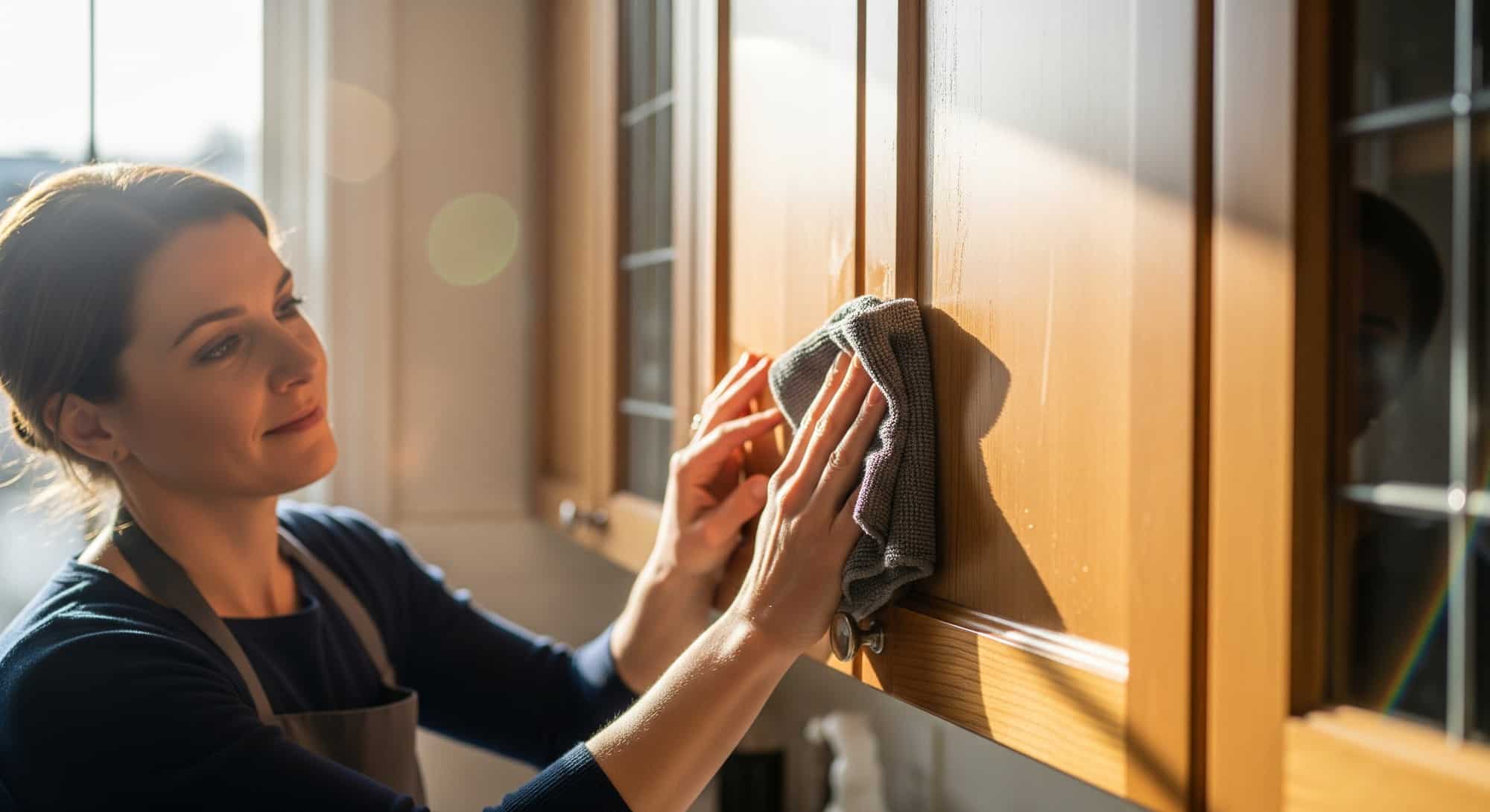
Even high-quality cabinets require maintenance to perform well in humid climates.
Maintenance checklist:
- Wipe sink base cabinets weekly for condensation
- Check silicone seals every 12–18 months
- Run kitchen exhaust fans during cooking
- Avoid long-term standing water under sinks
- Reapply protective coatings every 5–7 years (wood cabinets)
Preventive care can extend cabinet life by 30–50% in Pacific Northwest homes.
Conclusion
Selecting the right cabinets is not just about aesthetics—it is about building long-term resistance against Washington’s moisture-heavy climate. From plywood construction and sealed finishes to ventilation-focused design, every decision impacts durability.
Homeowners who invest in moisture-resistant materials and proper installation methods consistently avoid early cabinet failure and costly replacements. In Bothell and surrounding Seattle-area communities, this approach is the standard for long-lasting kitchen performance.
FAQs
1. What cabinets last longest in Washington’s humid climate?
Plywood and solid wood cabinets with sealed finishes last the longest in Washington. They resist moisture better than MDF or particle board, especially in kitchens with proper ventilation and regular maintenance.
2. Are MDF cabinets a good choice for Bothell kitchens?
MDF cabinets are budget-friendly but less moisture-resistant. In Bothell’s damp environment, they can swell or deteriorate faster unless fully sealed and protected from water exposure.
3. How can I prevent mold under kitchen cabinets?
Prevent mold by sealing gaps, improving airflow, using vapor barriers behind walls, and ensuring sink areas are regularly dried. Proper installation is key in humid climates like Washington.
4. Do custom cabinets perform better than stock cabinets?
Yes, custom cabinets often use higher-grade materials and better sealing techniques, making them more suitable for moisture-heavy environments compared to standard stock cabinets.
5. How often should kitchen cabinets be maintained?
Inspect and clean cabinets monthly, check seals yearly, and reapply protective coatings every 5–7 years for wood-based cabinets to ensure long-term durability.


