
Hydrogen cars have moved from prototypes to real options for a specific group of drivers in 2025. The first plug-in fuel cell model for U.S. consumers introduces at-home charging for short trips, paired with fast hydrogen refueling for long-distance travel. Toyota continues to offer the Mirai with a simplified lineup, while BMW sets a firm timeline for a series hydrogen SUV in 2028. These advances are important, yet public fueling remains concentrated in California, which dictates ownership decisions.
This article is a practical guide for shoppers and technology-focused readers. We explain clearly how fuel cell vehicles (FCEVs) work, identify which models you can actually drive today, and outline the supply and infrastructure milestones that will determine wider adoption. You will see where hydrogen is already practical, where it is likely to expand, and which hurdles remain.
Could a plug-in fuel cell connect electric convenience with long-distance travel freedom?
What must change for hydrogen to expand beyond California?

Hydrogen FCEV Facts for 2025: The Basics
Key Numbers at a Glance
- The Honda CR-V e:FCEV introduces plug-in fuel cell driving for U.S. consumers in California only, with an EPA-rated range around 270 miles on hydrogen plus electric-only driving from the onboard battery.
- The Toyota Mirai continues for model year 2025 with an XLE-only lineup.
- BMW confirms a hydrogen SUV based on the X5 platform with series production from 2028.
- California remains the practical retail market for passenger FCEVs today; check the hydrogen fueling station map and FCEV counts and open stations.
- Heavy-duty applications, such as fuel cell trucks and buses, continue to scale, which helps establish the fueling infrastructure.
- Some policy background for these hydrogen fuel cell electric vehicles is detailed in many carbon capture and hydrogen policy analysis articles for the United States.
Why These Facts Matter
Setting realistic expectations is easier with these points. Knowing where to refuel, which models are available, and how near-term factory plans might influence resale value is a critical factor. The plug-in fuel cell design is important because it adds home charging convenience without sacrificing quick refueling at a dispenser.
How Fuel Cells Differ from Batteries
A fuel cell electric vehicle uses compressed hydrogen to generate electricity onboard, then powers an electric motor. There is no combustion in the motor. Its only tailpipe emission is water vapor. Some designs can even reduce local pollutants; one concept vehicle demonstrated it can filter pollutants from the air as it drives.
A fuel cell stack produces electricity as long as hydrogen flows, and a small battery captures regenerative braking and ensures smooth power delivery.
This is why a hydrogen car can refuel in minutes at a hydrogen dispenser and then drive with the quiet operation of an electric powertrain.
Where Hydrogen Cars are Sold Today
Retail sales are currently focused on California because that is where the retail hydrogen fueling network exists. A few models have been available in limited numbers, most notably the Toyota Mirai and Hyundai Nexo. A new option, the Honda CR-V e:FCEV, adds plug-in capability so drivers can do short trips on at-home charging and longer trips on hydrogen. That design reduces concerns about range for daily errands while keeping fast refueling for road travel.

Honda Introduces America’s First Plug-In FCEV
The Honda CR-V e:FCEV is the first plug-in fuel cell electric vehicle available to U.S. consumers, and it introduces a practical hybrid approach that blends short-range electric driving with fast hydrogen refueling. The powertrain pairs a fuel cell stack with a rechargeable battery pack.
Drivers can plug in at home to cover daily errands using electricity, then refill with compressed hydrogen for longer trips. This dual-energy model reduces range concerns, supports flexible trip planning, and improves the ownership experience for early adopters.
What Plug-In FCEV Changes for Real-World Driving
Home Charging for Daily Miles
Plug-in capability lets owners complete short commutes and local errands using electricity from a standard at-home charging setup, as outlined in Honda’s announcement. The vehicle can start the day with a full battery, which reduces hydrogen consumption during the week.
Fast Hydrogen Refueling for Road Trips
When the trip extends past the battery’s electric-only range, drivers refuel at a hydrogen dispenser in minutes. See the hydrogen fueling station map to locate nearby dispensers. A full tank restores long-range capability quickly, which keeps the experience similar to a traditional refueling stop while delivering the quiet operation of an electric motor.
Who This Vehicle Fits Today
Drivers who live near open and reliable hydrogen stations will gain the most value from this model. The plug-in design is also ideal for households that can charge at home and want the convenience of quick refueling for weekend travel.
Key Specs And Ownership Details To Watch
Range, Battery Use, and Efficiency
Expect an EPA-rated range around 270 miles on hydrogen, plus an electric-only buffer from the onboard battery sufficient for short trips.
Leasing, Warranty, and Fuel Offers
Hydrogen cars are often offered through lease programs that bundle maintenance and a fuel credit, detailed in Honda’s CR-V e:FCEV announcement. It is important to review the lease terms, warranty coverage, and roadside assistance.
Toyota Mirai 2025: A Reality Check on the XLE-Only Lineup
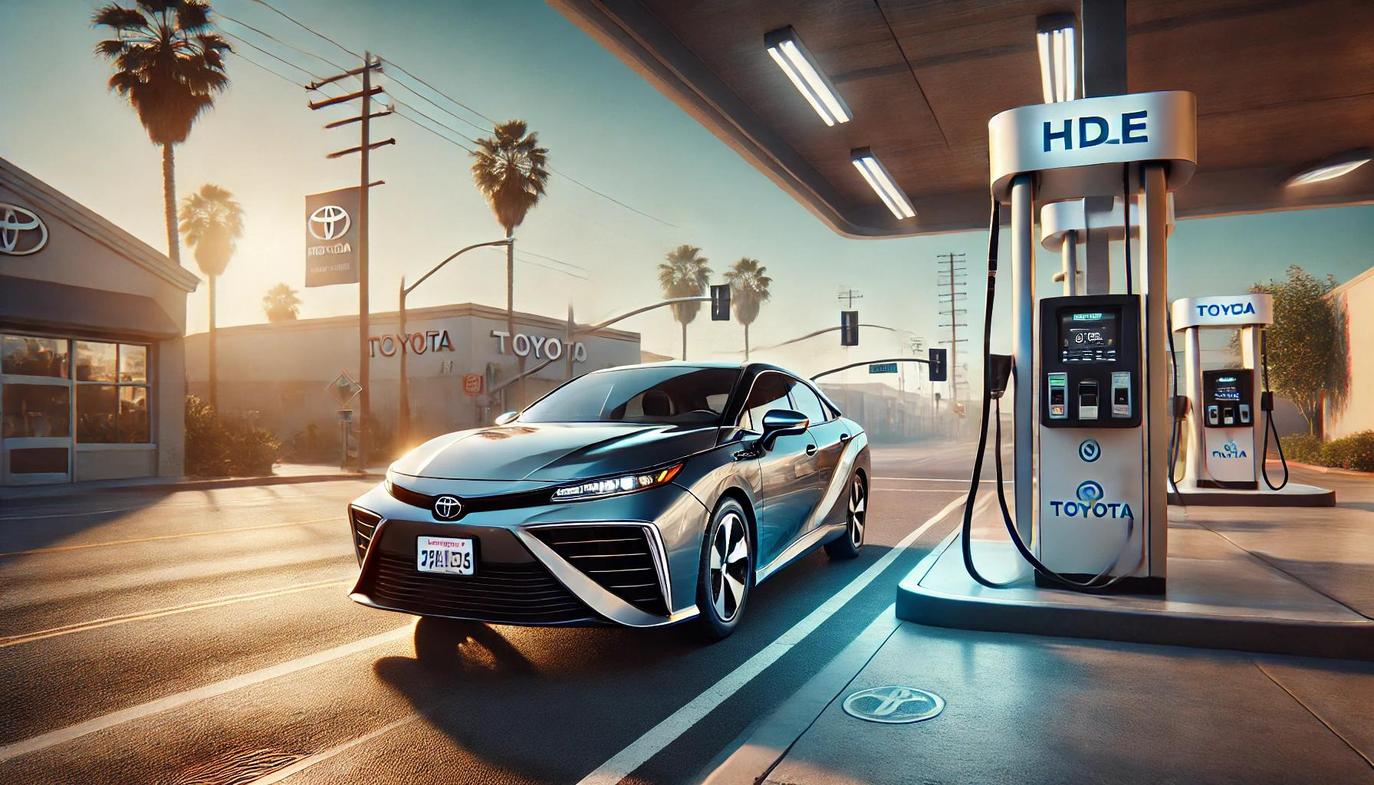
Toyota continues the Mirai program with a simplified XLE-only lineup for model year 2025. The change suggests a focus on a primary, high-value configuration and predictable ownership in the markets that can support hydrogen refueling. The Mirai remains a comfortable hydrogen sedan with a reliable fuel cell stack and a smooth powertrain, a model which has even been adapted into a Mirai Popemobile. The primary constraint continues to be access to stations that are operating consistently.
What The XLE-Only Strategy Signals
Streamlining For A Smaller Market
Reducing the lineup to a single trim indicates a strategic decision to keep the program efficient while infrastructure grows. Buyers can expect a more straightforward configuration and fewer options during ordering.
Where The Mirai Makes Sense
The Mirai is most practical for drivers who live near California stations and who travel predictable routes that pass an open dispenser. Fleet or commuter patterns, such as high-use taxi services, that use the same corridor are ideal, as drivers become familiar with station performance.
Practical Ownership Considerations
Check available incentives, service coverage, and the brand’s long-term support for fuel cell systems. Track station uptime statistics in your area to ensure your daily routine is not disrupted.
BMW Confirms 2028 Series Production for Hydrogen SUV
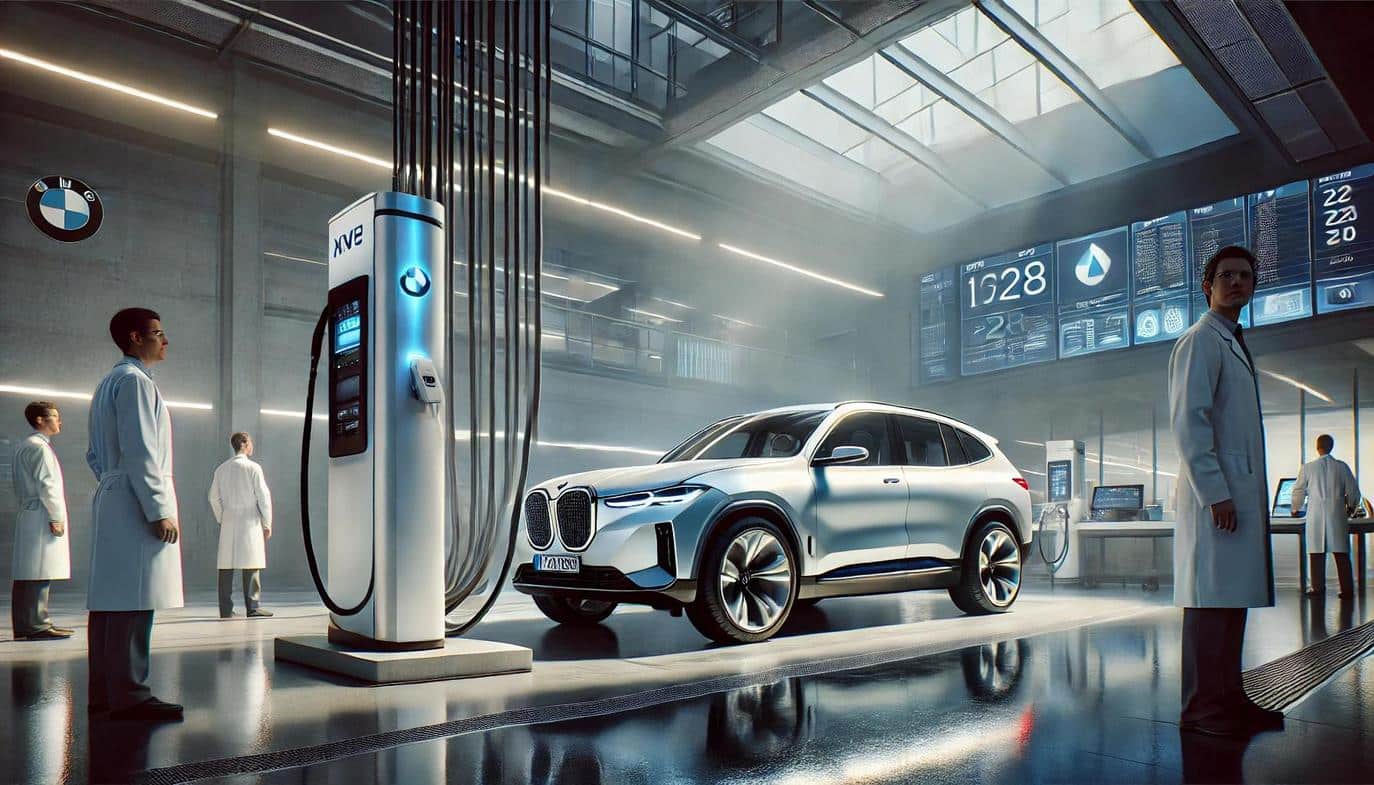
BMW has stated that a hydrogen SUV derived from the X5 platform is targeted for series production starting in 2028. This is a significant step that advances the technology beyond pilot fleets. A firm date matters because it influences supplier readiness, charging and fueling partnerships, and consumer confidence that the technology will move from test programs into showrooms.
Why A Dated Roadmap Matters
From Demonstrators To Deliveries
Pilot fleets validate stack durability, cold-start behavior, and real-world efficiency, which are key components of BMW’s hydrogen fuel cell technology overview. Committing to a production year signals that BMW has a clear plan for manufacturing scale and certification pathways, as confirmed in the BMW iX5 Hydrogen press statement and covered by Reuters.
Market Position and Customer Fit
A hydrogen SUV in the luxury segment will likely emphasize long-distance travel convenience and quick refueling, which differentiates it from battery-electric models.

The Refueling Reality: California Remains the Core Market
Passenger hydrogen refueling in the United States remains concentrated in California, where past automaker investments helped build the initial network. Most open stations are in metropolitan areas and along key commuting corridors. This geographical reality shapes model availability and lease terms. Shoppers outside California should assume limited access.
Even within California, the best experience comes from mapping reliable stations near home and work before committing to a lease.
Making The Network Work For You
Plan Routes Around Reliable Stations
Use the hydrogen fueling station map and recent user reports to identify sites with high operational reliability. Prioritize routes with at least two viable stations to avoid being dependent on a single station.
Understand Fill Times and Pressure Levels
Hydrogen refueling is swift when stations are operating at the correct temperature and pressure. For status notes, see the California Energy Commission hydrogen station list. Learning how to read dispenser screens and understanding typical fill behavior will make ownership less stressful.
Hyundai Nexo: A CA-Only Model with Recall Context
The Hyundai Nexo remains a California-market vehicle. It is important for shoppers to be aware of the model’s recall history (see NHTSA data) and confirm that any required updates have been completed on the specific vehicle they are considering. While the Nexo offers quiet electric driving and a practical crossover layout, long-term satisfaction hinges on station access and transparent manufacturer support.
What Buyers Should Verify
Availability, Support, And Software Updates
Buyers should ask the dealer to provide documentation on recall status, software updates, and any fuel credit offers. Confirm nearby service centers with technicians trained on fuel cell systems.
Real-World Use Case Fit
The Nexo is practical for drivers with predictable routes and access to dependable stations, such as for suburban commuting or school runs within a known network.
Market Contraction: Stellantis Pauses Hydrogen Van Program
Stellantis has paused or exited its light commercial hydrogen projects in key markets. The company cited infrastructure and cost realities that impede near-term scaling. The Stellantis decision illustrates that hydrogen adoption will not be uniform across brands or segments, especially where retail infrastructure is not mature.
What This Means For The Market
Signals For Fleet Buyers
Examining the total cost of ownership, station proximity, and a guaranteed fuel supply is essential for fleet managers before committing to hydrogen in light commercial vehicles. Some use cases may be better served by battery-electric vans in the near term while hydrogen refueling networks grow.
Why Pullbacks Can Still Help Progress
These corporate pullbacks identify the specific areas that require improvement. Better station reliability, multi-brand fueling standards, and predictable fuel pricing will eventually attract additional manufacturers.

The Clean Hydrogen Supply Chain: Production and Scale
Hydrogen cars are dependent on their fuel supply chain. The availability and cost of clean hydrogen influence which models are sold, where stations open, and the reliability of the refueling experience for drivers.
Where The Fuel Comes From
Hydrogen can be produced in several ways. Green hydrogen uses renewable electricity to split water in an electrolyzer, a process central to the green hydrogen supply chain. That route avoids direct fossil inputs and supports climate targets. Blue hydrogen pairs natural gas reforming with carbon capture to reduce emissions.
The cleaner the upstream production, the stronger the long-term justification for hydrogen mobility in regions pursuing significant decarbonization.
Green Hydrogen Basics
Electrolyzers split water into hydrogen and oxygen. When powered by wind or solar, that hydrogen is called green. Production occurs at dedicated plants or near industrial users.
Electrolyzer Scale and Costs
Large projects aim to lower cost through scale and steady utilization. Large electrolyzer farms operate when renewable power is abundant.
Production Landmarks to Watch
Several facility-level milestones indicate a stronger supply in the mid-term.
A Mega Project Nears The Finish Line
The NEOM green hydrogen project is reporting significant construction progress across wind, solar, and hydrogen facilities.
Europe’s Big Electrolyzer
One of Europe’s largest electrolyzer projects, Holland Hydrogen I, is nearing commissioning with a 200-megawatt scale.
North American Production Nodes
A Georgia plant has achieved new monthly production records for liquid hydrogen using Plug electrolyzers, and a Louisiana joint venture unit has added 15 tons per day of liquefaction capacity on the Gulf Coast.
Direct Refinery Integration
A Danish project has begun deliveries of green hydrogen to a nearby refinery via Everfuel’s HySynergy, a practical step that helps decarbonize fuels while developing expertise for broader markets.
A renewable hydrogen plant in Fukushima, once the world’s largest, continues to provide a model for scaling green H2.

Key Market Signals for Hydrogen Adoption
This section highlights near-term markers that will indicate if hydrogen cars are achieving practical adoption.
The First Plug-In Fuel Cell Lease Experience
The most important feedback will be how drivers use the Honda CR-V e:FCEV in daily life. Pay attention to feedback on at-home charging convenience, real-world hydrogen range, and station availability.
Toyota’s Program Signals
Toyota’s decision to streamline Mirai to XLE-only suggests a focus on essential features and predictable ownership. Drivers should monitor updates on incentives, warranty support, and station uptime metrics.
BMW’s Milestone From Pilots To Series Production
BMW’s target for series production in 2028 provides a clear timeline. Monitor supplier announcements, stack durability results, and region-specific retail plans.
California Station Uptime And New Openings
Station reliability and new locations are more important than raw station counts. Look for consistent dispenser operation, faster fill times, and a broader spread of sites across commuting corridors. Track station uptime data and new station openings in California to monitor this progress.
Heavy-Duty Momentum Spillover
As heavy-duty applications like fuel cell trucks, buses, passenger trains, and maritime installations scale, passenger vehicles will gain access to shared supply and service.
Policy And Incentives That Drive Adoption
Targeted credits and infrastructure support are crucial for stabilizing early markets. Monitor federal guidance, state-level programs, and local clean air incentives.
Upstream Projects Reaching Commissioning
When large plants reach steady output, station operators are more likely to expand. Follow commissioning milestones for major electrolyzer sites and carrier-based exports.
Alternative Storage and Tech
Finally, monitor developments in alternative hydrogen storage beyond compressed gas. Novel methods, such as hydrogen fuel paste, could eventually offer new options for portability and infrastructure if they move beyond the research phase.

The State of Hydrogen Cars in 2025
Hydrogen cars in 2025 represent a tangible, advanced technology with distinct strengths, particularly in fast refueling and smooth, electric-powertrain driving. The introduction of the plug-in fuel cell model by Honda is a practical advancement, offering at-home charging for daily trips. However, the ownership experience remains defined by a straightforward limitation: the public fueling infrastructure is almost exclusively concentrated in California. This reality keeps the FCEV market regional for now, with manufacturers like Toyota and Hyundai concentrating their efforts there.
Wider adoption depends entirely on infrastructure reliability and the scaling of clean hydrogen production. As heavy-duty trucking and projects like those from BMW (targeting 2028) push development, the passenger market will benefit. For the curious driver in California, a hydrogen car is a viable option today, especially with a plug-in hybrid. For everyone else, FCEV technology remains a future development to watch, pending the expansion of reliable, green hydrogen fueling.
A Practical Path for Curious Drivers
If you live near reliable stations and are considering an FCEV, follow these practical steps:
- Test Drive: Test how a hydrogen car suits your daily routine and driving style.
- Compare Costs: Calculate the total cost of ownership, including lease terms, bundled fuel credits, and maintenance.
- Map Your Network: Use a reliable hydrogen fueling station map to confirm dependable access near your home and work before you sign a lease.
Reader Checklist
- Always confirm station access on your most common routes using reliable station data.
- Always ask for transparent details on fuel credits, warranty, and roadside support.
- Take a long test drive that includes a real refueling stop.
- The policy context for this technology includes carbon capture and hydrogen policy analysis, while the broader energy landscape involves e-fuels for shipping and aviation and a new ammonia and e-fuels overview.
- This broader perspective includes the global race in hydrogen vehicles, the BMW hydrogen X5 development timeline, the unique Mirai Popemobile, and even hydrogen hypercar concepts.


