
The future of connectivity is rapidly evolving, and at the heart of this transformation lies the embedded SIM, or eSIM. Unlike traditional SIM cards, eSIMs are built directly into devices, offering a new level of flexibility and convenience. As more smart devices adopt eSIM technology, the opportunities for innovation and seamless connectivity grow exponentially.
In this article, we’ll explore how eSIMs are revolutionizing the tech landscape, the benefits they offer, and what this means for the next generation of smart devices.

What is an eSIM and How Does It Work?
To understand the impact of eSIMs, it’s essential to grasp what they are and how they function.
- Embedded SIM (eSIM): Unlike traditional physical SIM cards, an eSIM is a small chip embedded within a device. It’s reprogrammable, allowing users to switch carriers without needing to replace a physical card.
- Remote Provisioning: eSIMs can be activated remotely by mobile carriers, allowing users to switch networks or activate new plans with just a few taps on their device.
- Multiple Profiles: eSIMs support multiple profiles, meaning a single device can be connected to multiple networks simultaneously ideal for frequent travelers or those managing multiple numbers.
The eSIMs eliminate the need for physical SIM cards, simplifies the process of switching carriers, and offers flexibility for managing mobile connectivity. This advancement is particularly beneficial for travelers and businesses in global markets like France, where staying connected across borders is essential.
With eSIM France, users can effortlessly activate local data plans, avoiding the hassle of changing SIM cards or incurring roaming charges. Additionally, options like eSIM Albania make it even more convenient for travelers visiting multiple countries to manage their mobile connectivity seamlessly.
Before transitioning to an eSIM, check whether your device and preferred carrier support this technology. Understand the security features associated with eSIMs, such as remote lock and wipe capabilities, which can protect your data if your device is lost or stolen.

The Benefits of eSIMs for Consumers and Businesses
eSIMs offer numerous advantages to both consumers and businesses, offering more than just convenience.
- Seamless Connectivity: With eSIMs, users can easily switch carriers or activate new plans without visiting a store or waiting for a new SIM card to arrive.
- Space-Saving Design: eSIMs take up less space inside devices, allowing manufacturers to create slimmer, more compact designs or add additional features.
- Global Roaming: eSIMs simplify global travel by allowing users to switch to local carriers without the hassle of swapping SIM cards or reducing roaming charges.
- Cost Efficiency: For businesses, eSIMs can reduce the logistical costs associated with managing physical SIM cards while offering the flexibility to quickly adjust mobile plans as needed.
The flexibility and efficiency offered by eSIMs make them an attractive option for consumers and businesses alike, promoting greater freedom in managing mobile connectivity.
Best Practices for Leveraging eSIMs
- Optimize Plans: Take advantage of the ability to switch between carriers or plans to find the most cost-effective options for your needs. This principle extends to all forms of connectivity, including seeking value in options like unlimited NBN plans for home internet, just as eSIMs offer flexibility for mobile data.
- Educate Users: Businesses should educate employees and customers about the benefits of eSIMs, ensuring a smooth transition from traditional SIM cards.
- Utilize Dual Connectivity: For devices with dual SIM capabilities, consider using eSIM in conjunction with a physical SIM to maximize connectivity options.
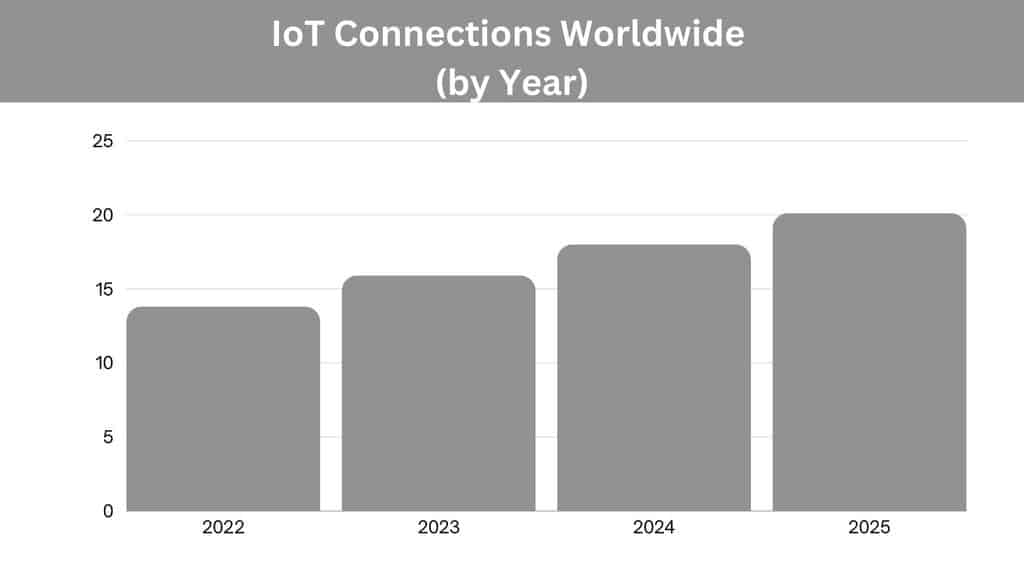
The Role of eSIMs in the Next Generation of Smart Devices
As the Internet of Things (IoT) continues to expand, eSIMs are playing a crucial role in connecting a wide array of smart devices.
- Wearables: Smartwatches, fitness trackers, and other wearable devices increasingly rely on eSIMs for connectivity, enabling users to stay connected without needing a paired smartphone nearby.
- Connected Cars: eSIMs are becoming standard in connected vehicles, providing seamless access to navigation, entertainment, and emergency services without requiring a physical SIM card.
- Smart Home Devices: From security cameras to smart thermostats, eSIMs enable remote management and monitoring, simplifying setup and enhancing device functionality.
- Industrial IoT: In industries like manufacturing and logistics, eSIMs facilitate the deployment of IoT devices that require reliable connectivity across multiple locations.
The adoption of eSIMs across various smart devices is driving the evolution of the IoT, making it easier to deploy, manage, and scale connected solutions.
Best Practices for Integrating eSIMs in Smart Devices
- Ensure Compatibility: When developing or purchasing smart devices, verify that they support eSIM technology to future-proof your investment.
- Plan for Scalability: For businesses deploying IoT solutions, use eSIMs to scale connectivity easily across multiple devices and locations.
- Focus on Security: Implement strong security protocols to protect eSIM-enabled devices from unauthorized access and data breaches.

Challenges and Considerations in Adopting eSIM Technology
While eSIMs offer numerous benefits, there are challenges and considerations to keep in mind when adopting this technology.
- Carrier Support: Not all carriers fully support eSIM technology, which can limit options for consumers and businesses in certain regions.
- Device Compatibility: While eSIMs are becoming more common, not all devices are equipped with this technology, potentially limiting its adoption in the short term.
- User Awareness: The shift from physical SIM cards to eSIMs requires a change in consumer behavior and understanding, which can be a barrier to widespread adoption.
- Regulatory Issues: In some regions, regulatory frameworks for eSIMs are still evolving, which could impact how and where they can be used.
Overcoming these challenges is essential for the widespread adoption of eSIMs, requiring collaboration between carriers, device manufacturers, and regulators.
The Future of eSIMs: What’s Next?
The future of eSIMs is bright, with ongoing advancements poised to make this technology even more integral to our connected world.
- Wider Adoption: As more carriers and device manufacturers embrace eSIM technology, it will become the standard for mobile connectivity, eventually replacing traditional SIM cards altogether.
- Enhanced Security: Future developments in eSIM technology will likely focus on enhancing security features, making it even safer for consumers and businesses to manage their connectivity.
- Broader IoT Integration: eSIMs will continue to drive the expansion of the IoT, enabling the connection of billions of devices across various industries.
- Simplified User Experience: Innovations in user interface and experience will make managing eSIMs even easier, reducing the learning curve and enhancing adoption rates.
As eSIM technology evolves, it will unlock new possibilities for connectivity, transforming how we interact with our devices and the world around us.

eSIM for Smart Device Usage
eSIM technology is unlocking the future of connectivity, paving the way for a new generation of smart devices that are more flexible, efficient and secure. As this technology continues to evolve, it will play a critical role in the expansion of the IoT and the broader digital ecosystem.
Understanding the benefits, challenges, and future prospects of eSIMs, consumers, and businesses can position themselves at the forefront of this exciting transformation. Whether you’re looking to enhance your personal devices or deploy cutting-edge IoT solutions, eSIMs offer the key to unlocking a connected future.
FAQs
What is an eSIM, and how does it differ from a traditional SIM card?
An eSIM is a digital SIM that is embedded directly into a device, eliminating the need for a physical SIM card. Unlike traditional SIMs, eSIMs can be reprogrammed remotely, allowing users to switch carriers or plans easily.
What are the benefits of using eSIMs in smart devices?
eSIMs offer several benefits, including seamless connectivity, space-saving design, easier global roaming, and the ability to manage multiple profiles on a single device.
How does eSIM technology impact the Internet of Things (IoT)?
eSIMs are crucial for the IoT, enabling a wide range of smart devices to stay connected across different networks and locations, which is essential for industries like manufacturing, logistics, and smart home solutions.
Are there any challenges to adopting eSIM technology?
Yes, challenges include limited carrier support, device compatibility, user awareness, and evolving regulatory frameworks. Addressing these challenges is key to widespread adoption.
What does the future hold for eSIM technology?
The future of eSIM technology includes wider adoption, enhanced security, broader IoT integration, and a simplified user experience, making it a central component of the next generation of connected devices.

