
A new proposal put out by The International Chamber of Shipping (ICS) calls for shipping companies to pay a small levy on every ton of fuel they use. It aims to develop zero-carbon vessels within the decade and transform the high-carbon global shipping business into an eco-friendly and sustainable sector.
The earnings from the levy would go towards research and development (R&D) to help the ICS (which represents 80% of the worldwide shipping industry) reach the goal. R&D examples include figuring out how to make big ships that run on hydrogen or ammonia as fuel. At the moment, such vessels are only thought to be technically possible. Funding for the research to push these ideas forward into the development of prototypes could be provided through the ICS’s proposed levy.
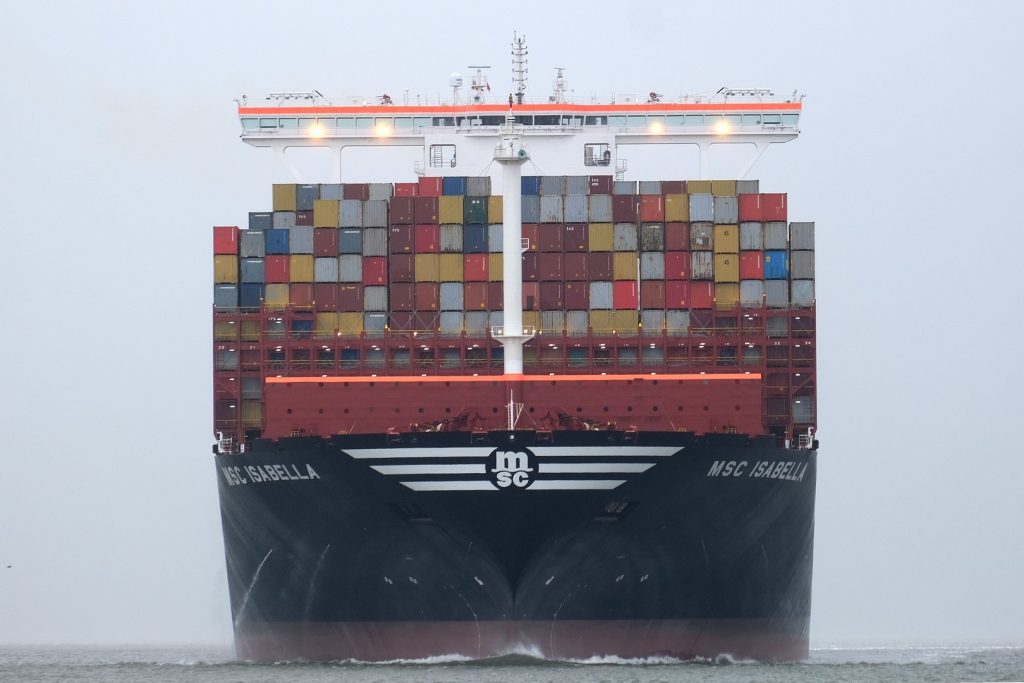
How much would it cost? Just a $2 per ton of fuel consumed by ships. That seemingly small amount would raise $500 million a year! That’s $500 million that would be devoted to R&D of zero-carbon vessels.
Guy Platten, the secretary-general of the ICS, said:
This is a very positive proposal. We need to get to zero carbon [for shipping] and this is a transparent mechanism for raising funds that we need to help us do that. We have worked for years on this with the support of our members.
Considering that fuel costs around $400 a ton and is set to rise to an estimated $600 a ton next year (after the introduction of new regulations on cutting sulfur emissions from ship oil), an extra $2 to help turn the sector green is seemingly nothing! Platten explains that the fuel levy was kept very low so that developing nations would find it affordable as well, but it’s still enough to raise adequate funds for R&D of the next generation of green ships.
The ICS’s deputy secretary-general, Simon Bennett, pointed out that the proposal is a much better option than whatever may come up in the future. As the climate emergency escalates the industry will be forced to cut its greenhouse gas emissions one way or another, this is an easy way to make that happen without any sudden unpleasantries. However, for this to work, Bennett insists the levy plan be mandatory, rather than a voluntary, initiative.
Still, not everyone was sold on the idea that the fuel levy could work. Some campaigners argue that it doesn’t produce concrete reductions in emissions right now.
The chief scientist at Greenpeace UK, Doug Parr, said:
The shipping industry has slipped under the radar of international climate action for way too long. Investing research to create zero-carbon ships is not a bad thing in itself, but it becomes suspiciously close to a delaying tactic if it is not accompanied by clear reduction targets. If the shipping industry wants people to believe this is a serious move, then they should change course and support legally binding targets to cut their planet-warming emissions.
The director of communications and campaigns at T&E, Nico Muzi, said:
That amount is simply ridiculous to spur innovation in the sector nor to be a driver to spur efficiency. If it is $2 per tonne of fuel, it is 42 times less than current CO2 prices in Europe. To rein in long-ignored maritime emissions and make shipping do its fair share, Europe must bring shipping into its carbon market and mandate CO2 standards for all ships calling at its ports.

Shipping and aviation have seen the slowest progress on cutting emissions. Over the last two decades, both sectors have been omitted from global climate talks and commitments on cutting carbon. They have even been left out of national obligations under the 2015 Paris Agreement.
The International Maritime Organisation has only set out to cut its emissions in half by 2050, but their emissions have been steadily rising regardless. To put it into perspective, many countries around the world are seeking net-zero emissions within the same timeframe.
The only way the shipping industry could halve emissions by 2050 would be if a substantial portion of the global fleet were using zero-carbon fuels. Bennet said that the rest of the fleet could be converted afterward to achieve the goal of 100% decarbonization.


