
Brain vitality relies on a constant stream of energy, yet the biological pathways supporting this demand often falter as we age. This metabolic erosion extends beyond simple chronological aging; it originates from the systemic exhaustion of nicotinamide adenine dinucleotide, or NAD⁺, the essential fuel that powers neuronal operation.
Even simple lifestyle changes that improve mental clarity can have a surprisingly large impact on how well that organ performs over time. Without sufficient NAD⁺ levels, the brain’s capacity to maintain cognitive decline protection and cellular energy metabolism begins to erode, leaving neurons vulnerable to environmental and biological stressors.
Groundbreaking investigations now illuminate pathways to fortify these neuronal defenses, highlighting neuroprotective compounds like P7C3 that specifically reactivate the NAD⁺ salvage pathway and neurogenesis.
By understanding how mitochondrial energy brain systems interact with NAD⁺ aging reserves, we can develop more effective strategies for restoring NAD⁺ for memory function. These breakthroughs represent a shift in how we approach aging, moving from passive observation to active intervention in the brain’s internal repair cycles.
Scientific exploration into NAD⁺ brain health demystifies how this coenzyme sustains cognitive vitality while examining the biological consequences of its age-related decline. By focusing on the restoration of energy at the cellular level, emerging therapies aim to protect the brain’s internal machinery for lifelong resilience and intellectual sharpness.
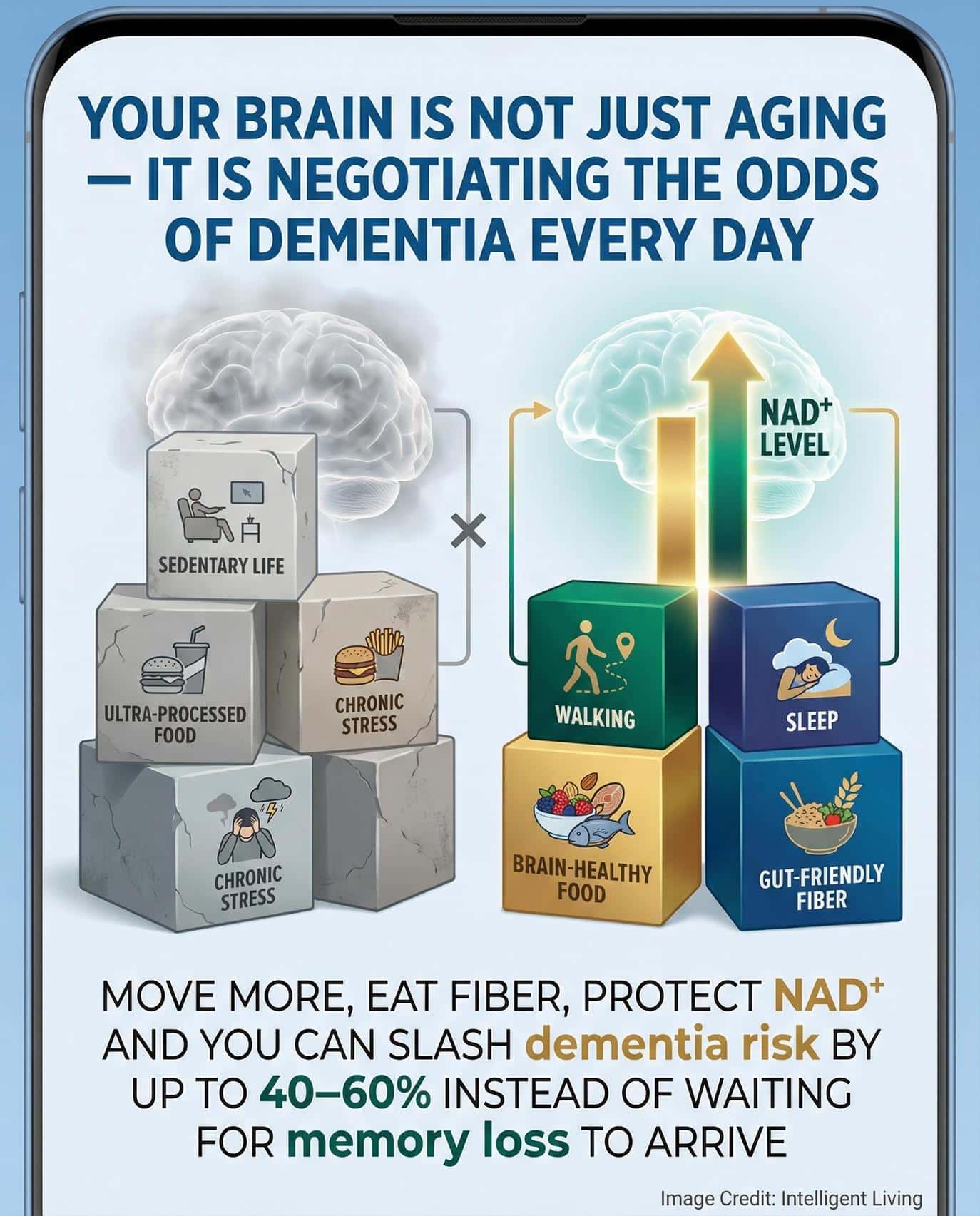
Understanding the Link Between NAD⁺ and Cognitive Vitality
- NAD⁺ is the brain’s energy currency: It fuels mitochondria, the powerhouses of brain cells, allowing neurons to generate ATP, the molecule that drives every electrical and chemical signal.
- Levels of NAD⁺ naturally decline with age: notably within brain regions involved in memory and learning, such as the hippocampus and cerebral cortex.
- Fortifying DNA repair and anti-inflammatory pathways: NAD⁺ shields neurons against the oxidative stress and toxic accumulation that drive neurodegenerative decline.
- Boosting NAD⁺ in animal studies: reversed age-related memory loss and protected against neuron death, though human studies are still catching up.
- Compound P7C3: activates an enzyme known as NAMPT, the rate-limiting step in NAD⁺’s salvage pathway, helping restore lost NAD⁺ and promoting neuron survival in lab experiments.

The Biological Mechanics of NAD⁺ and Mitochondrial Energy in Neurons
Your brain uses roughly 20% of your body’s energy, even at rest. Every neuron relies on NAD⁺ to convert nutrients into usable energy. NAD⁺ acts as a coenzyme in oxidation-reduction reactions, carrying electrons within mitochondria to generate ATP. Without sufficient NAD⁺, neurons experience an energy crisis, making them more vulnerable to stress and degeneration.
Sustaining Cellular Integrity and Genomic Stability
Moving beyond simple fuel delivery, NAD⁺ serves as a vital cofactor for the enzymes responsible for maintaining the brain’s cellular integrity and genomic stability. Sirtuins act as primary guardians of genomic stability and inflammation control, while PARPs (poly ADP-ribose polymerases) execute the critical repairs required for damaged DNA. When NAD⁺ levels are low, these repair and maintenance systems become compromised, accelerating cellular aging and increasing susceptibility to diseases like Alzheimer’s and Parkinson’s.
Enhancing Synaptic Plasticity and Mitochondrial Quality Control
Sustaining NAD⁺ and cellular metabolism within brain cells supports both the energy and adaptability that define a youthful, responsive mind. This process underlies memory formation and learning. By maintaining NAD⁺ levels, neurons can preserve both the energy and connectivity required for a high-functioning nervous system.
Another crucial role of NAD⁺ lies in mitochondrial quality control. When mitochondria become damaged, cells can recycle their components through a process called mitophagy. NAD⁺-dependent enzymes help initiate this process, keeping neurons clean and efficient.
Studies also reveal NAD⁺’s role in regulating SARM1, a protein involved in axon degeneration. By maintaining NAD⁺ stores, neurons can suppress this destructive pathway, preserving their delicate network of connections.
Identifying the Biological Forces Behind Age-Related NAD⁺ Depletion
Aging reduces the body’s ability to produce and recycle NAD⁺. The decline often begins in midlife and becomes more pronounced after age 50. Several mechanisms drive this drop:
- Slower NAD⁺ synthesis: The enzymes that build NAD⁺, such as NAMPT, decrease in activity with age.
- Greater NAD⁺ consumption: DNA damage and chronic inflammation activate PARPs and CD38 enzymes, which consume large amounts of NAD⁺ to repair cells or regulate immune responses.
- Oxidative stress: Over time, reactive oxygen species damage mitochondria, creating a feedback loop that further drains NAD⁺ and weakens energy metabolism.
Detailed assessments of declining coenzyme concentrations in human tissue describe patterns that correlate directly with cognitive performance. The effects of this decline ripple across the brain’s systems. Mitochondria work less efficiently, producing more oxidative damage. DNA repair slows down, allowing mutations to accumulate. Inflammatory microglia become hyperactive, releasing cytokines that damage neurons. These cumulative changes lead to structural shrinkage in the hippocampus. Ultimately, they cause slower information processing and a significantly higher risk of cognitive impairment.
Experimental Approaches to Replenishing NAD⁺ Aging Reserves
Bolstering the cellular NAD⁺ pool effectively mitigates these degenerative outcomes in laboratory settings. Dietary precursors like nicotinamide riboside (NR) and nicotinamide mononucleotide (NMN) can increase NAD⁺ levels in animal and early human studies. While NMN and resveratrol cellular health strategies involving NMN and resveratrol remain part of an experimental landscape, current evidence treats them as investigative tools rather than proven therapies.

Activating Neuron Repair Mechanisms: Insights from the P7C3 Salvage Pathway
Though first recognized for its ability to stimulate neurogenesis—the birth of new neurons—the most promising family of P7C3 neuroprotective chemicals ultimately unveiled a superior mechanism: the reactivation of the brain’s NAD salvage pathway.
The Therapeutic Potential of NAMPT Activation
The NAD salvage pathway represents the primary cellular mechanism for recycling nicotinamide, a vitamin B3 derivative, back into functional NAD⁺ through enzymatic conversion. This process is controlled by the enzyme NAMPT (nicotinamide phosphoribosyltransferase), which acts as the bottleneck in the recycling chain. P7C3 activates NAMPT, effectively opening the gate for more NAD⁺ production inside neurons.
Extensive animal models have demonstrated the profound protective effects of restoring the NAD⁺ salvage pathway through NAMPT activation. Mice and rat models treated with P7C3 compounds exhibited several key neurological improvements:
- Preservation of hippocampal neurons following injury or chronic metabolic stress.
- Maintenance of learning ability in aging subjects through enhanced neurogenesis.
- Stronger synaptic signaling and significantly better performance in spatial memory tests.
- Reduced neuronal loss without requiring the alteration of amyloid plaque levels.
These findings suggest that maintaining the internal energy of brain cells is a primary defense against age-related decay. Although P7C3 has not yet been tested in human trials, its success across multiple animal models provides a clear blueprint for future therapies.
Scientists now view the NAD salvage cycle as a potential master switch for neuron longevity. By maintaining NAD⁺, the brain preserves its ability to repair, adapt, and protect itself under stress. While the journey from lab to life takes time, this line of research reveals how deeply NAD⁺ is woven into the architecture of cognitive health.
Evaluating Clinical Data on NAD⁺ Restoration for Memory Function
While animal models reveal profound benefits from restored NAD⁺ levels, human clinical data suggests a more nuanced and restrained outlook. Clinical trials using nicotinamide riboside (NR) and nicotinamide mononucleotide (NMN) show that these supplements safely elevate NAD⁺ levels in blood and muscle tissues. However, results on cognitive performance have been modest.
In one placebo‑controlled trial of nicotinamide riboside in mild cognitive impairment, NR supplementation increased NAD⁺ in the body but did not produce immediate gains in memory or executive function. Longer studies are underway to determine whether sustained NAD⁺ support can affect cognition.
Bridging the Gap Between Biomarkers and Clinical Results
This restrained outcome aligns with extensive meta-analyses regarding the NAD⁺ and healthy aging science, emphasizing that shifts in metabolic biomarkers often fail to manifest as significant clinical improvements. Clinical evidence confirms that exogenous NAD⁺ supplementation cannot substitute for the core pillars of cognitive health, such as restorative sleep, consistent physical activity, and targeted learning.
For now, the best approach is maintaining the body’s natural capacity to regenerate NAD⁺ through sustainable habits. Supplements may one day complement these pillars, but they do not replace them.

Targeting the Biological Roots of Dementia through NAD⁺ Restoration
Neurodegenerative diseases like Alzheimer’s are defined by complex cascades of cellular failure, and detailed analyses of NAD⁺ biology in brain aging and neurodegenerative disorders suggest that NAD⁺ depletion may be one of the earliest warning signs. Post-mortem studies of Alzheimer’s brains reveal disrupted NAD⁺ metabolism, while animal experiments show that restoring NAD⁺ can protect synapses, reduce neuronal death, and improve learning behavior.
In one 2025 study, scientists enhanced NAD⁺ levels in Alzheimer’s model mice and observed a reversal of cognitive deficits alongside normalized gene expression patterns related to neuron survival, findings reported in a study on NAD⁺-driven metabolic reprogramming in Alzheimer’s models.
Shifting the Focus Toward Energy and Cellular Repair
Despite these promising signals, the clinical application of NAD⁺ therapies remains in the early developmental stages. Parallel work on research that restores memory function in Alzheimer’s disease focuses on the epigenetic modulation of synaptic genes. Additionally, studies of a drug that suppresses brain inflammation and reverses age-related cognitive decline in mice underline how timing and mechanism reshape outcomes across diverse therapeutic strategies.
What excites researchers most is that compounds like P7C3 have shown the ability to preserve neuronal integrity without affecting hallmark Alzheimer’s features like amyloid buildup. This suggests a new therapeutic direction focused on energy and repair rather than plaques and tangles, which could complement emerging tools like tau protein imaging used to predict Alzheimer’s progression for predicting disease progression and new brain scan methods for dementia caused by disease designed to detect dementia in its earliest stages. As clinical research advances, NAD⁺ could emerge as a co-therapy that helps sustain brain function during aging.
Sustainable Lifestyle Strategies for Enhancing Natural NAD⁺ Brain Health
Although NAD⁺-enhancing drugs are still experimental, there are practical, low-cost ways to support the same biological pathways.
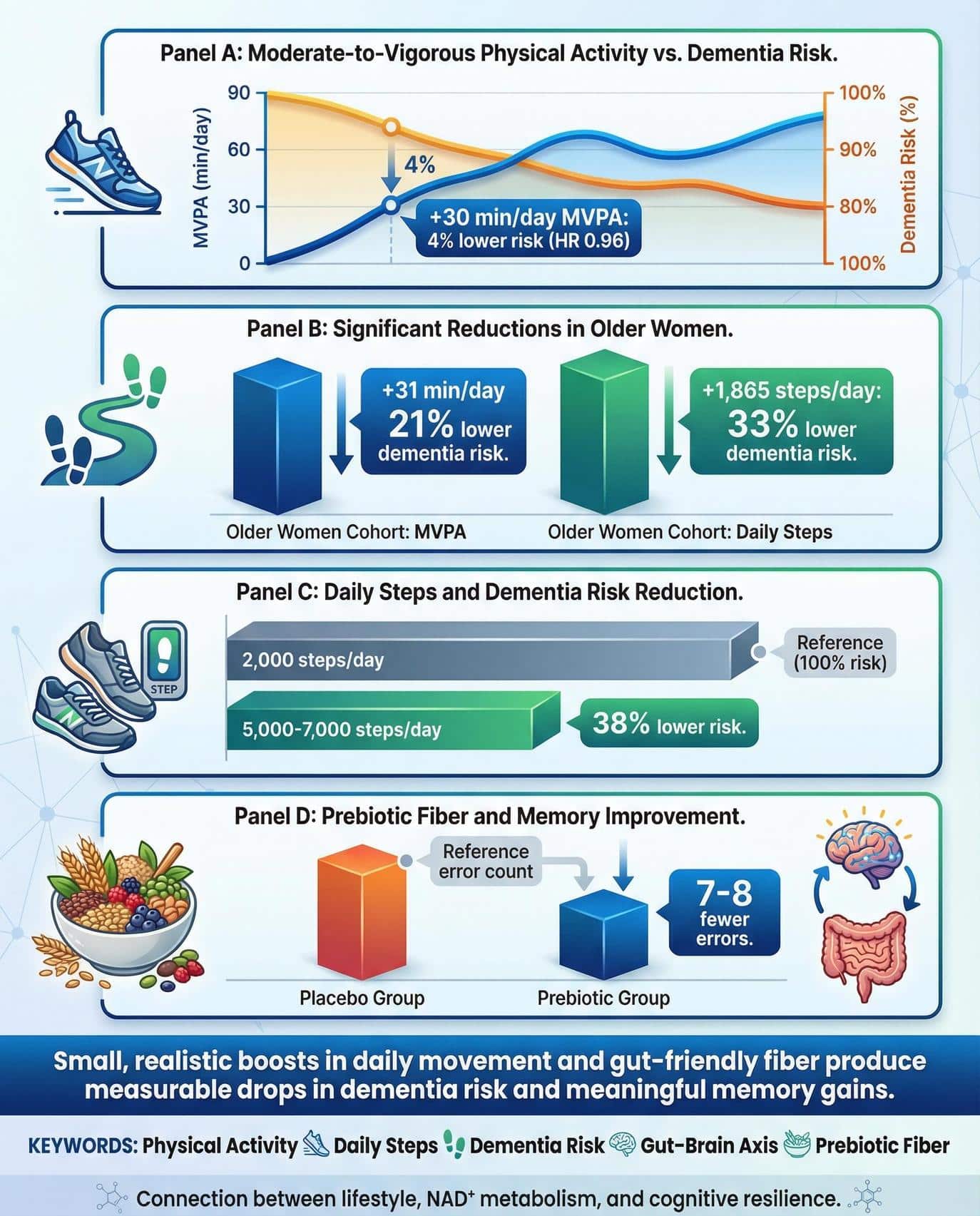
- Stay Physically Active: Regular exercise increases mitochondrial function and upregulates enzymes that participate in NAD⁺ synthesis. Large reviews of exercise benefits for memory and dementia risk highlight the brain-protective effects of consistent movement.
- Prioritize Sleep and Stress Recovery: Restorative sleep allows the brain to reset its metabolic and repair cycles. Prioritizing the science behind burnout and time away from work on the brain is a medical necessity, as restorative rest allows the brain to reset the metabolic and repair cycles that aging otherwise erodes. Taking breaks, meditating, or spending time in nature can help balance stress hormones and protect cellular energy systems.
- Eat for Longevity: Diets rich in whole grains, colorful vegetables, omega-3 fatty acids, and moderate protein intake naturally support NAD⁺ pathways. Caloric moderation and intermittent fasting also appear to raise NAD⁺ levels by promoting cellular recycling processes such as autophagy. Recent twin trials of a cheap fiber prebiotic shown to boost memory in older adults suggest that nourishing the gut–brain axis can gently reinforce these longevity benefits.
- Challenge Your Mind: Engaging in demanding cognitive tasks—such as mastering a new language—strengthens synaptic networks by placing a healthy energy demand on mind-stimulating activities for memory and neuroplasticity.
- Cultivate Social and Emotional Wellness: Meaningful social interaction has been shown to lower inflammation and stress—two forces that erode NAD⁺ reserves. Holistic approaches to senior memory care and emotional wellness emphasize that social interaction and emotional wellness are critical for lowering the inflammation that otherwise exhausts NAD⁺ reserves.
Every one of these practices influences the same networks of metabolism, repair, and resilience that NAD⁺ governs. Long-term adaptations can be seen in research on childhood fitness reducing midlife cognitive decline.

Navigating the Scientific Landscape of NAD⁺ and Cognitive Decline Protection
As interest in NAD⁺ supplementation accelerates, distinguishing verified clinical outcomes from speculative claims becomes paramount for informed decision-making. Brain function is shaped by many overlapping systems beyond a single molecule, especially as research on how healthy gut microbes influence loneliness and wisdom reveals how wisdom and cognitive resilience are shaped by complex biological interdependencies.
Here is what science confidently tells us and what remains unknown:
- Knowns: NAD⁺ is vital for cellular energy, DNA repair, and mitochondrial health. Boosting it improves these systems in animal models and raises measurable levels in humans.
- Unknowns: Whether long-term supplementation prevents or delays dementia, the optimal dose and form, and whether benefits vary by genetics or age.
- Potential Risks: Excessive NAD⁺ activity could interfere with natural cell death processes, and the long-term safety of chronic supplementation has not been fully tested.
When evaluating NAD⁺ claims, focus on peer-reviewed human trials rather than testimonials or influencer marketing. Look for meaningful cognitive endpoints, not just biomarker improvements. Critical perspectives on metabolic brain health and diabetes drugs illustrate the intricate challenges of translating metabolic signaling into tangible cognitive gains.
Fueling Long-Term Cognitive Vitality Through NAD⁺ Restoration
True cognitive resilience emerges from the synergy between cutting-edge science and intentional lifestyle habits, whether through emerging neuroprotective compounds or wellness practices that support sirtuins and genomic stability. Ultimately, the objective remains constant: preserving the energy and adaptability of the human mind. By prioritizing the health of our NAD⁺ aging reserves today, we lay the groundwork for a more vibrant and intellectually sharp tomorrow.
Expert Insights into NAD⁺ Brain Health and Longevity
1. How does NAD⁺ specifically impact cognitive decline protection?
NAD⁺ fuels the repair enzymes and energy cycles that shield neurons from oxidative damage and age-related structural decay.
2. Can neuroprotective compounds like P7C3 restore memory function?
P7C3 assists the NAD⁺ salvage pathway and neurogenesis in animal models, though human clinical trials are necessary to confirm these memory-restoring effects.
3. Why is mitochondrial energy brain health so important as we age?
Mitochondria generate the ATP required for all neural signaling; when energy metabolism fails due to low NAD⁺ levels, cognitive performance drops.
4. What role do sirtuins and genomic stability play in brain aging?
NAD⁺-dependent sirtuins protect DNA and manage inflammation, acting as critical guardians against the biological wear and tear that leads to dementia.
5. How does synaptic plasticity memory benefit from higher NAD⁺ levels?
Optimal NAD⁺ levels ensure neurons have the energy to strengthen synaptic connections, a process fundamental to learning and long-term memory retention.
6. Are intravenous therapy options effective for immediate memory improvement?
While NAD⁺ IV therapy benefits and limitations can elevate levels quickly, current data focuses primarily on symptom relief rather than confirmed dementia prevention.


