
Household pest infestations often begin without warning. Initially, you might notice ants crawling around the sink, hear a faint scratching noise behind a wall, or spot spiders in quiet corners of your home. While these signs may seem minor at first, they often point to a much larger problem developing out of sight.
In large numbers, pests can contaminate food, destroy property, and create uncomfortable living conditions. Many homeowners resort to quick fixes like sprays or traps; however, these are typically short-term solutions that rarely eliminate the root of the problem.
Without an organized approach, pests tend to reappear shortly after treatment. Effective pest control requires a combination of immediate elimination and long-term prevention to solve the problem permanently.
This article outlines efficient methods for eliminating household pests while keeping your home safe and secure for the long term.
1. Inspect Your Home Thoroughly
The first step in eradicating pests is identifying the source of the infestation. Most problems begin in concealed areas, such as basements, crawl spaces, wall voids, or attics. Unless you understand where pests live and how they enter your home, treatment attempts will likely be unsuccessful.
In many cases, homeowners hire professional pest control services to conduct a comprehensive examination and detect activity that may not be visible to the untrained eye.
These inspections typically involve checking access points, moisture-prone areas, and structural gaps where pests can hide or nest. However, you can conduct a basic inspection yourself before calling in the experts.
2. Limit Food and Water Access
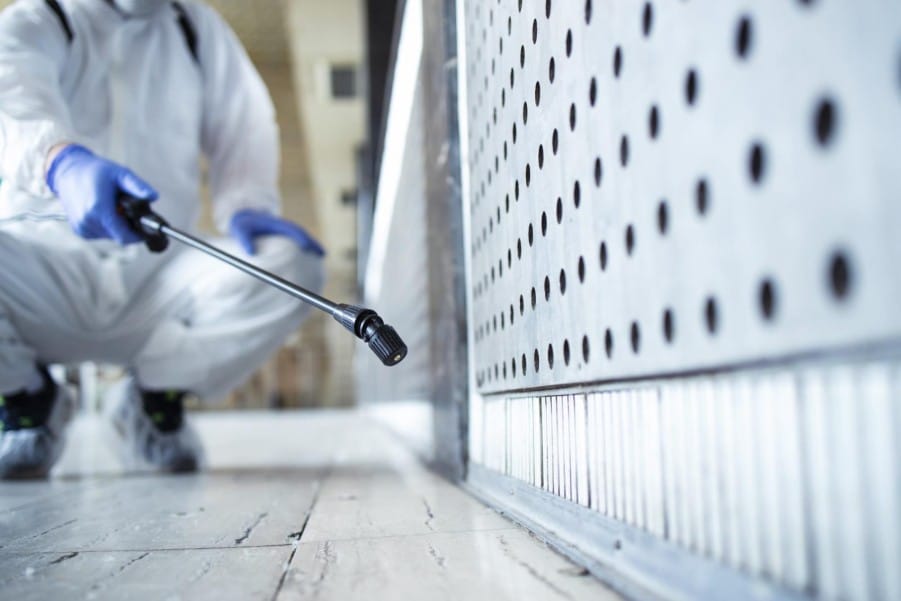
Pests gravitate toward areas where food and water are easily accessible. Consequently, one of the most effective ways to deter them is by cutting off their resources.
Start with proper food storage. Keep dry goods in airtight containers and never leave leftovers uncovered on countertops. Even tiny crumbs can quickly attract ants, cockroaches, and rodents. You might also consider using biological pest control methods for a more eco-friendly approach to long-term management.
Next, address moisture issues in your home. Leaky pipes, damp basements, and stagnant water provide the ideal environment for pests to thrive. Fix plumbing leaks promptly and improve ventilation to make your home less attractive to invaders.
Regular cleaning is also vital. Vacuuming floors, wiping surfaces, and removing clutter eliminates the food sources and hiding spots that pests depend on.
3. Seal All Entry Points
Even the cleanest homes can suffer from infestations if they have vulnerable entry points. Small cracks, gaps, and structural loopholes allow insects and rodents to enter undetected. Effective pest-proofing involves identifying these vulnerabilities before they become major issues.
Perform a thorough exterior inspection of your home. Pay close attention to foundation cracks, gaps around utility pipes, and spaces near doors and windows.
Most common entry points can be sealed with caulk or weather stripping. Installing door sweeps and window screens provides additional protection. If screens are damaged, repair them immediately, as even the smallest hole can serve as an entrance for insects.
Don’t forget to check attic vents, roof lines, and crawl space access points, as these are frequent entryways for rodents and larger pests.
4. Utilize Targeted Pest Treatments

Once you have identified the pest, the next step is applying the correct control method. Different pests require specific treatments; using the wrong approach can allow an infestation to persist.
For example, bait systems are highly effective for ants and cockroaches because they target the entire colony. Meanwhile, rodents are typically managed with traps, and certain insects may require targeted sprays, dust, or fly strips.
Always use treatments with caution and only where necessary. Excessive chemical use can lead to unnecessary exposure without actually solving the problem. Instead, focus applications on specific areas where pests are known to travel or nest.
5. Manage Outdoor Environments
Many indoor pest problems actually originate outdoors. If pests find shelter or breeding grounds near your home, they will eventually find their way inside in search of food or warmth.
To mitigate this risk, keep your home’s perimeter clean. Trim shrubs and tree branches away from the house to prevent them from acting as bridges for insects and rodents.
Clear away debris like woodpiles, leaf litter, and old building materials near the foundation, as these provide perfect hiding spots. Ensuring proper yard drainage is also essential; stagnant water can attract mosquitoes, while excessively damp soil may attract termites.
6. Commit to Ongoing Prevention
Pest control doesn’t end once the visible pests are gone. Long-term prevention is the most important factor in maintaining a pest-free home. Regular check-ups allow you to spot early warning signs of a new infestation before it spirals out of control.
Watch for droppings, unusual odors, or structural damage, and address these issues immediately. Seasonal maintenance is also key: warmer weather often brings out insects, while dropping temperatures drive rodents indoors in search of shelter.
Conclusion
Household pests can easily become a recurring nuisance. However, successful management is about more than just eradicating visible intruders. It requires identifying the source of the infestation, removing attractants, and sealing off entry points to prevent their return.
By conducting regular inspections, sealing gaps, minimizing food and water sources, and using targeted treatments, you can create a comprehensive defense against pests. This protection is further strengthened by managing your outdoor environment and committing to routine prevention efforts.
With the right strategy, you can significantly reduce the risk of infestation and ensure a healthier, cleaner living environment for your family.

