
Plush materials are popular due to their softness, comfort, and luxurious feel.
Whether used in stuffed toys, blankets, furniture upholstery, or decorative items, plush fabrics create a cozy and inviting experience that many people enjoy.
Although plush materials are popular due to their soft feel, not all plush materials are created with the same quality. Some plush materials may feel soft at first, only to lose their softness after a short period. Other plush materials are designed to retain their quality for long periods.
To the average consumer, it may not be easy to know how to determine if the plush material they are purchasing is high quality, especially if it is not for decorative use.
Therefore, it is important to understand how to determine if plush materials are high-quality.
Here are various ways in which you can know if your plush material is high quality.
1. Soft And Dense Texture
One of the first things that you would notice when you look for high-quality plush material is that it has a soft and dense texture.
If you run your hands over the material, you would notice that it has a smooth, dense, and soft texture, rather than a thin and rough one. High-quality plush material would have densely packed fibers, resulting in a thicker and more luxurious look.
This is especially important when selecting toys like an Elephant Plush, where softness and fullness contribute to a more cuddly and premium feel.
The density of the material would also have an effect on the longevity of the material. Plush material with a dense texture would not flatten quickly. Consequently, low-quality plush material would have a light, sparse texture, and you would even notice the underlying fabric when you press down on the fibers.
2. Even Stitching
Another important indicator of quality plush material is even and precise stitching. Stitching holds the fabric pieces together and ensures the product maintains its shape and durability. Poor stitching can lead to weak seams, uneven edges, or early damage.
When examining plush items such as toys, pillows, or blankets, look closely at the seams. The stitches should be straight, consistent in length, and evenly spaced along the entire seam line. Irregular stitching or visible gaps may indicate rushed or low-quality manufacturing.
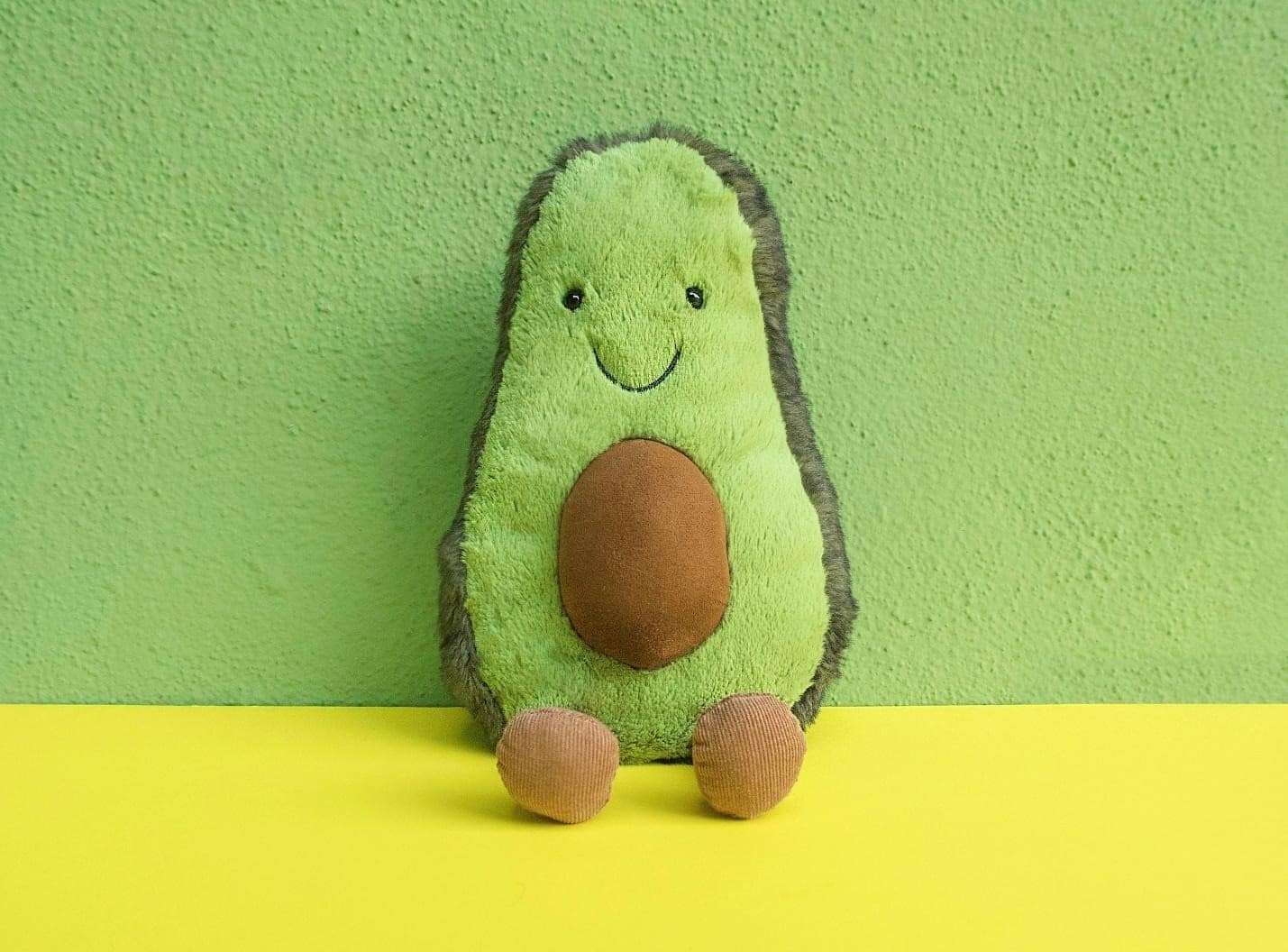
3. No Loose Threads
Loose threads may indicate that the plush material does not meet high-quality standards. Threads protruding from seams or fabric edges can indicate weak construction or poor finishing during manufacturing.
When checking the plush material, inspect the edges. High-quality plush materials are usually trimmed properly, leaving no loose threads behind. Loose threads may unravel, affecting the overall structure of the plush material.
4. Strong Seam Construction
Seam strength is one of the most important features of plush materials, as it enhances their durability. Seams are the places where two or more pieces of fabric are joined and, as such, must withstand regular handling, stretching, and pressure.
Normally, reinforced seams are used in high-quality plush products to provide additional reinforcement. This is to ensure the seams do not split or tear during repeated use.
To check seam strength, gently pull on both sides of the seam. A well-constructed seam should remain firm and stable, with no signs of separation. If the seam stretches too much or exposes the inside stitching, the seam may not be strong enough for long-term use.
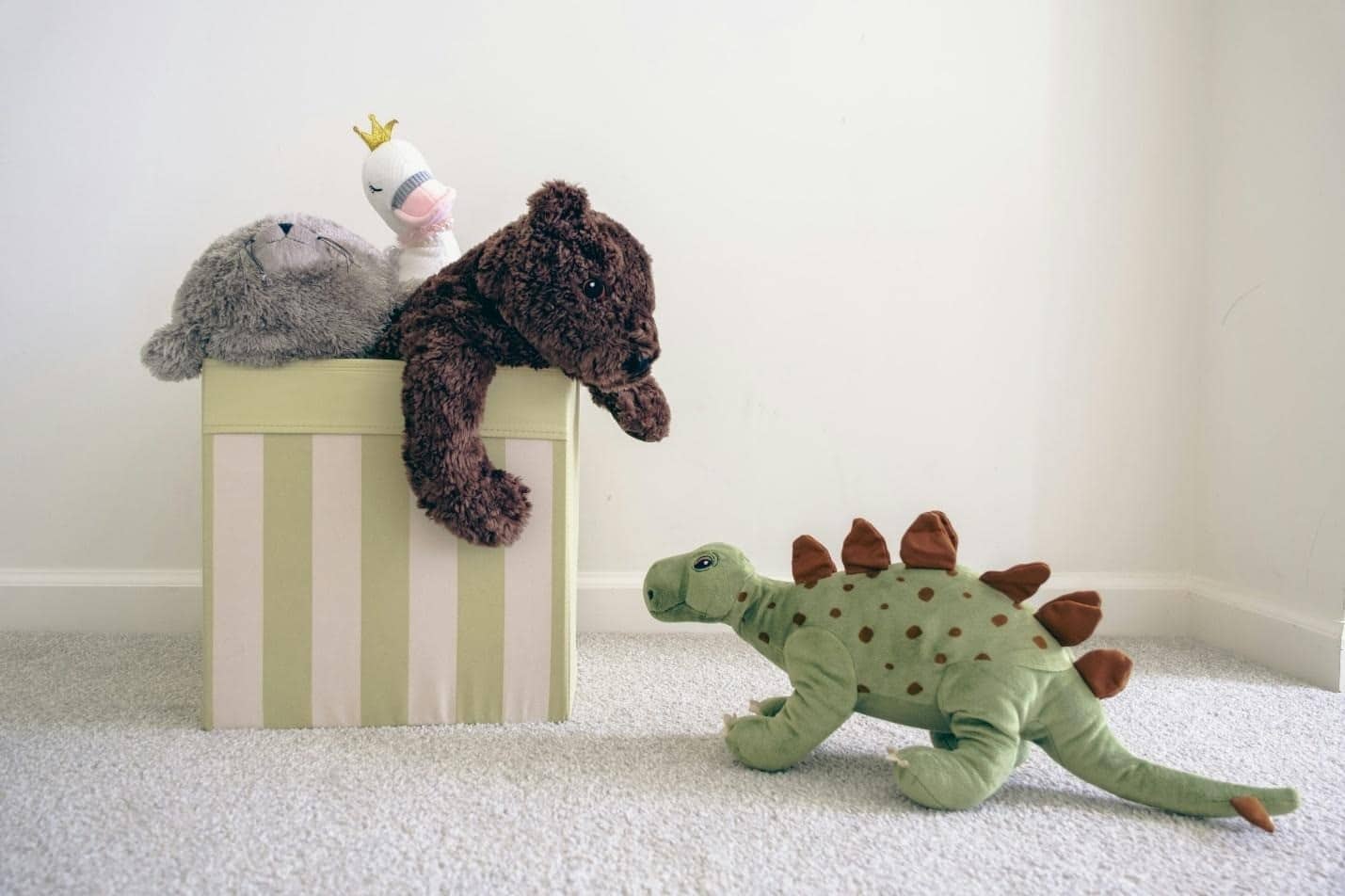
5. High-Grade Fabric
The quality of the fabric used in plush materials is very important in determining the plush’s overall quality. The high-grade fabrics are designed to promote comfort and durability with a lasting appearance.
One of the most commonly used plush fabrics is high-grade polyester plush, which often meets rigorous textile quality standards for safety and durability. This is due to the material’s comfort, elasticity, and durability. In addition, the material is easy to clean and maintain compared to other fabrics.
The high-grade fabric does not fade, shed, or matte. Likewise, the material does not change color or become uncomfortable after washing or prolonged use. Other fabrics may change their texture after a short time or become rough after use.
6. Consistent Pile Length
Pile length refers to the height and uniformity of the plush fibers on the surface of the fabric. Consistent pile length is an important sign of high-quality manufacturing because it ensures the material looks smooth and evenly textured.
In well-made plush fabrics, the fibers should be evenly distributed across the entire surface. There should be no areas where the pile appears noticeably shorter, longer, or uneven. Inconsistent pile length can make the fabric appear patchy and may indicate poor production techniques.
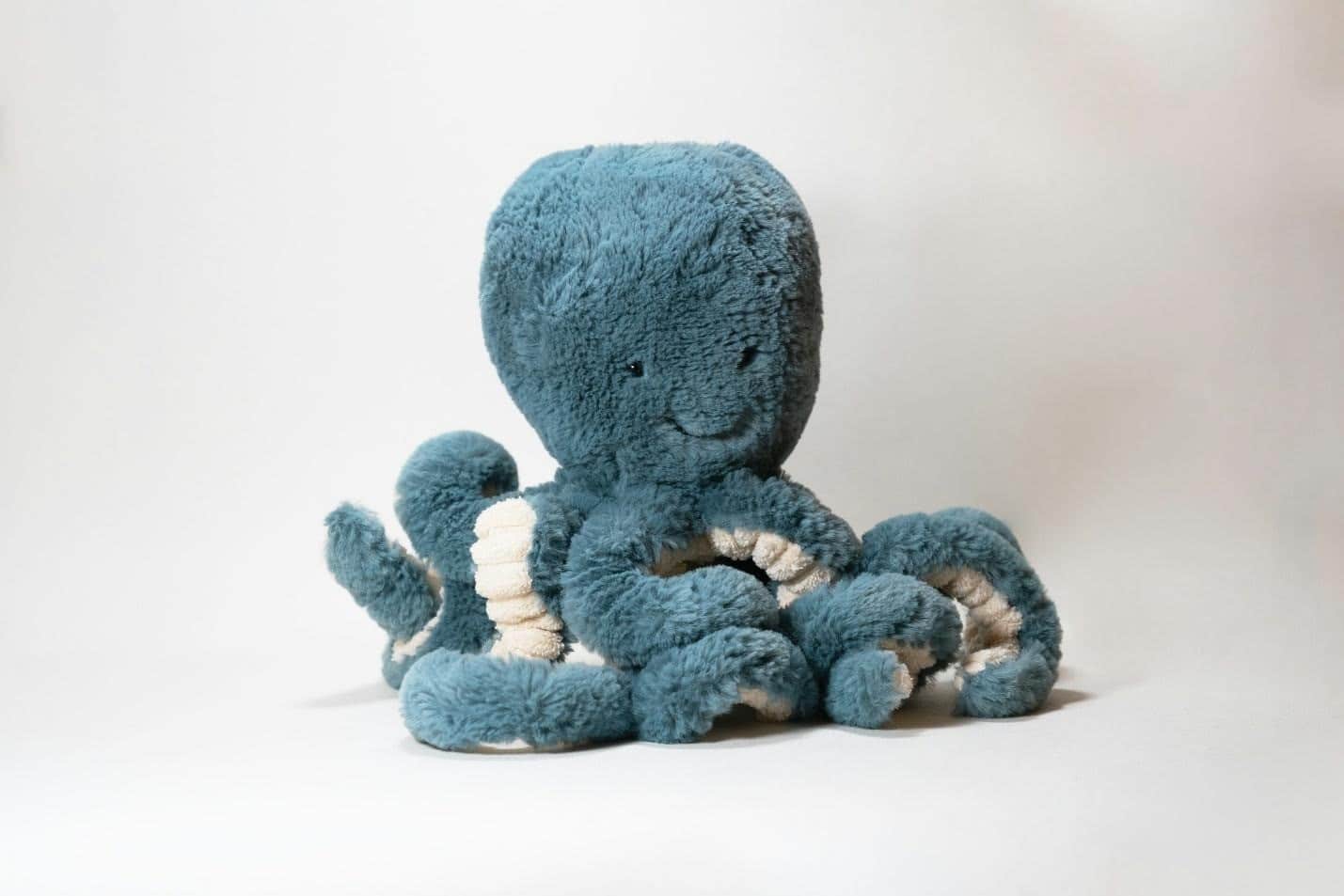
Final Thoughts
The ability to distinguish plush material from other materials will ensure correct purchasing decisions, thereby extending the lifespan of one’s products. This focus on longevity mirrors the benefits of choosing sustainable natural materials for the home. By paying attention to details, such as soft and dense texture, as well as pile length, one can separate high-quality plush materials from low-quality plush materials.
Besides comfort and aesthetic appeal, the plush material’s durability and longevity make it a long-lasting choice.
If you are looking for plush toys, blankets, and other materials, analyzing these characteristics will help ensure you purchase items of high quality and longevity.

