
Deciding on a major HVAC upgrade in 2026 involves more than just swapping out a failed compressor. The last two years have reshaped how contractors select equipment and how building operators mitigate operational risk. With the arrival of new refrigerant rules and rapid progress in heat pump rooftop units, the industry has shifted toward a proactive mindset. Smart controls now convert routine maintenance into predictive prevention, while modern ventilation strategies protect indoor air quality without inflating your monthly energy spend.
Prioritizing infrastructure health over short-term fixes allows property owners to stabilize utility costs and enhance occupant comfort simultaneously. Specific planning mindsets used to maximize efficiency in industrial thermal systems ensure that uptime is engineered into the budget from the very first day. For facilities that rely on forced-air distribution, Global Industrial duct heaters offer a practical solution for supplemental and primary heating within existing ductwork. Residential heat pump installations or commercial fleet management both share a common goal: building a system that balances peak performance with long-term reliability.
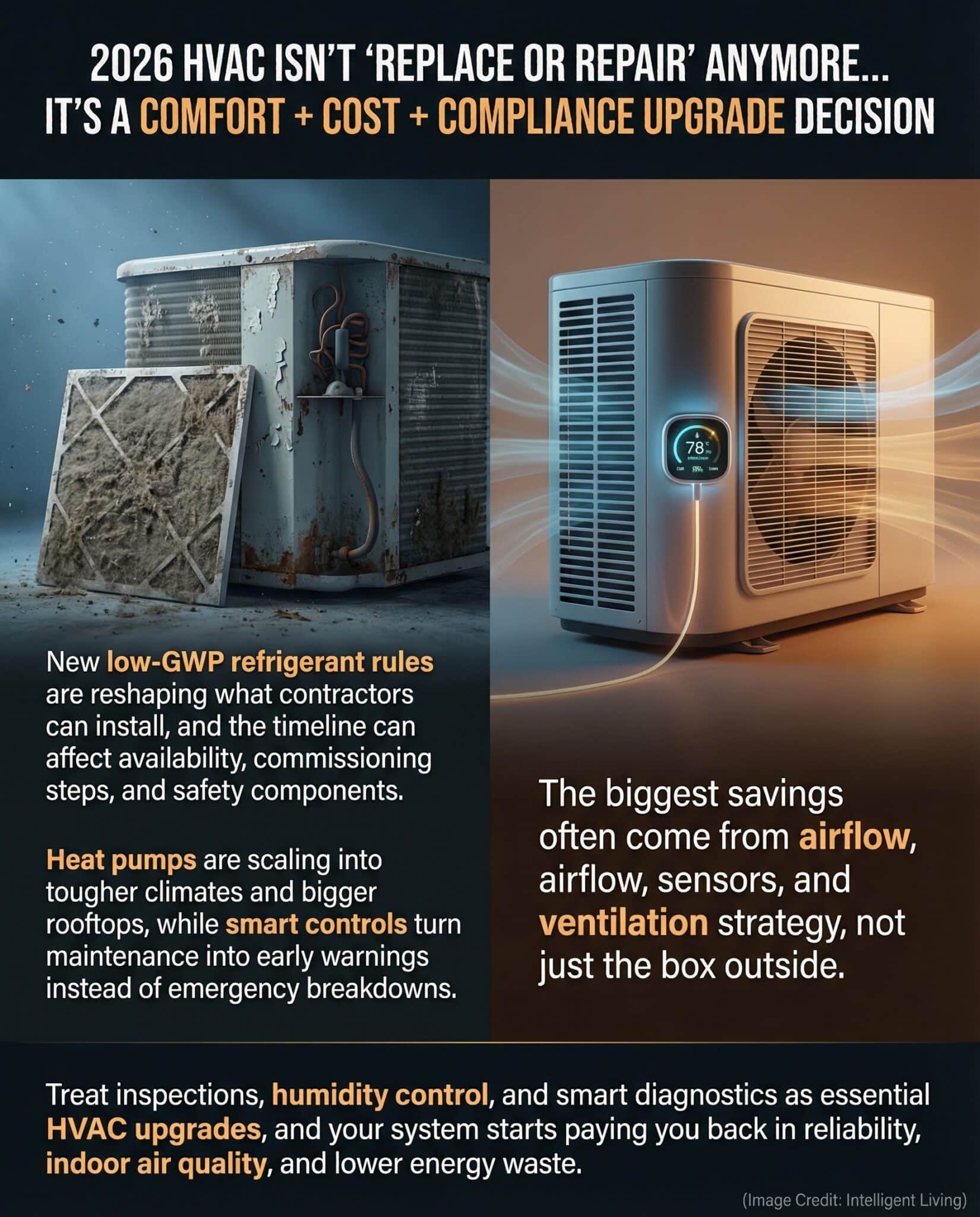
Core Insights: Essential HVAC Industry Shifts for 2026
- Refrigerant rules are changing which equipment lines get installed and how systems are commissioned.
- Heat pumps are scaling into bigger rooftop units, including designs meant to handle colder outdoor temperatures, a focus of the Residential Cold Climate Heat Pump Challenge.
- Building automation data is increasingly used to catch problems early, before comfort complaints or failures.
- Ventilation and humidity upgrades are moving from optional to expected, especially for humidity and temperature control in business environments where moisture swings can quietly raise risk and operating cost.
- Property owners often postpone full replacement because they recover major performance gains by calibrating system controls for peak airflow, then tightening maintenance.
The Refrigerant Reset: Why 2026 is a Turning Point
Regulatory change is the clearest reason equipment choices are shifting now.
Market conditions are shifting as manufacturers introduce low-GWP lines across multiple categories, affecting project timelines and component sourcing. The EPA Technology Transitions refrigerant restrictions are pushing new systems toward lower global warming potential refrigerants. Consequently, contractors are quoting updated equipment families even when a building’s layout has not changed.
What Owners Need to Know About A2L and Low-GWP Refrigerants
A2L-class refrigerants are part of the shift because they reduce climate impact compared with legacy HFC options. A2L is also a safety classification, and ASHRAE’s explanation of refrigerant designations and safety classifications helps translate what “mildly flammable” means in plain language and why proper installation practices matter.
Jurisdictions frequently align mechanical, fire, and building code language to support safe A2L adoption, which is why code changes addressing A2L refrigerants are showing up in permitting conversations even for routine replacements.
A common real-world moment occurs when a restaurant manager receives three quotes for a failed rooftop unit. While the only visible difference seems to be price, the contractor must explain why the refrigerant type changes sensor requirements, commissioning steps, and local permitting conversations.
How the Transition Affects Availability and Installation Cost
There are two practical effects. Product availability is currently shifting while manufacturers introduce low-GWP lines across multiple categories. Second, some projects can require additional commissioning or safety components such as leak detection, and updated refrigerant detection system requirements are part of the broader safety ecosystem for modern equipment.
Installation timing can also matter for certain equipment categories, especially when inventory and component manufacture dates affect what can be installed and when. The interim final rule clarifying installation timing for residential and light commercial systems is where those timing nuances are spelled out for the U.S. market.
A brief anecdote: A small restaurant manager described replacing a 12-year-old rooftop unit and learning during the bid process that the new equipment package required additional leak detection hardware. The surprise cost was manageable, but it highlighted how compliance details show up in day-to-day replacements.
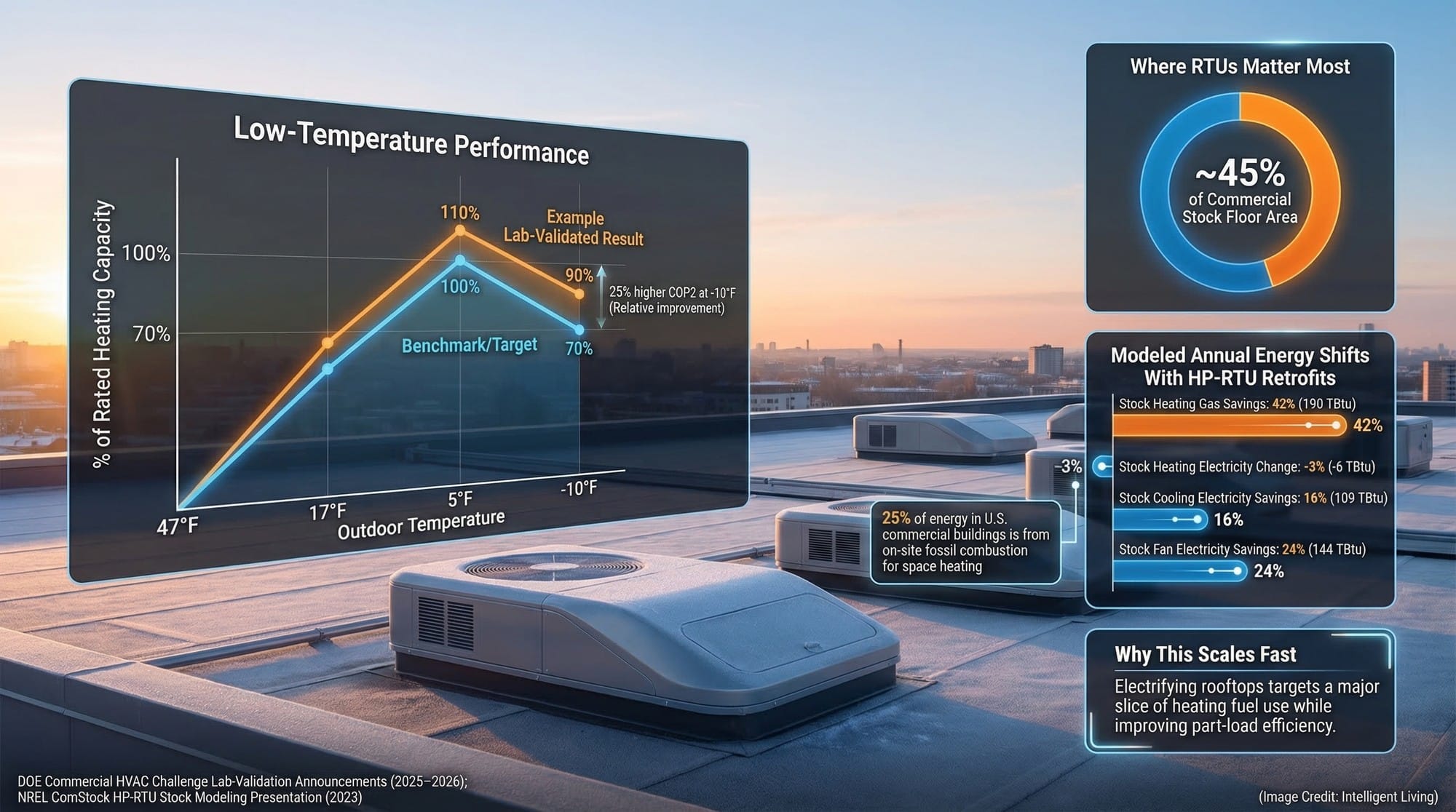
Scalable Heat Pump Installations for Commercial Buildings and Cold Climates
Heat pump technology is no longer confined to lightweight residential units. Manufacturers are scaling variable-capacity heat pump rooftop units and commercial-scale systems designed to perform better at low outdoor temperatures.
Integrating these systems provides both heating and cooling while allowing building owners to reduce fossil fuel dependence when paired with electric-ready infrastructure.
Where Heat Pumps Make the Most Sense Today
Adopting heat pump technology offers unique advantages for specific operational goals. Property managers find these systems particularly effective when addressing the following needs:
- Electrifying existing heating infrastructure
- Replacing aging dual-fuel systems
- Simplifying and standardizing rooftop fleets
Modernizing through these specific applications ensures a smoother transition to high-efficiency operations. The DOE Commercial Building HVAC Technology Challenge is one reason this market is moving faster, because it is designed to validate performance and reduce adoption friction across real rooftop unit categories.
What Homeowners Should Expect from Cold-Climate Heat Pumps
Modern residential heat pumps deliver significantly higher performance in freezing temperatures where previous iterations often failed. A modern heat pump can replace separate heating and cooling equipment, but it still depends on correct design and commissioning. Homeowners weighing higher-efficiency options often compare air-source systems with geothermal heat pump installations that use stable ground temperatures for year-round efficiency, especially when long-term operating cost is the priority.
Cold-climate performance is becoming easier to verify with published test and field data. In technical reporting such as performance results from DOE cold-climate heat pump field work, the emphasis is on measured heating capacity and efficiency in real homes, not just lab curves.
A relatable example: A homeowner in a northern suburb replaced a furnace and central air in one project, then discovered that the real comfort improvement came from correct airflow setup and better part-load control, not just the brand on the outdoor unit.
In many regions, part of the appeal is climate impact, as shifting from fossil fuel furnaces to heat pump technology often reduces overall emissions depending on the local fuel mix.
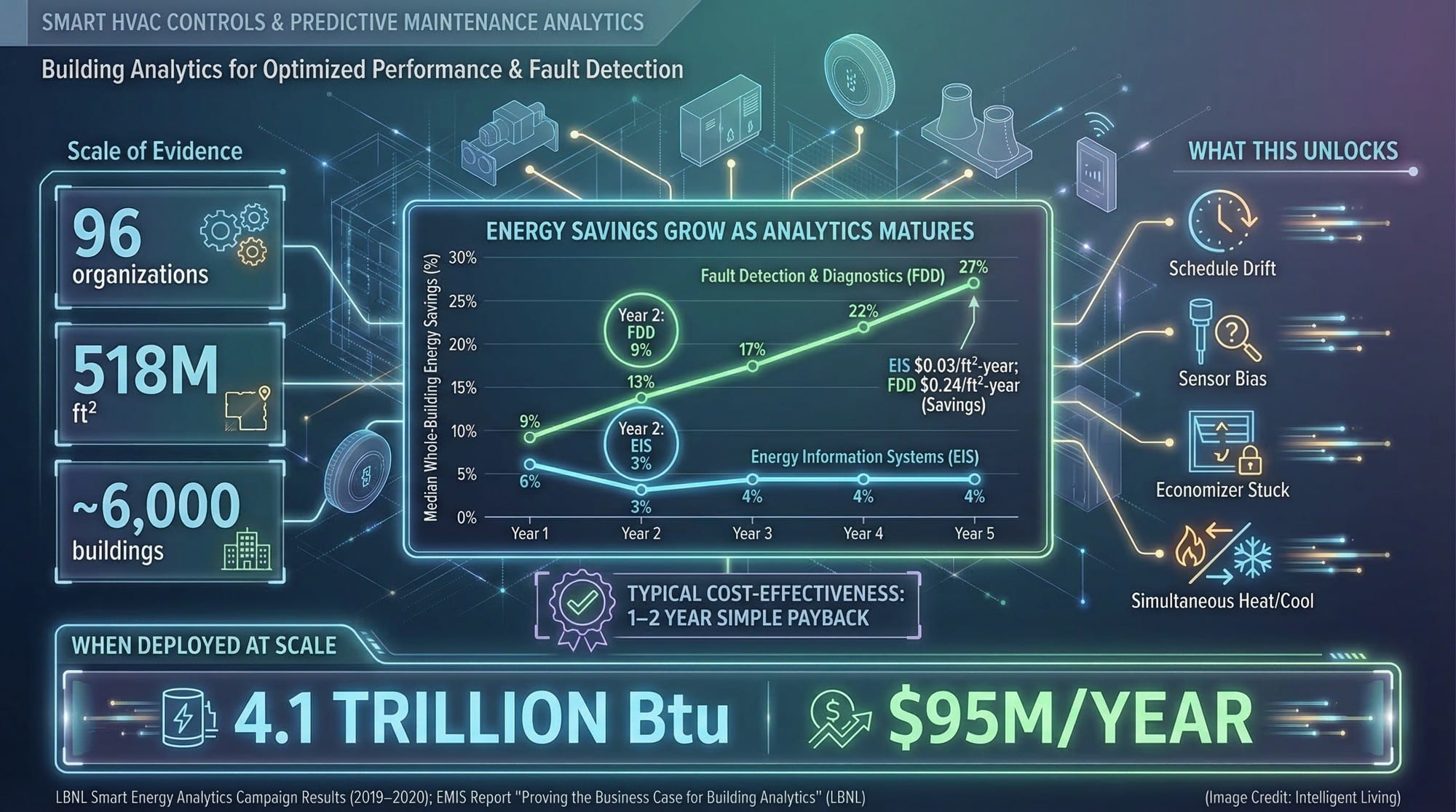
HVAC Becomes a Data System: Smarter Controls and Predictive Maintenance
One of the largest near-term returns comes from controls upgrades and diagnostics. Rather than waiting for visible failure signals, building automation data can flag inefficiencies early.
Portfolio operators often adopt this approach through the Commercial Building HVAC Accelerator. This program emphasizes scalable upgrades such as advanced rooftop unit controls and diagnostic workflows.
The DOE overview of fault detection and diagnostics methods explains why “maintenance” increasingly means catching drift in sensors, sequences, and performance before it becomes comfort loss or equipment damage.
How Fault Detection and Diagnostics (FDD) Transforms HVAC Service
FDD systems analyze sensor trends, runtime behavior, and control logic to spot anomalies. A routine that once meant calendar-based service becomes condition-based: the system flags a drifting temperature sensor, an economizer that is stuck, or a fan schedule that wastes energy, and a work order happens before tenants notice.
Primary Action Steps for Commercial Building Operators
Efficiency gains typically begin with a comprehensive controls audit and trend review to identify hidden performance gaps. Validating sensor placement, checking calibration, and reviewing runtime patterns can reveal issues that look like “old equipment” but are really control faults. For this reason, how contractors evaluate system runtime and cycling patterns has become a core part of troubleshooting when complaints show up as hot spots, short cycling, or inconsistent humidity.
Systems already upgrading hardware find the control layer matters even more. Smart sensors and control valves that prevent over-conditioning often decide whether efficiency shows up as real utility savings or stays stuck on paper.
A story: A small office building avoided a costly mid-summer failure after a trend alarm flagged a slowly worsening performance curve. A quick service visit found a minor issue that restored capacity and prevented an emergency shutdown.
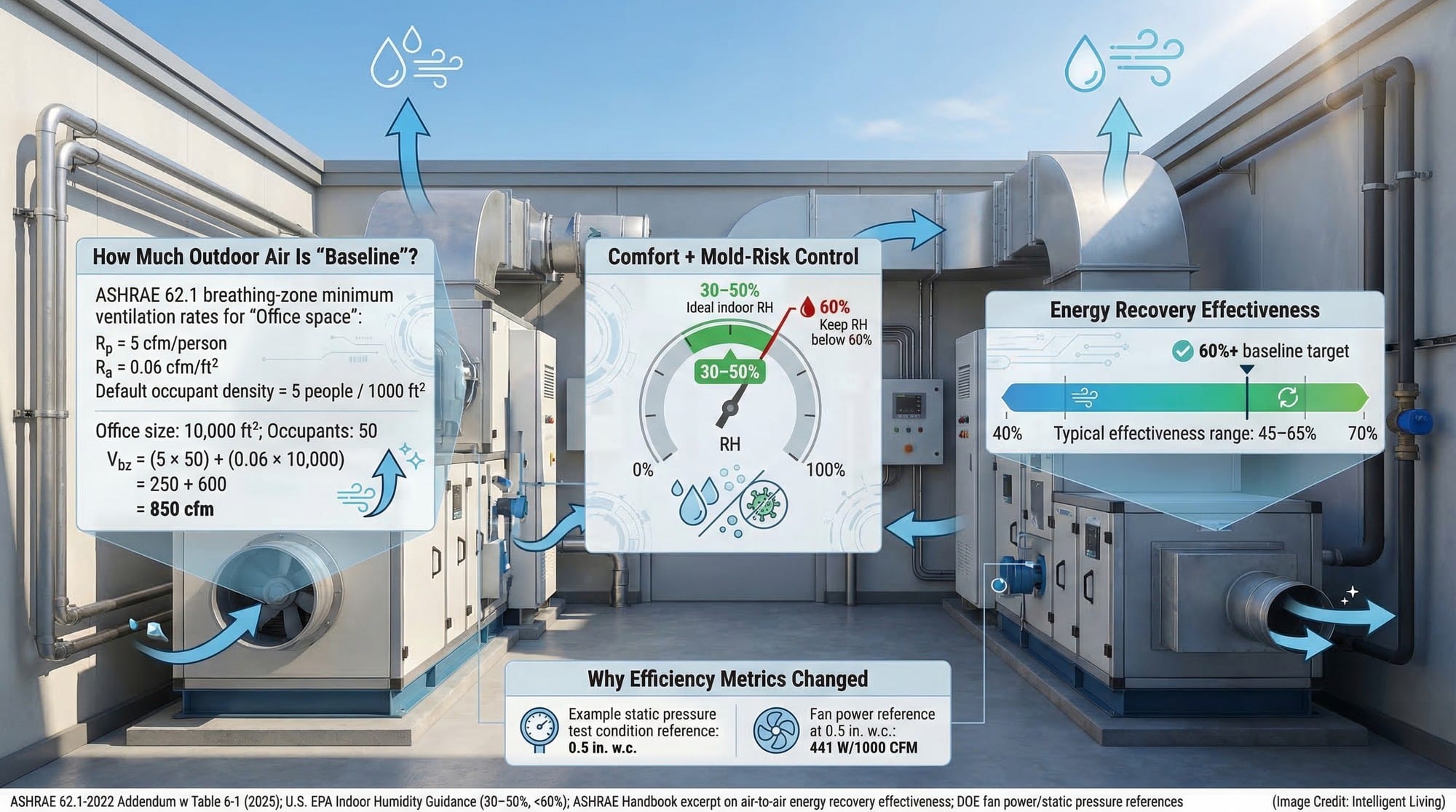
Fresh Air Without the Energy Penalty: Ventilation, Humidity Control, and the New Efficiency Baseline
Better ventilation is non-negotiable for many buildings now, but bringing in more outdoor air can raise energy use if it is not designed carefully. The ASHRAE 62.1 and 62.2 ventilation standards are commonly used as a baseline for acceptable indoor air quality targets, and the EPA indoor air quality guidance on ventilation and pollutant dilution summarizes why ventilation and filtration work together.
Indoor air quality also has a performance dimension that building owners feel quickly. In workplace contexts, the measurable link between air quality and employee productivity often moves ventilation upgrades from “nice to have” into operational planning.
The Operational Advantages of ERV and DOAS Technology
Air-to-air energy recovery ventilators, often called ERVs, transfer heat and moisture between exhaust and incoming air so outdoor air does not arrive as a full energy penalty. Dedicated outdoor air systems, or DOAS, separate ventilation from space conditioning so airflow and humidity control can be handled more precisely.
The efficiency conversation also changed in recent years. AHRI’s explanation of SEER2 and HSPF2 efficiency metrics matters here because ventilation strategies are easier to justify when equipment performance is measured in conditions closer to real-world duct pressure and airflow.
Managing Humidity for Enhanced Comfort and Operational Risk Mitigation
Moisture issues often mask comfort problems in mixed-humid climates, forcing systems into extended runtimes that degrade indoor air quality and escalate energy waste.
Selecting an optimal MERV rating for commercial filtration is critical to prevent situations where higher-efficiency filters quietly increase static pressure and reduce system performance.
Minimal anecdote: A boutique hotel manager traced a lingering damp smell to a ventilation imbalance and moisture control issue. After tuning airflow and adding energy recovery, guest complaints dropped without a noticeable increase in energy cost.
For homeowners dealing with dust and allergy complaints, comfort can improve when the system’s physical condition matches the design intent, particularly through repairs that eliminate dust and airborne allergens by restoring proper filtration.

Should You Upgrade? A Fast Decision Guide for Homes Versus Businesses
Deciding whether to upgrade depends on system age, performance, risk profile, and the cost of downtime.
Primary Residential HVAC Replacement Indicators
Full replacement becomes necessary as systems approach their operational limits or when routine mechanical repairs no longer lower energy bills or stabilize monthly costs. Replacement tends to make sense when the system is near the end of its useful life, when repair costs stack up, or when comfort and humidity problems persist after basic maintenance.
Upgrades often occur because owners want tangible ways to lower a home’s carbon footprint through high-efficiency infrastructure. This involves right-sized equipment, better controls, and lower wasted runtime.
A common voice-search moment is ‘why is one room always hotter than the rest.’ The answer often involves airflow, duct leakage, or sensor placement.
When these issues occur alongside frequent service calls, it is a red flag. Frequent repairs and rising bills can signal it is time to replace an air conditioner, helping you separate short-term fixes from long-term planning.
Commercial HVAC Replacement Drivers and Downtime Considerations
Determining the right upgrade path requires businesses to evaluate downtime risk, tenant expectations, and emerging regulatory requirements. High-impact industries that see the greatest value in early upgrades include:
- Retailers and hospitality groups
- Healthcare providers and clinics
- Restaurants and food service
- Data-sensitive operations
Disruptions in these sectors are expensive, and frequent comfort complaints quickly erode customer trust. Strategic procurement combined with long-term commercial climate planning helps reduce downtime risk across multiple sites.
Practical vignette: A franchise operator phased rooftop replacements over three years and standardized controls on each site. Fewer emergency calls followed because the same diagnostics and sequences applied everywhere.

Proactive Maintenance Schedules for Sustained HVAC Lifecycle Performance
Modern HVAC returns require modern maintenance. The right cadence differs for homes and commercial facilities, but the principles are the same: restore airflow, verify controls, and confirm performance before each peak season.
Maintaining a home system requires a consistent approach to prevent peak-season failures. Effective homeowner protocols involve the following recurring steps:
Essential Residential Maintenance Protocols
- Seasonal filter checks and replacement timing based on dust load, pets, and allergy needs.
- A pre-season tune-up that verifies refrigerant charge, electrical connections, coil cleanliness, and drain-line condition.
- Immediate service if cycling behavior changes, humidity swings appear, or a room-to-room imbalance becomes consistent.
A practical baseline for homeowners is the ENERGY STAR HVAC maintenance checklist, but comfort problems often require a deeper look at measurements, not just parts swapping.
To reduce breakdown risk, standard maintenance for cooling coils and drain lines should match the climate and the home’s usage pattern. Utilizing a comprehensive summer maintenance checklist helps homeowners catch comfort and safety issues before the first major heat wave hits.
Standardized Commercial Maintenance and Inspection Cadence
Commercial buildings benefit from a documented inspection and maintenance program that tracks conditions over time. Facilities frequently translate ASHRAE/ACCA Standard 180 maintenance practices for commercial buildings into site-specific checklists, including quarterly filter and belt checks, economizer verification, sensor spot-calibration, and seasonal functional testing.
In practice, the most reliable operators pair the schedule with targeted inspections that catch small faults. This is the logic behind using professional inspections to detect performance drift before it becomes a costly mechanical failure, especially in multi-tenant buildings where issues multiply fast.
Short anecdote: A property manager who added trend reviews to a standard quarterly visit saw recurring tenant complaints drop within a year because issues were corrected before comfort drift became visible.
A Professional Contractor Vetting Checklist: 10 Critical Questions
- What refrigerant will the new system use, and what safety components or commissioning steps does that choice require?
- Will this project require additional leak detection, ventilation changes, or electrical upgrades?
- How will commissioning be documented, including airflow verification and refrigerant charge checks?
- How do you confirm economizer, ventilation, and humidity sequences operate correctly after installation?
- Do you support fault detection and diagnostics, or will analytics be handled through building automation tools?
- What lifecycle cost assumptions are you using for our climate and operating schedule?
- How will airflow be balanced so room-to-room comfort is stable, not just acceptable on day one?
- What is the plan for parts availability and response time during peak season?
- Which rebates or incentive programs apply, and what paperwork is required for eligibility?
- How do you prevent control errors caused by poor sensor placement, including locating thermostats away from sunlit walls or drafty hallways during the walkthrough and startup checks?
Using this checklist ensures that your contractor prioritizes long-term performance over a fast installation.
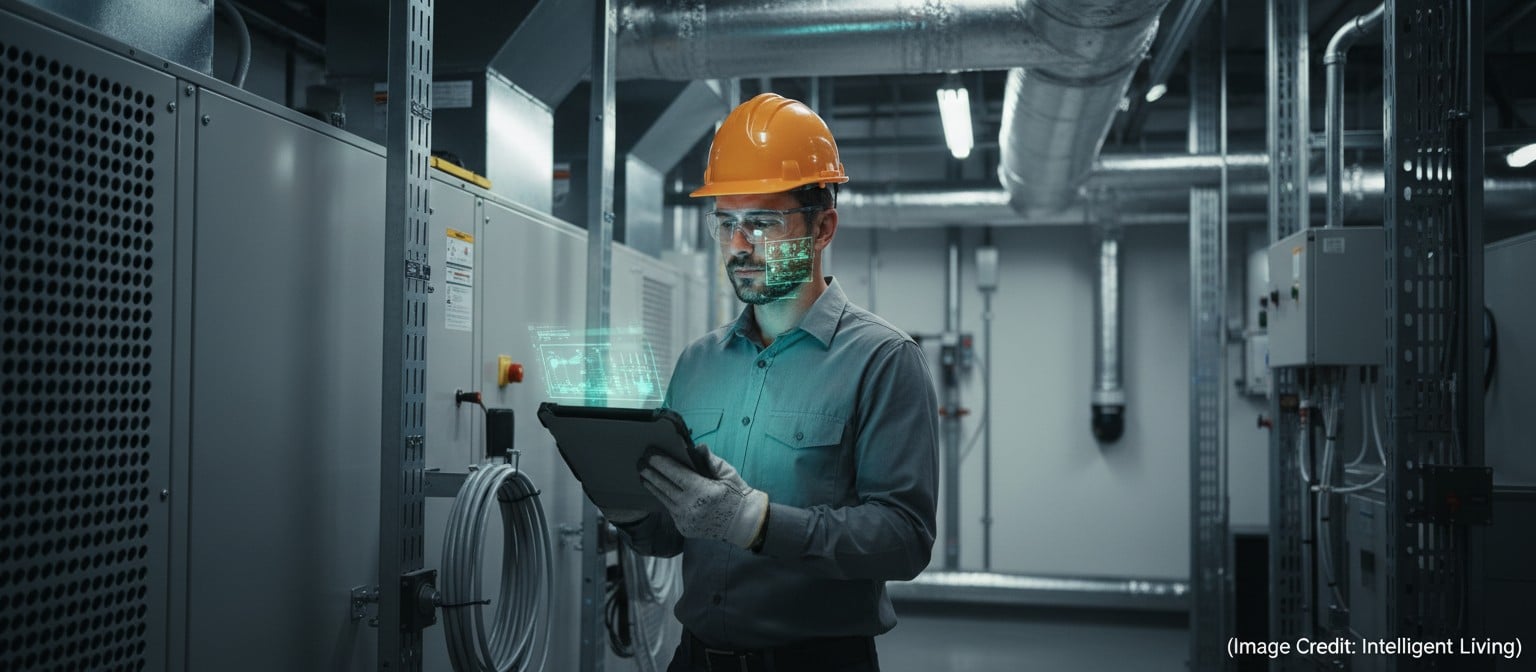
Maximizing ROI with Strategic HVAC Upgrades in 2026
Logical planning begins with comprehensive inspections that prioritize precise airflow measurement and rigorous controls audits. While replacing aging equipment is often the right move for electrification plans or failing units, the hardware alone isn’t a silver bullet. Real success depends on the synergy between high-efficiency components and the rigorous commissioning processes that ensure they operate as intended.
Realizing long-term savings requires pairing state-of-the-art installations with a maintenance program tailored to the 2026 technical landscape. Predictive data, low-GWP refrigerant compliance, and advanced heat pump rooftops provide a robust foundation for building comfort and efficiency. Prioritizing infrastructure health over quick fixes allows property owners to stabilize utility costs and improve occupant health simultaneously. Your HVAC system is no longer just a utility; it is a critical asset that, when managed correctly, pays dividends in both reliability and sustainability.
Essential Answers: 2026 HVAC Upgrade FAQ
Q: Are A2L refrigerants safe for residential use?
A2L-class refrigerants are classified as mildly flammable, but they remain extremely safe when handled by certified professionals. Specialized equipment design and strict adherence to local building codes during installation guarantee safe outcomes.
Q: How often should a commercial building perform a controls audit?
Schedule a comprehensive audit at least once per year. Quarterly trend reviews for businesses with critical cooling needs allow you to catch performance drift before it leads to a total system failure.
Q: Do ERVs significantly increase monthly energy costs?
ERVs actually reduce the energy penalty of high ventilation rates. Reclaiming heat and moisture from exhaust air makes these systems a cornerstone of efficient building design.
Q: Are cold-climate heat pumps effective in freezing temperatures?
Modern heat pump technology provides consistent warmth even in extreme cold. Correct sizing and professional commissioning ensure the system runs within its optimal range.
Q: Can smart sensors really lower my commercial energy bills?
Yes. Preventing over-conditioning and optimizing fan speeds based on real-time occupancy data turns your HVAC system into a precise, cost-saving data network.


