
A mega-collaboration involving more than 200 leading health journals from all over the world highlights the urgency for world leaders to take emergency action against climate change and unsustainable practices. They all published the same editorial calling for a limit on global temperature rise and a halt on the destruction of nature to protect the health of humanity. This is the first time that so many journals have come together to make a statement simultaneously. It dramatically reflects the severity of our situation and how severe the climate change emergency is.
The editorial stresses that recent targets to reduce emissions and protect biodiversity aren’t enough, albeit welcome, and are yet to be accompanied by credible long- and short-term plans. Targets are easy to set but hard to achieve. The statement is essentially a cry of desperation for countries to honor the goals of the Paris Agreement and deliver detailed and ambitious climate plans. (The Paris Agreement is the international treaty adopted by 195 countries in 2015.)
The authors write:
As health professionals, we must do all we can to aid the transition to a sustainable, fairer, resilient, and healthier world. We, as editors of health journals, call for governments and other leaders to act, marking 2021 as the year that the world finally changes course.

Health journals and professionals have warned us for decades of climate change and environmental destruction’s growing negative impact on health. These include destructive weather events that directly injure individuals, extreme temperatures and pollution, and the widespread degradation of essential ecosystems – which introduces new diseases to humans, eliminates valuable resources for life-saving medicines, and erodes water and food security. These and all other impacts disproportionately affect the most vulnerable of our societies, including older adults and children, poorer communities and ethnic minorities, and those with underlying health conditions.
Therefore, the editorial urges governmental intervention to transform our currently unsustainable societies and economies. For example, it suggests that governments support the redesign of cities; their transportation systems, production and distribution of food, health systems, and markets for financial investments. They do acknowledge that this will require substantial investments. However, they stress that doing so will also have massive positive health and economic benefits, including reduced air pollution, improved housing and diet, high-quality jobs, and increased physical activity.
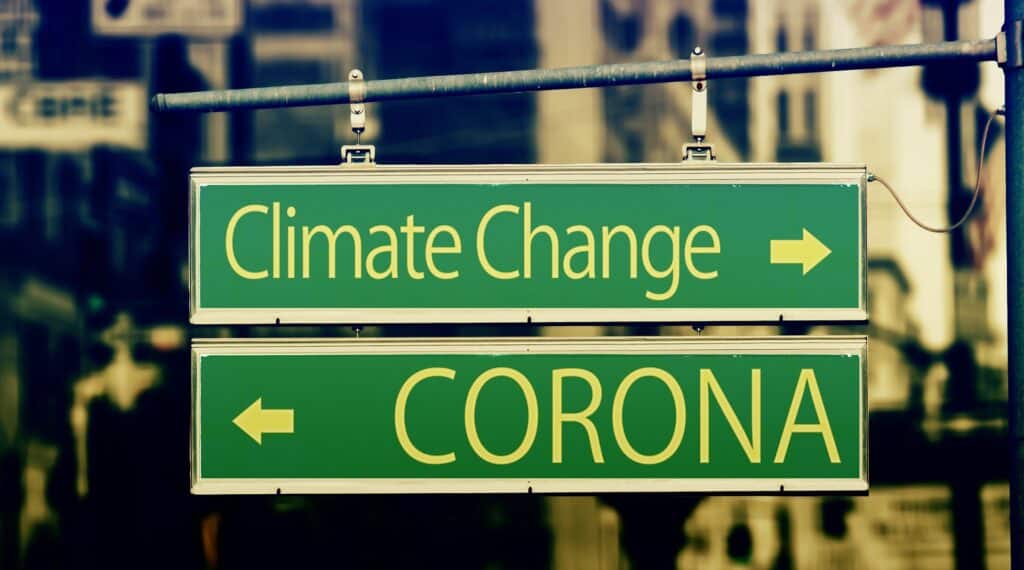
This environmental crisis demands as much of an emergency response as many governments have given to the COVID-19 pandemic. In the past months, we’ve seen nations tackle the threat of the coronavirus with unprecedented funding. But, unfortunately, no government is delivering or even considering efforts and investments as grand, despite the massive positive health and economic outcomes that would follow. Better air quality alone would offset the global costs of emissions reductions with healthcare savings.
Dr. Fiona Godlee, The BMJ’s Editor-in-Chief and one of the co-authors of the editorial, said:
Health professionals have been on the frontline of the COVID-19 crisis, and they are united in warning that going above 1.5C and allowing the continued destruction of nature will bring the next, far deadlier crisis. Wealthier nations must act faster and do more to support those countries already suffering under higher temperatures. 2021 has to be the year the world changes course — our health depends on it.
If the temperature increases more than 1.5°C hotter than pre-industrial times, the chances of reaching tipping points in natural ecosystems become substantial. If they happen, it could lock the world in an unstable state that would critically impair our ability to prevent catastrophic, runaway environmental change and mitigate harm.
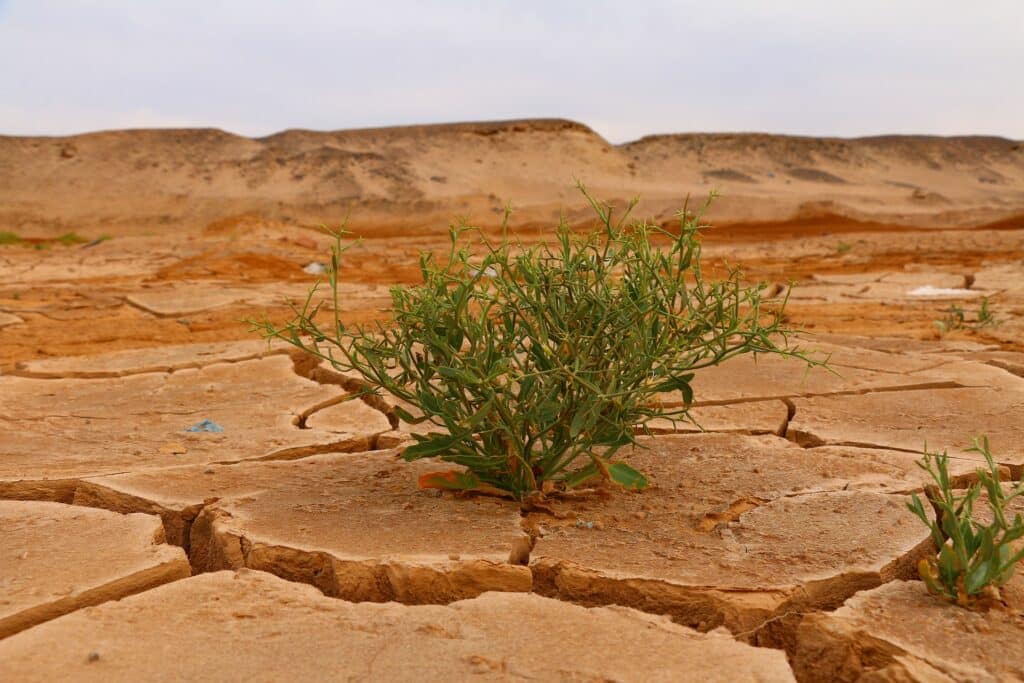
The authors note that cooperation depends on wealthy nations doing more. However, it only means that the countries that have disproportionately caused the environmental crisis should support the low- and middle-income countries (which have contributed the least to the problem) to establish healthier, cleaner, and more resilient societies for the betterment of all. Unfortunately, we are globally as strong as our weakest member. No country can shield itself from the dangers to come, no matter how wealthy.
Eye Abimbola, BMJ Global Health’s Editor-in-Chief, said:
What we must do to tackle pandemics, health inequities, and climate change is the same – global solidarity and action that recognize that within and across nations, our destinies are inextricably linked, just as human health is inextricably linked to the health of the planet.
There is no safe amount of temperature rise, so the faster we act, the better. Heat-related mortality in the past two decades has increased by over 50% among people aged over 65. Furthermore, the World Health Organization (WHO) expects an additional 250,000 deaths annually between 2030 and 2050 from climate change-related heat stress, malnutrition, diarrhea, and malaria.
Below are various ways climate change poses a risk to human health by causing or exasperating existing conditions.
Heat Exposure
Prolonged exposure to extreme temperatures can cause:
- Heat exhaustion
- Heatstroke
- Muscle cramps
- Worsening of existing respiratory, heart, and other conditions
- Increased dehydration and renal function loss
- Dermatological malignancies
- Death
Extreme Weather
Hot, dry conditions and droughts increase the chances of extreme weather conditions, including:
- Wildfires
- Dust storms
- Reduced quality of air
- A decrease in water supply and quality
- Lack of food
All of these factors can result in:
- Burns
- Injury
- Respiratory problems from smoke exposure
- Increased risk of infections
- Malnutrition
- Death

Natural disasters and extreme weather incidents, such as storms and floods, disrupt food systems, inflict injury, and result in premature deaths. For example, the Centers for Disease Control & Prevention (CDC) reported that flooding alone kills approximately 98 people annually in the United States. However, drowning and injury from damaged buildings aren’t the only ways people die from flooding events either. Other non-immediate flooding risks include:
- Mold, which can reduce indoor air quality
- An increase in respiratory diseases caused by living in damp environments
- Exposure to toxic chemicals in runoff
- Heat- and weather-related conditions
- Displacement and homelessness, which can affect mental and physical health
Danger Zones

Some areas exhibit a higher risk than others to the effects of climate change. For example, coastal regions are prone to flooding from rising sea levels, threatening freshwater supplies. Also, inhabitants of low-lying areas are at risk of sicknesses if the city sewage systems overflow during a severe storm. Other high-risk areas include:
- Mountainous regions
- Polar regions
- Small islands
- Megacities
- Countries with a lack of healthcare facilities
- Developing countries
Mental Health
Damage to infrastructure, like one’s home, can cause long-term setbacks to well-being. Furthermore, climate change undermines people’s livelihoods and equal access to health care and other social support structures. Floods, heatwaves, droughts, and vicious storms traumatize people, leading to mental health issues like depression and anxiety. Additionally, people may undergo injury, displacement, the loss of their home, business, possessions, and loved ones. Resultantly, many people turn to suicide. According to the CDC, even extreme heat alone increases suicide rates.
Meanwhile, even those unaffected by any such situation may feel despair and anxiety over concerns about the effects of climate change.
Infectious Diseases
According to the WHO, there’s a high chance of increasing insect-transmitted infections and waterborne diseases as climate change worsens. In addition, the seasons during which insects transmit infections could become longer, expanding the area where they occur. Meaning, regions currently not at risk may become water- and insect-borne disease zones.
For example, changes in rainfall patterns can lead to waterborne diseases that cause diarrhea. Then, combine that extra rain with hotter days and higher humidity, and you get more ticks, which spread the infectious illness Lyme disease. In addition, more rain increases fungi, mold, and indoor air pollutants.
Air Pollution
Air pollution, such as high levels of dust, fine particles, and ozone, can reduce air quality and exacerbate or cause various respiratory and cardiovascular issues, including:
- Coughing and irritation of the throat
- Inflammation of the lungs
- Chronic obstructive pulmonary disease (COPD)
- Risk of lung cancer
- Asthma
- Chest pain
- Heart attacks
- Airway congestion
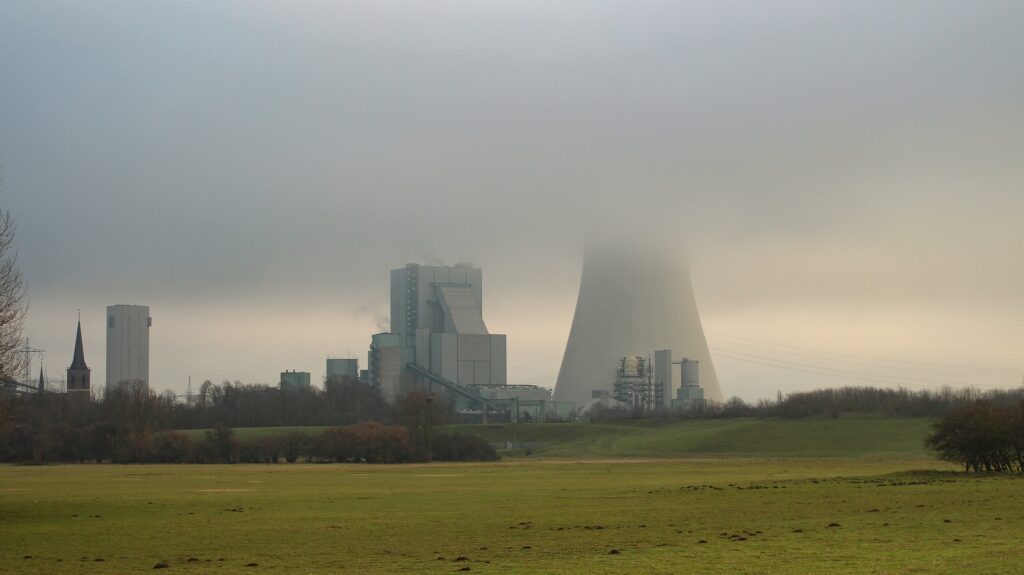
Professor Alan Smyth, Thorax’s Joint Editor-in-Chief, said:
Global warming affects the future of our planet, and right now, it is affecting the lung health of all of its inhabitants across all ages, from young to old.
Allergens
Furthermore, prolonged heat can result in longer allergy seasons because warmer temperatures lead to increased pollen production and higher carbon dioxide levels to higher levels of plant allergens. As a result, people may experience:
- Increased sensitivity to allergens
- Indoor dampness-induced breathing problems (from fungi and mold due to rain and warm weather)
- More prolonged or more frequent bouts of acute asthma
- Worsening of other respiratory conditions
Pregnancy Complications
Toxins in food and water can cause health issues in a developing fetus. For example, climate change causes harmful algal blooms that increase the biotoxins in seafood. Contaminated seafood (like fish with high levels of heavy metals such as lead and mercury) can reduce IQ in a developing fetus. Plus, a recent study found that air pollution gets into fetal placenta.
Food Security

Weather changes affect crops and, therefore, food production, resulting in a rise in prices that may cause people to adopt less healthful diets or go hungry. Poor diets can lead to obesity and malnutrition. In addition, experts from the CDC say that increased carbon dioxide levels in the atmosphere and fluctuations in the nutrients in the soil may lower the nutritional value of many crops. Also, the global yield for major crops has fallen by 1.8-5.6% since 1981 due to global warming.
Meanwhile, farmers may be forced to use greater amounts of pesticides and herbicides because climate change will likely cause an increase in pests and weeds. Unfortunately, these chemicals are toxic to those who have to handle them, and potentially, consumers that buy and eat the produce. Furthermore, farmers and construction workers are increasingly at risk of additional occupational hazards, such as heatstroke and disease-carrying insects.
In Conclusion
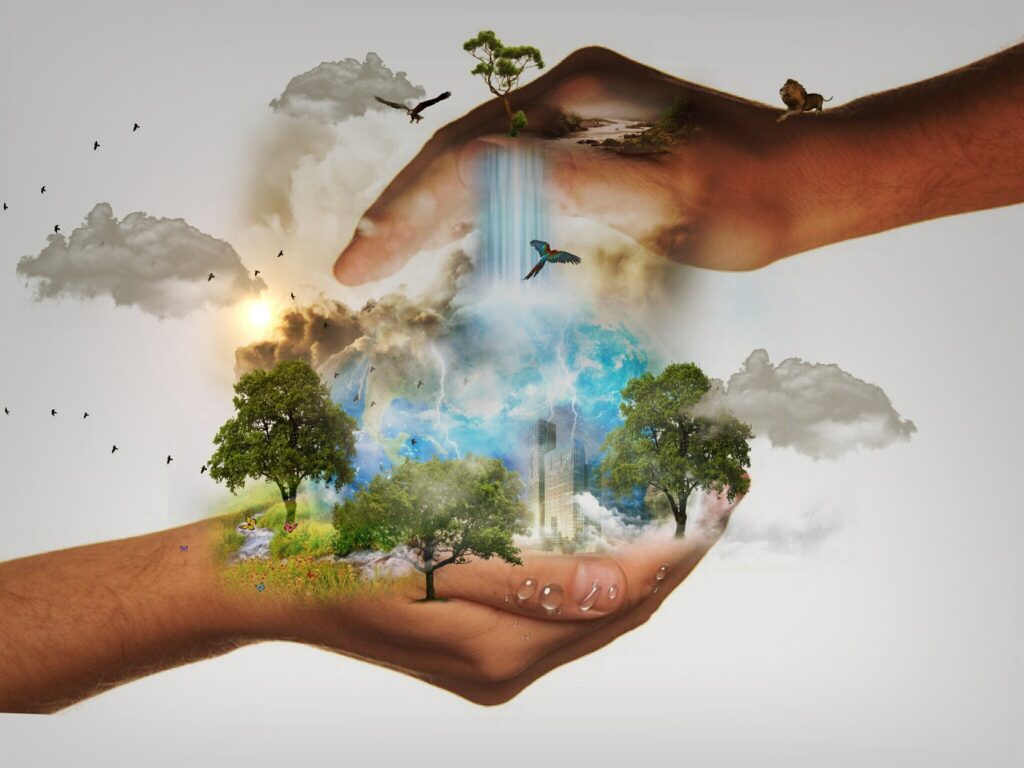
There are many more climate-related problems than those listed above, but all of them can be limited by doing one thing: addressing climate change.
The authors conclude:
Concern is growing that temperature rises above 1.5°C are beginning to be seen as inevitable, or even acceptable, to influential members of the global community. Relatedly, current strategies for reducing emissions to net-zero by the middle of the century implausibly assume that the world will acquire excellent capabilities to remove greenhouse gases from the atmosphere.
This insufficient action means that temperature increases are likely to be well in excess of 2°C, a catastrophic outcome for health and environmental stability. Critically, the destruction of nature does not have parity of esteem with the climate element of the crisis, and every single global target to restore biodiversity loss by 2020 was missed. This is an overall environmental crisis.
The greatest threat to global public health is the continued failure of world leaders to keep the global temperature rise below 1.5°C and to restore nature. Urgent, society-wide changes must be made and will lead to a fairer and healthier world. Health professionals are united with environmental scientists, businesses, and many others in rejecting that this outcome is inevitable. More can and must be done now—in Glasgow and Kunming—and in the immediate years that follow.
Hopefully, this editorial makes an impression on world leaders because each day that passes, we are one day closer to doom.


